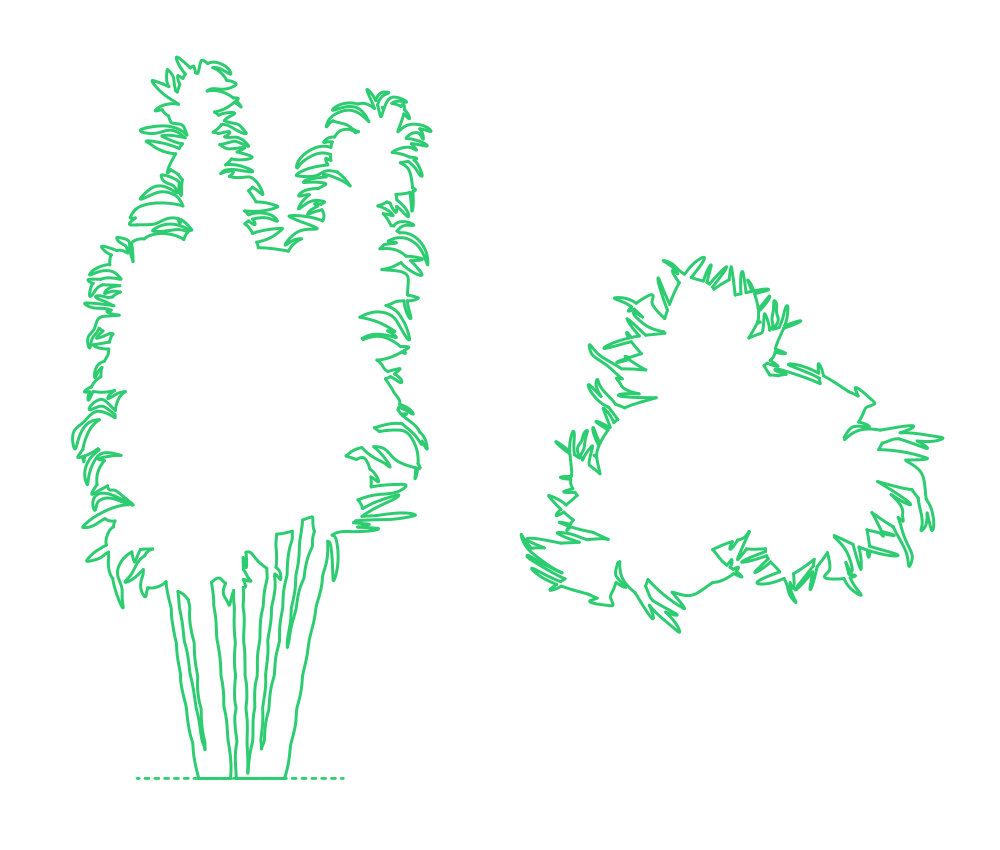
Buddha Belly Bamboo (Group) (Bambusa ventricosa)
Buddha Belly Bamboo (Group) (Bambusa ventricosa)
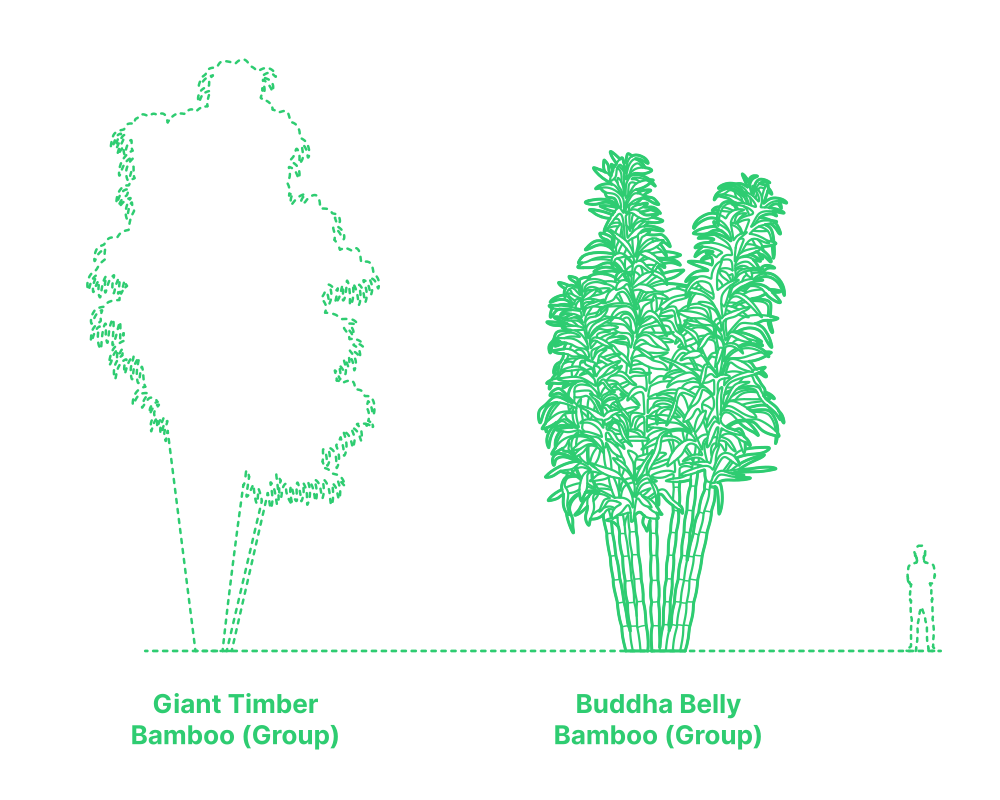
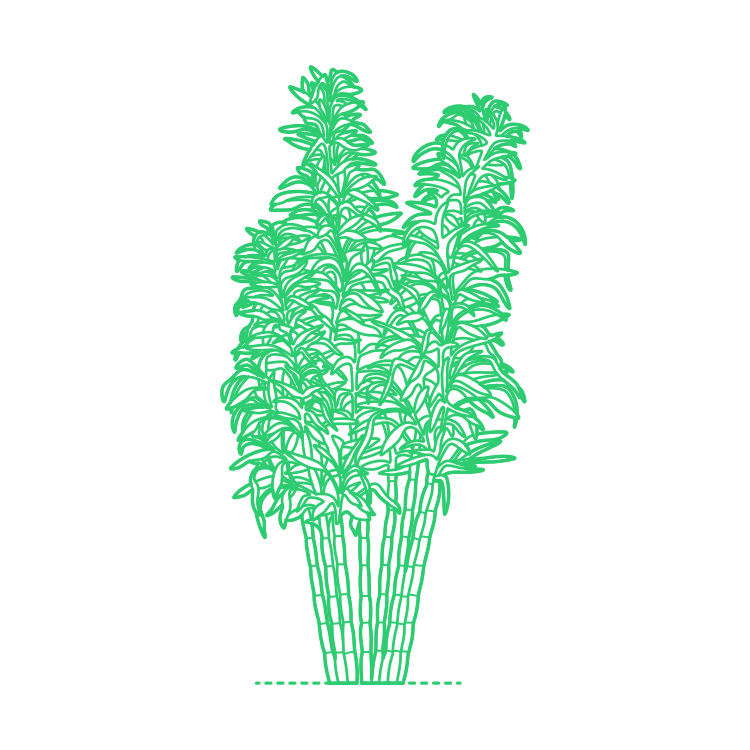
Buddha belly bamboo (Bambusa ventricosa) in a group form is characterized by clustered, upright culms with swollen internodes that create a distinctive irregular profile. Multiple culms emerge closely together from a shared base, forming a compact clump with strong vertical presence. The bulging segments vary in prominence, giving the group a sculptural and rhythmic appearance. Leaves are narrow and abundant, forming dense tufts along the upper portions of the culms.
Native to southern China, Bambusa ventricosa inhabits warm, subtropical environments. Unlike running bamboos, this species forms clumps rather than spreading aggressively through rhizomes. A notable biological trait is the exaggerated internode swelling, which is influenced by growth conditions and genetics. The group form emphasizes repetition and variation within the clump, showcasing the species’ unique culm morphology and cohesive growth habit.
Buddha Belly Bamboo (Group) has a typical overall height between 10’-55’ (3.05-16.76 m) and spread diameter of 7’-15’ (2.13-4.57 m). The culm diameter is typically between 1.5”-3” (3.8-7.6 cm).
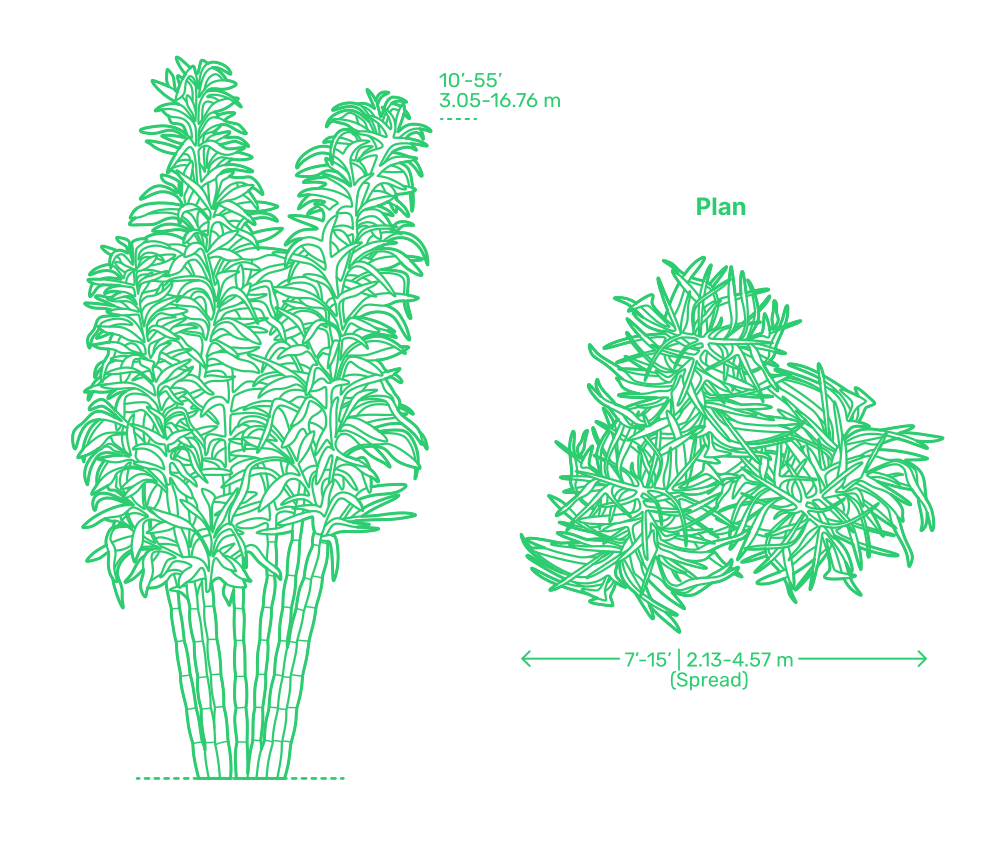
Buddha belly bamboo (Bambusa ventricosa) in a group form is characterized by clustered, upright culms with swollen internodes that create a distinctive irregular profile. Multiple culms emerge closely together from a shared base, forming a compact clump with strong vertical presence. The bulging segments vary in prominence, giving the group a sculptural and rhythmic appearance. Leaves are narrow and abundant, forming dense tufts along the upper portions of the culms.
Native to southern China, Bambusa ventricosa inhabits warm, subtropical environments. Unlike running bamboos, this species forms clumps rather than spreading aggressively through rhizomes. A notable biological trait is the exaggerated internode swelling, which is influenced by growth conditions and genetics. The group form emphasizes repetition and variation within the clump, showcasing the species’ unique culm morphology and cohesive growth habit.
Buddha Belly Bamboo (Group) has a typical overall height between 10’-55’ (3.05-16.76 m) and spread diameter of 7’-15’ (2.13-4.57 m). The culm diameter is typically between 1.5”-3” (3.8-7.6 cm).