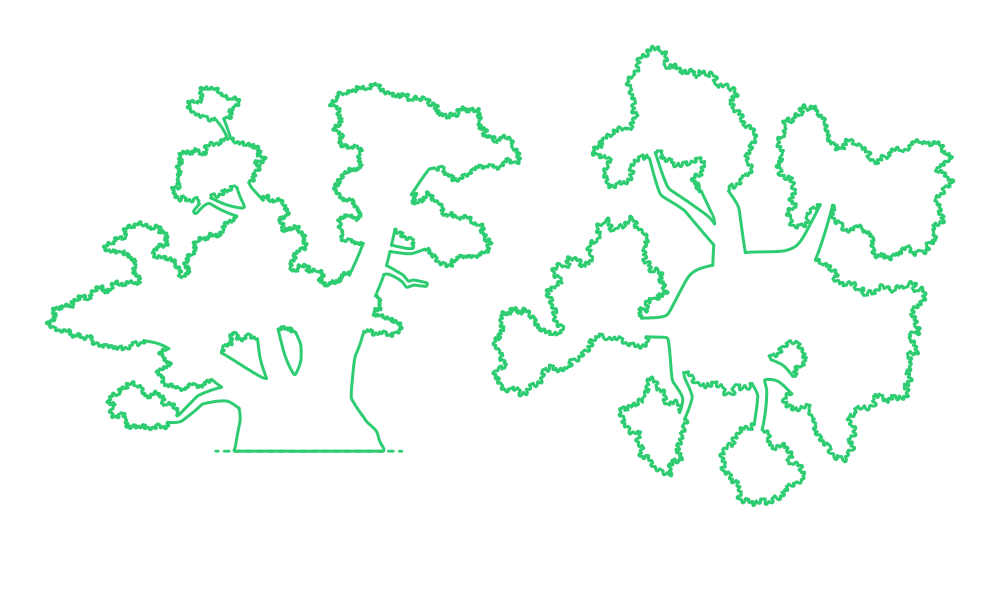
African Baobab (Medium, Wild) (Adansonia digitata)
African Baobab (Medium, Wild) (Adansonia digitata)
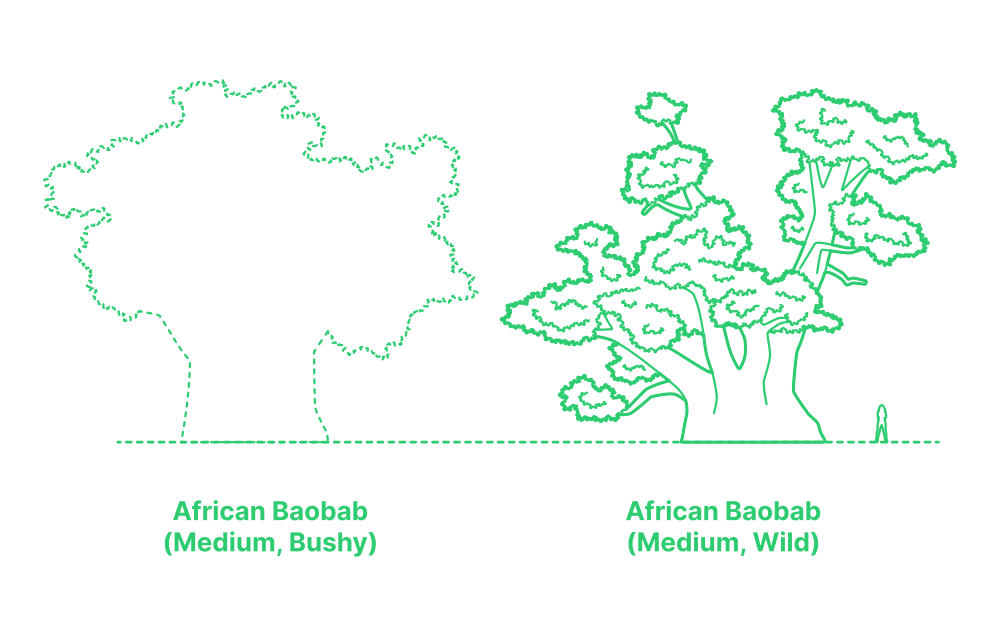
African baobab (Adansonia digitata) in a medium wild form develops with a stout trunk and a loosely irregular canopy shaped by natural environmental forces rather than symmetrical growth. The branches spread unevenly, often twisting or extending unpredictably, producing a rugged silhouette with substantial visual character. The trunk remains swollen and water-retentive, though less massive than larger specimens, while the crown maintains a broad but less compact profile.
Native to Africa’s dry savannas and open woodlands, Adansonia digitata is deeply adapted to seasonal drought, poor soils, and fire-prone habitats. A key biological feature is its extraordinary capacity for survival under extreme climatic variability. In this medium wild form, the species emphasizes adaptive irregularity, ecological resilience, and ancient structural expression, offering a more naturally varied interpretation of baobab architecture while preserving its defining monumental qualities.
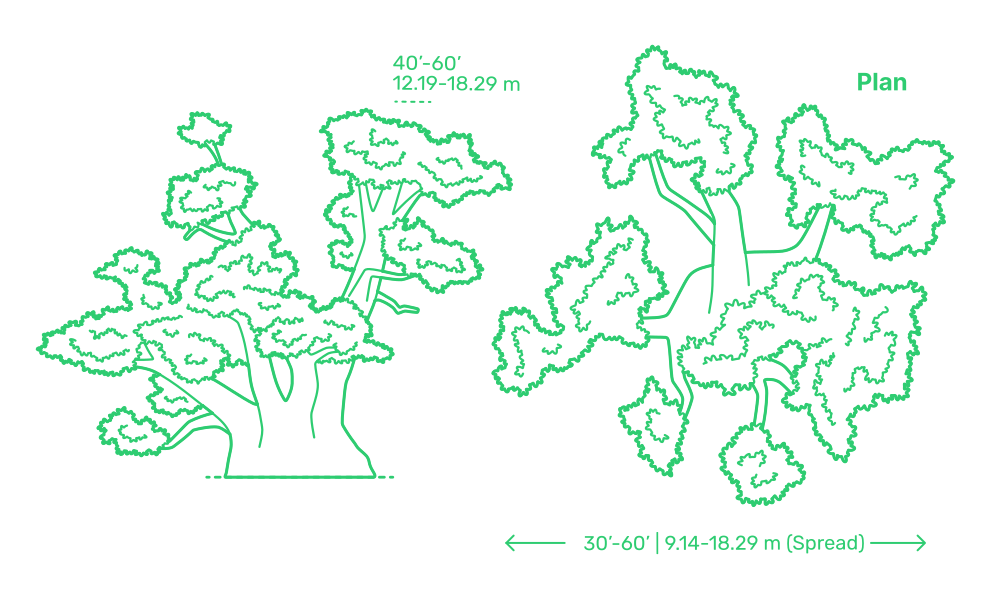
African Baobab (Medium, Wild) has a typical overall height between 40’-60’ (12.19-18.29 m) and spread diameter of 30’-60’ (9.14-18.29 m). The leaves have a typical length between 2”-6” (5-15 cm).
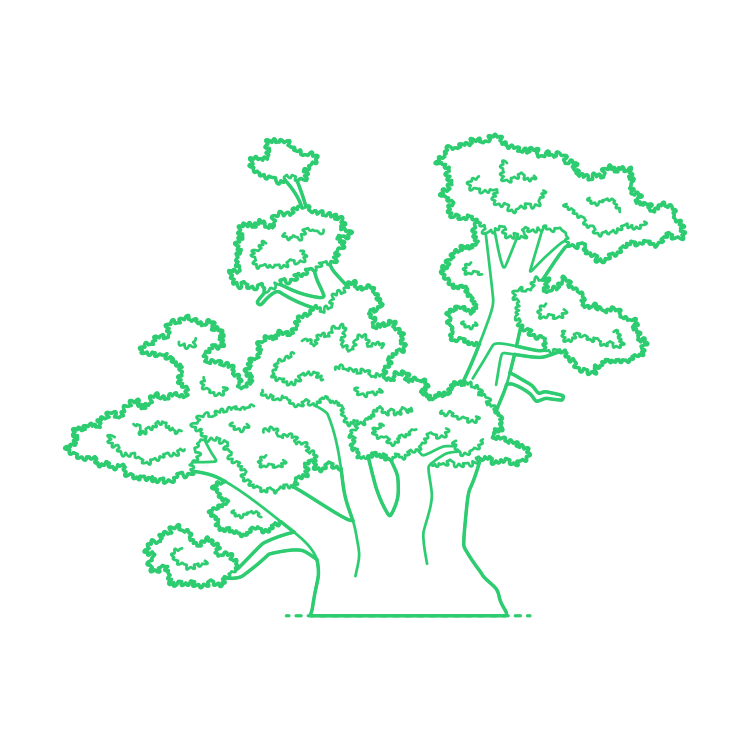
African baobab (Adansonia digitata) in a medium wild form develops with a stout trunk and a loosely irregular canopy shaped by natural environmental forces rather than symmetrical growth. The branches spread unevenly, often twisting or extending unpredictably, producing a rugged silhouette with substantial visual character. The trunk remains swollen and water-retentive, though less massive than larger specimens, while the crown maintains a broad but less compact profile.
Native to Africa’s dry savannas and open woodlands, Adansonia digitata is deeply adapted to seasonal drought, poor soils, and fire-prone habitats. A key biological feature is its extraordinary capacity for survival under extreme climatic variability. In this medium wild form, the species emphasizes adaptive irregularity, ecological resilience, and ancient structural expression, offering a more naturally varied interpretation of baobab architecture while preserving its defining monumental qualities.
African Baobab (Medium, Wild) has a typical overall height between 40’-60’ (12.19-18.29 m) and spread diameter of 30’-60’ (9.14-18.29 m). The leaves have a typical length between 2”-6” (5-15 cm).