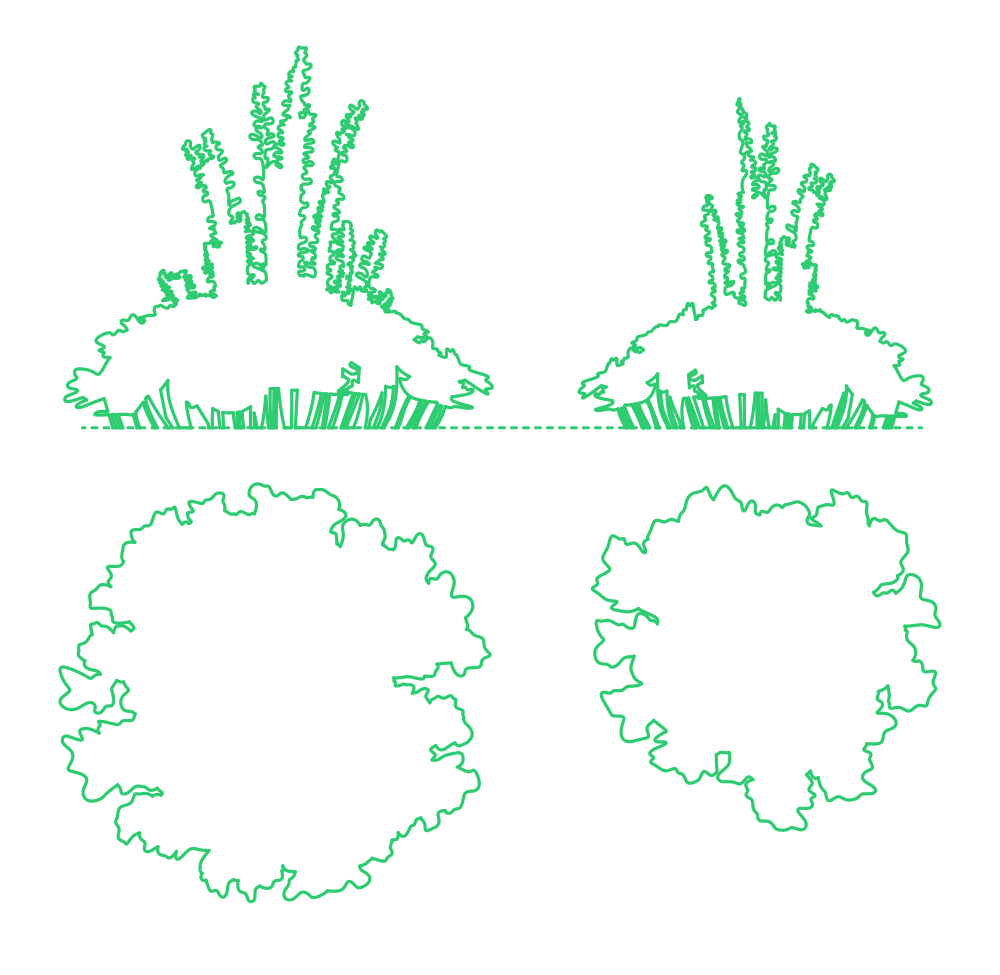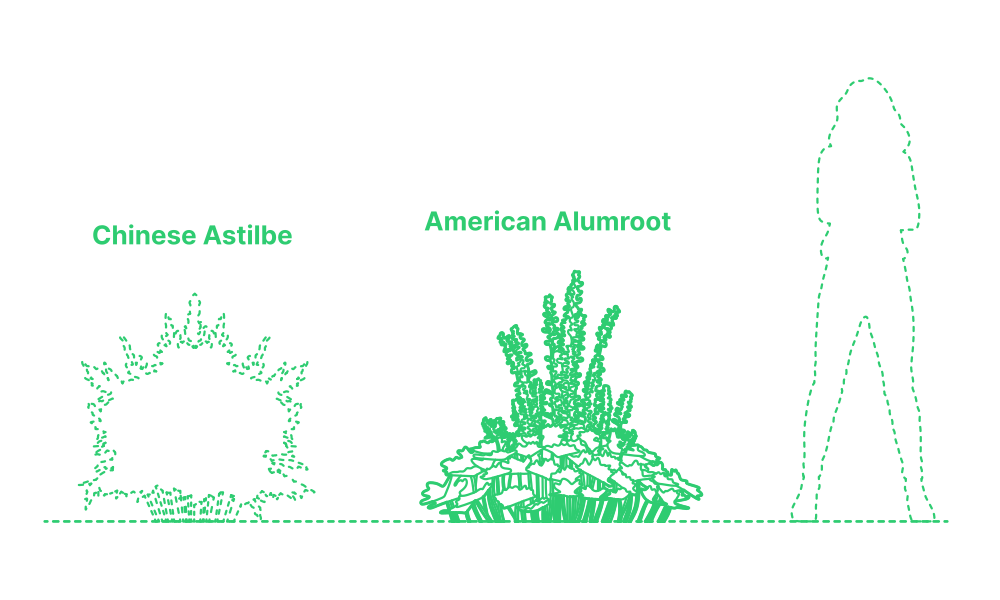

American Alumroot (Heuchera americana) is a perennial shade-loving plant valued for its intricate, often marbled foliage and airy clusters of tiny, bell-shaped flowers. The leaves, typically rounded with lobed edges, display striking patterns in shades of green, silver, and burgundy, providing year-round visual interest. Also known simply as alumroot or coral bells (a name shared with related species), it is native to eastern and central North America, thriving in woodlands, rocky slopes, and shaded garden areas.
In late spring to early summer, slender stems rise above the foliage, carrying delicate blooms that attract small pollinators. Historically, alumroot was used by Indigenous peoples for medicinal purposes, giving the plant cultural as well as ornamental significance. Its combination of attractive leaves, light floral accents, and adaptability to low-light conditions makes American Alumroot a versatile choice for adding texture, color, and seasonal variation to shaded landscapes, borders, and naturalistic plantings.
American Alumroot has a typical overall height between 1’-3’ (30-91 cm) and spread diameter of 2’-3’ (61-91 cm).
American Alumroot (Heuchera americana) is a perennial shade-loving plant valued for its intricate, often marbled foliage and airy clusters of tiny, bell-shaped flowers. The leaves, typically rounded with lobed edges, display striking patterns in shades of green, silver, and burgundy, providing year-round visual interest. Also known simply as alumroot or coral bells (a name shared with related species), it is native to eastern and central North America, thriving in woodlands, rocky slopes, and shaded garden areas.
In late spring to early summer, slender stems rise above the foliage, carrying delicate blooms that attract small pollinators. Historically, alumroot was used by Indigenous peoples for medicinal purposes, giving the plant cultural as well as ornamental significance. Its combination of attractive leaves, light floral accents, and adaptability to low-light conditions makes American Alumroot a versatile choice for adding texture, color, and seasonal variation to shaded landscapes, borders, and naturalistic plantings.
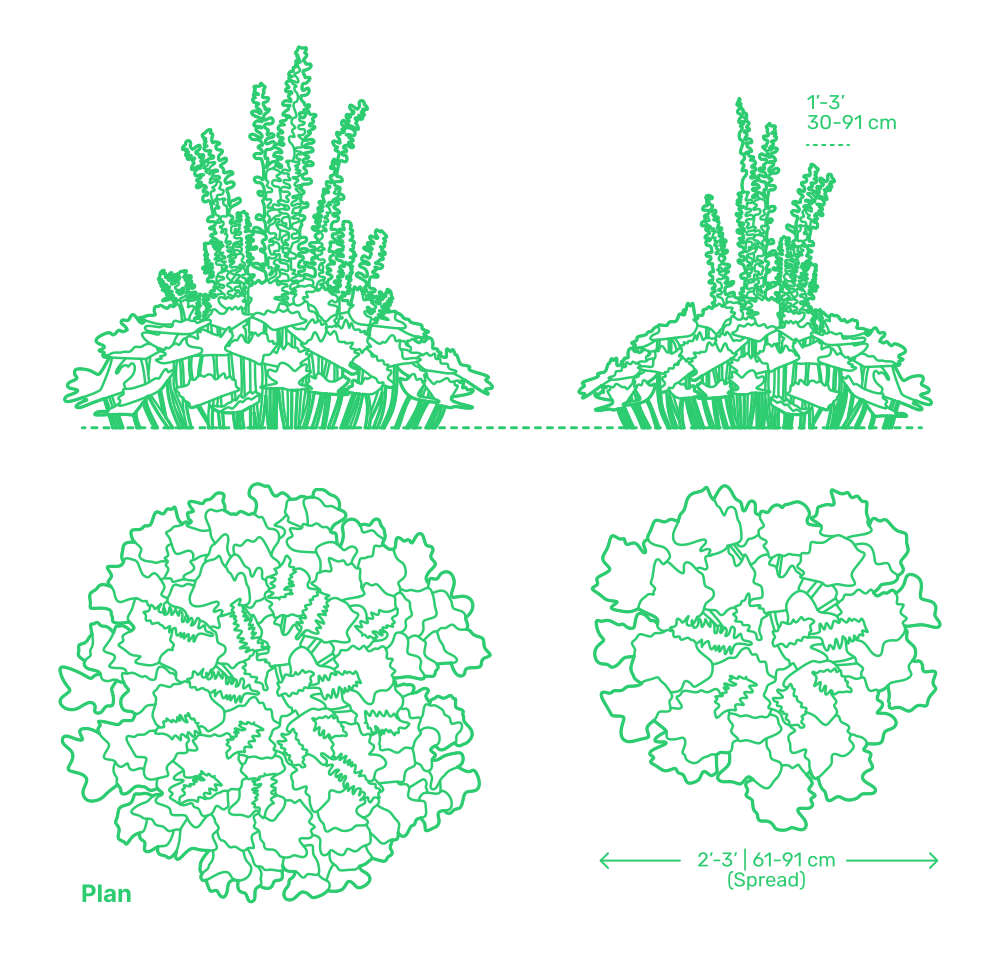
American Alumroot has a typical overall height between 1’-3’ (30-91 cm) and spread diameter of 2’-3’ (61-91 cm).