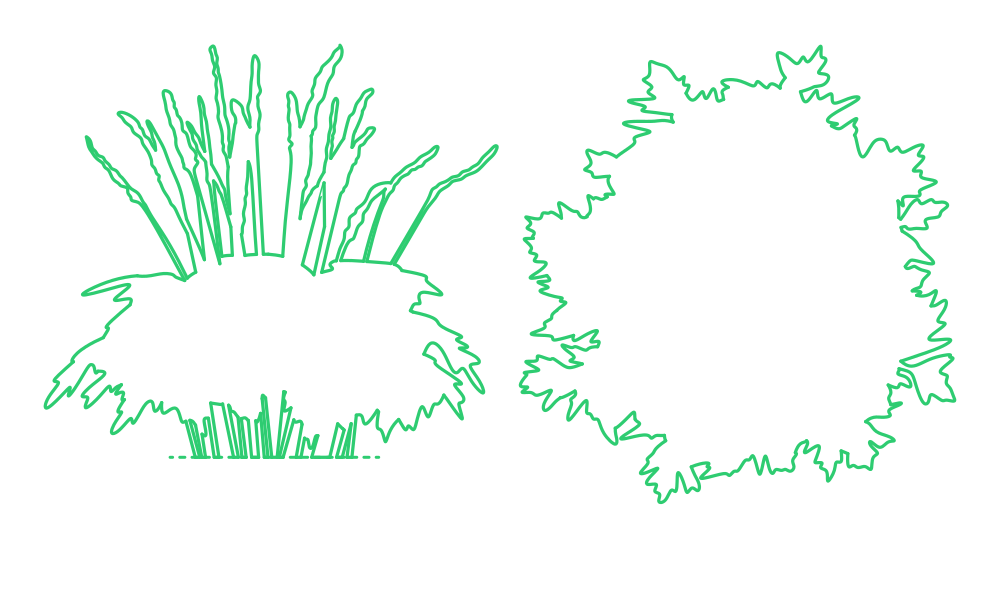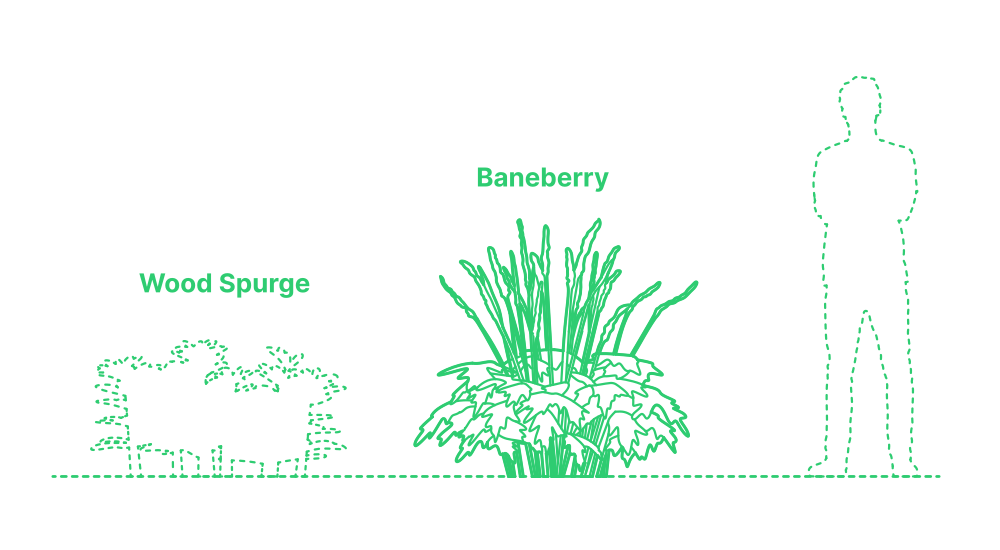
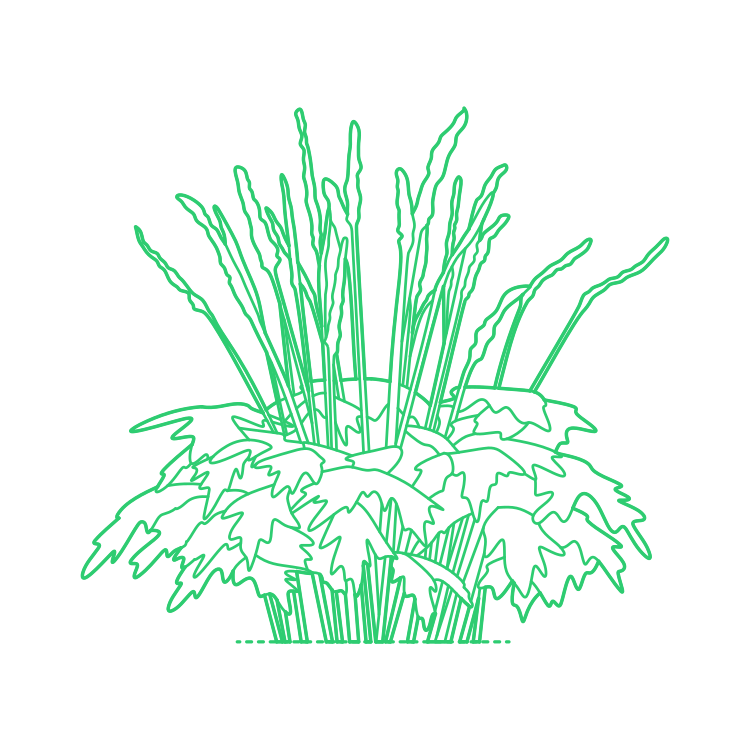
Baneberry (Actaea simplex) is a tall herbaceous perennial valued as a dramatic border filler, adding vertical emphasis and texture to shaded plantings. Its striking form begins with elegant, divided green leaves that create a dense, leafy base. From this foundation rise slender stems topped with elongated spires of tiny, fragrant white flowers that bloom in late summer to autumn, giving a feathery, candle-like effect.
Also known as bugbane or black cohosh in some contexts, it is native to woodland regions of East Asia, where it thrives in cool, moist soils. Following the floral display, decorative seed heads add seasonal interest and structure. Baneberry has long been associated with traditional herbal practices, although its berries are considered toxic. Beyond its historical uses, it is admired today for its architectural presence in borders and its ability to pair with other shade-loving perennials. With its height, fragrance, and fine texture, Baneberry enriches garden compositions with both elegance and depth.
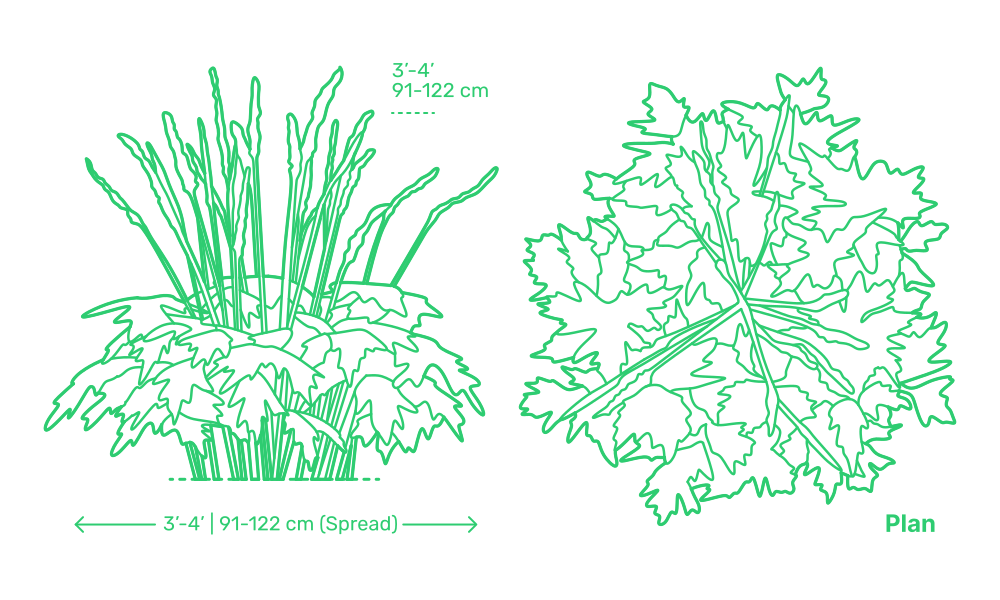
Baneberry has a typical overall height between 3’-4’ (91-122 cm) and spread diameter of 3’-4’ (91-122 cm).
Baneberry (Actaea simplex) is a tall herbaceous perennial valued as a dramatic border filler, adding vertical emphasis and texture to shaded plantings. Its striking form begins with elegant, divided green leaves that create a dense, leafy base. From this foundation rise slender stems topped with elongated spires of tiny, fragrant white flowers that bloom in late summer to autumn, giving a feathery, candle-like effect.
Also known as bugbane or black cohosh in some contexts, it is native to woodland regions of East Asia, where it thrives in cool, moist soils. Following the floral display, decorative seed heads add seasonal interest and structure. Baneberry has long been associated with traditional herbal practices, although its berries are considered toxic. Beyond its historical uses, it is admired today for its architectural presence in borders and its ability to pair with other shade-loving perennials. With its height, fragrance, and fine texture, Baneberry enriches garden compositions with both elegance and depth.
Baneberry has a typical overall height between 3’-4’ (91-122 cm) and spread diameter of 3’-4’ (91-122 cm).