

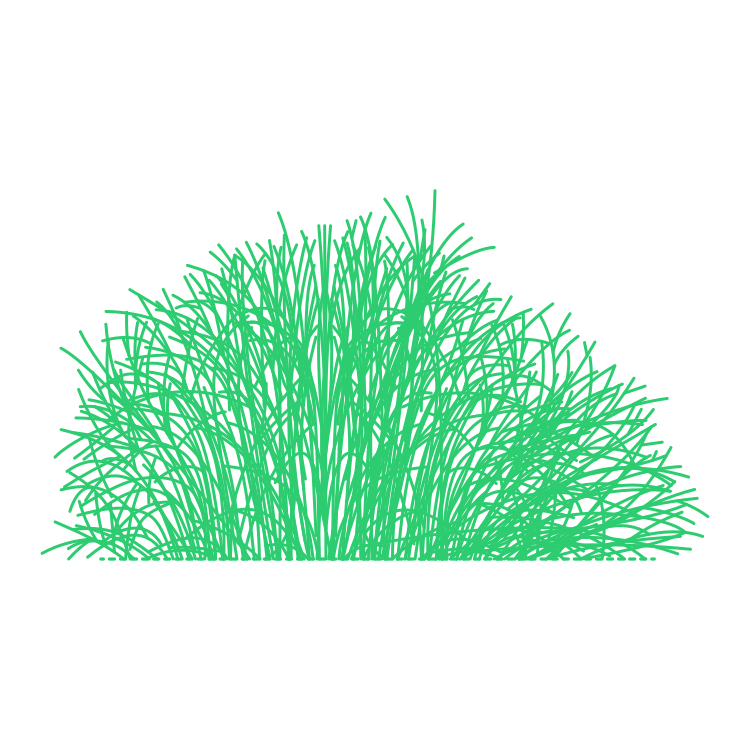
Leafless Shrub (Large) is defined by its woody framework standing bare without foliage, exposing the intricate structure of stems and branches. Stripped of leaves, these shrubs reveal an architecture often hidden during the growing season—dense thickets, spreading canes, or upright clusters of stems. Their silhouettes can appear skeletal, sculptural, or even ornamental, depending on species and environment.
Large leafless shrubs are typically found in temperate regions where seasonal dormancy causes leaves to drop, though they may also occur in arid habitats where drought stress strips foliage. Sometimes described as bare shrubs or dormant thickets, they highlight texture and form rather than color and leaf. As part of the landscape, they provide habitat for birds and small animals, sheltering wildlife even in their leafless state. Symbolically, they embody resilience, cycles of dormancy and renewal, and the stark beauty of woody growth laid bare against seasonal or environmental change
Leafless Shrubs (Large) have a typical overall height between 5’-8’ (152-244 cm) and spread diameter of 10’-15’ (305-457 cm).
Leafless Shrub (Large) is defined by its woody framework standing bare without foliage, exposing the intricate structure of stems and branches. Stripped of leaves, these shrubs reveal an architecture often hidden during the growing season—dense thickets, spreading canes, or upright clusters of stems. Their silhouettes can appear skeletal, sculptural, or even ornamental, depending on species and environment.
Large leafless shrubs are typically found in temperate regions where seasonal dormancy causes leaves to drop, though they may also occur in arid habitats where drought stress strips foliage. Sometimes described as bare shrubs or dormant thickets, they highlight texture and form rather than color and leaf. As part of the landscape, they provide habitat for birds and small animals, sheltering wildlife even in their leafless state. Symbolically, they embody resilience, cycles of dormancy and renewal, and the stark beauty of woody growth laid bare against seasonal or environmental change
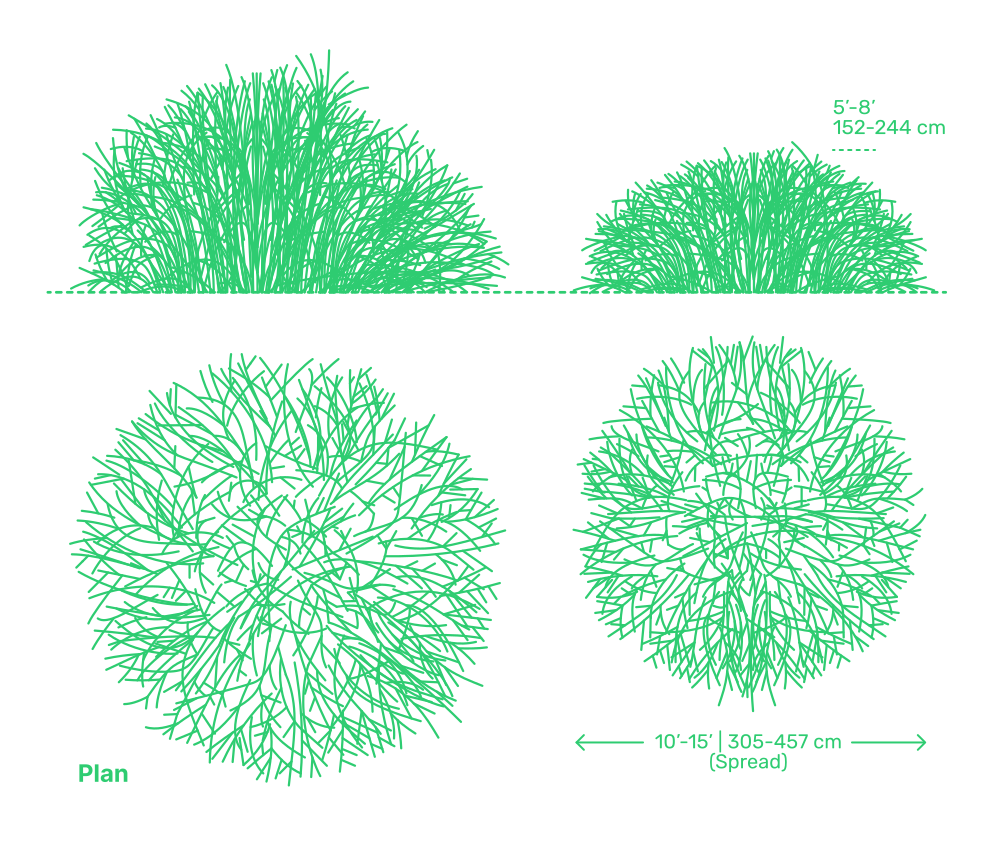
Leafless Shrubs (Large) have a typical overall height between 5’-8’ (152-244 cm) and spread diameter of 10’-15’ (305-457 cm).