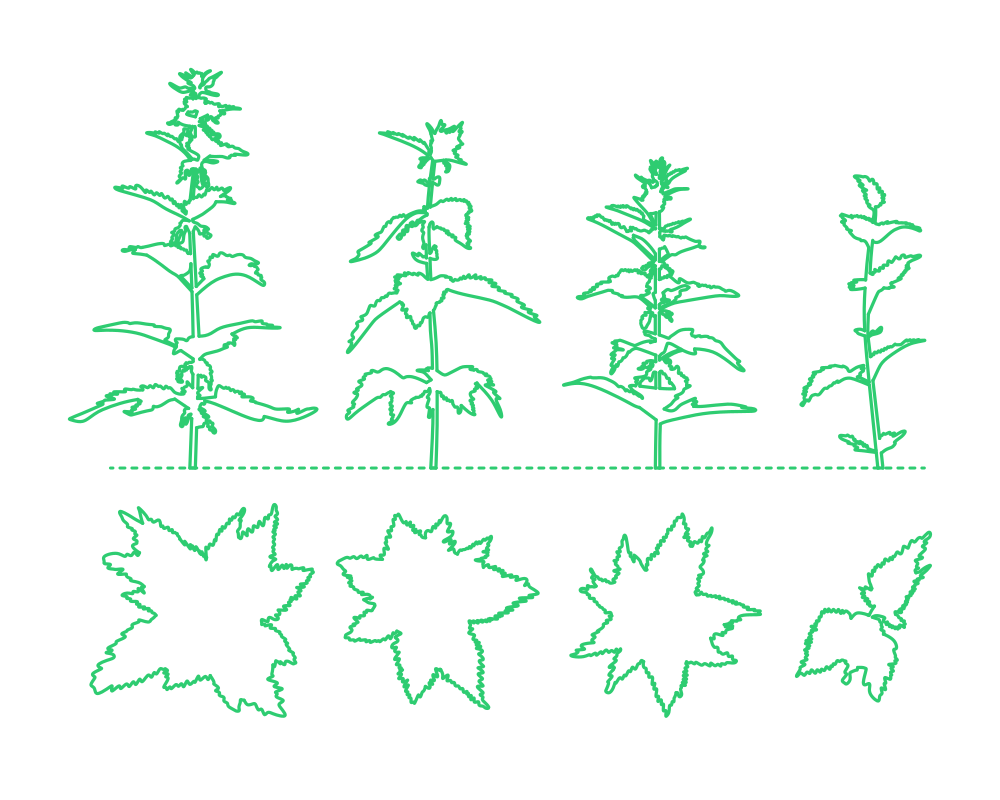
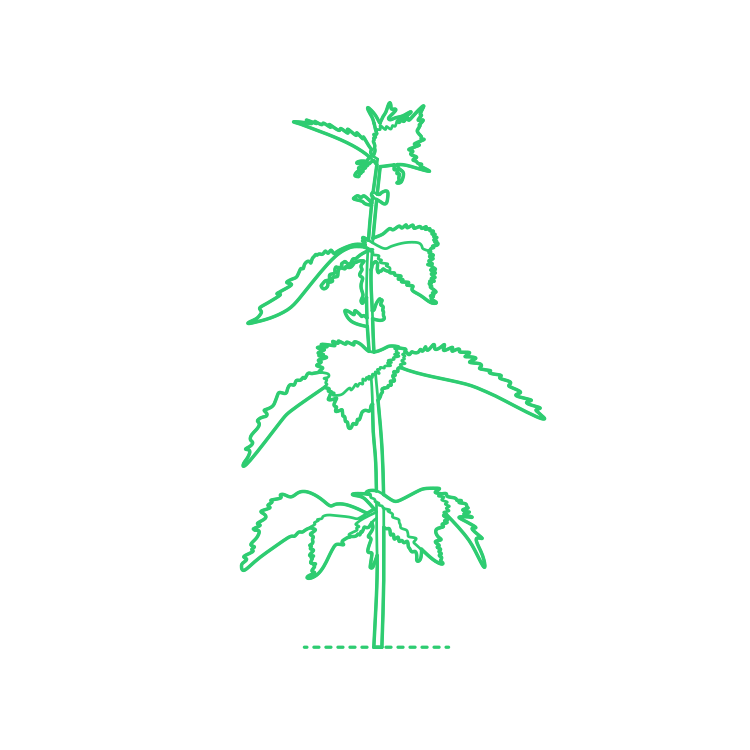
Nettle (Urtica dioica) is a hardy, herbaceous plant known for its sharply serrated green leaves and fine, stinging hairs that cover both leaves and stems. These tiny, hollow hairs inject a mild irritant when touched, causing a brief stinging sensation—hence its common name, Stinging Nettle. It produces small, greenish flower clusters along the stem and spreads through both seed and creeping rhizomes.
Native to Europe, Asia, and North America, it thrives in moist, nutrient-rich soils, often found along streams, woodland edges, and disturbed ground. As both a native wild plant and a flowering weed, nettle plays a vital role in local ecosystems—supporting a wide range of insects, especially butterflies like the Red Admiral, which use it as a host plant. Despite its sting, nettle has long been valued in traditional medicine, textile production, and as a nutrient-rich edible. Its dual character—defensive yet beneficial—makes it a fascinating and resilient species.
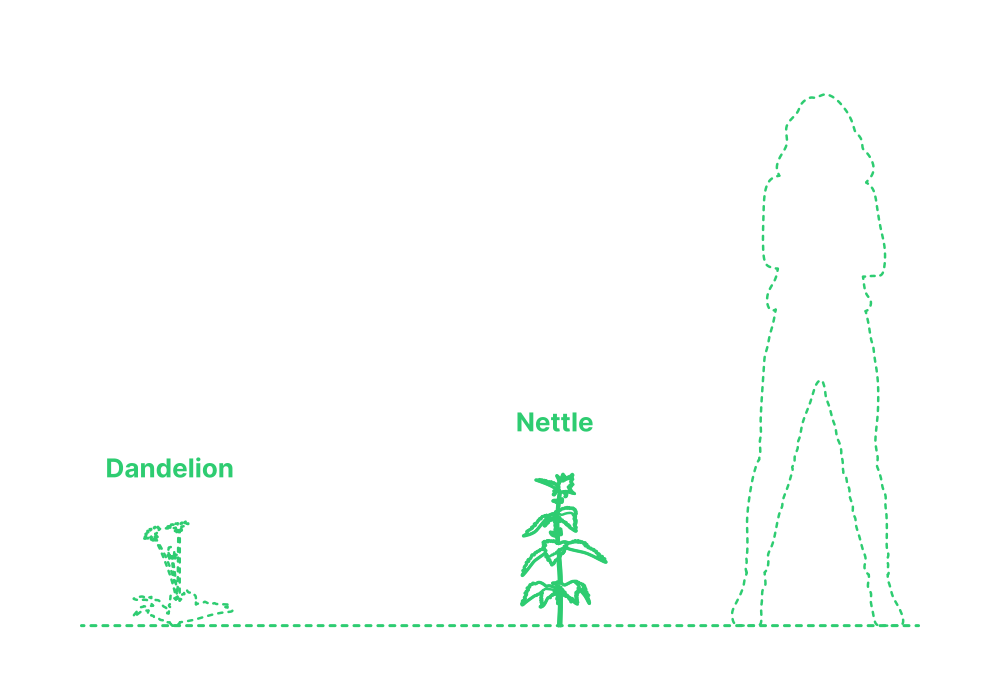
Nettle has a typical overall height between 1’6”-6’ (46-183 cm) and spread diameter of 5”-10” (13-25 cm).
Nettle (Urtica dioica) is a hardy, herbaceous plant known for its sharply serrated green leaves and fine, stinging hairs that cover both leaves and stems. These tiny, hollow hairs inject a mild irritant when touched, causing a brief stinging sensation—hence its common name, Stinging Nettle. It produces small, greenish flower clusters along the stem and spreads through both seed and creeping rhizomes.
Native to Europe, Asia, and North America, it thrives in moist, nutrient-rich soils, often found along streams, woodland edges, and disturbed ground. As both a native wild plant and a flowering weed, nettle plays a vital role in local ecosystems—supporting a wide range of insects, especially butterflies like the Red Admiral, which use it as a host plant. Despite its sting, nettle has long been valued in traditional medicine, textile production, and as a nutrient-rich edible. Its dual character—defensive yet beneficial—makes it a fascinating and resilient species.
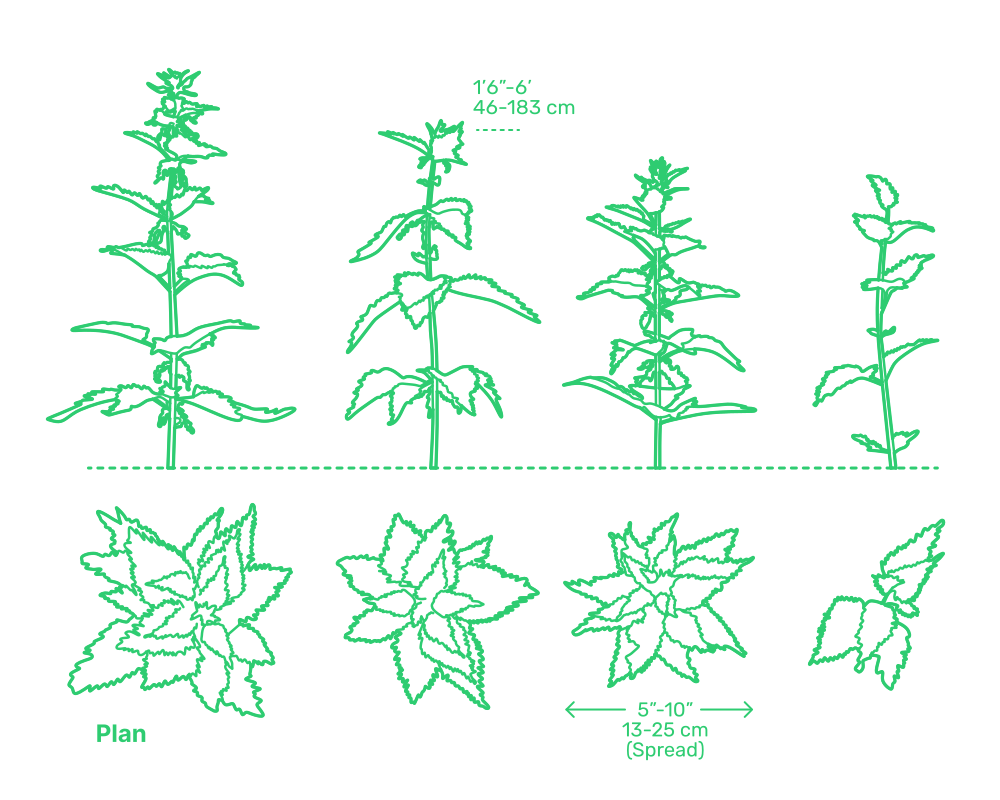
Nettle has a typical overall height between 1’6”-6’ (46-183 cm) and spread diameter of 5”-10” (13-25 cm).