
Bitter melon (Momordica charantia) is a fast-growing climbing vine with slender, twining stems and deeply lobed, bright green leaves that give the plant a light, open texture. The vine produces small yellow flowers followed by elongated, warty fruits that shift in color as they mature. Also known as bitter gourd or karela, Momordica charantia is native to tropical and subtropical regions of Asia and Africa and is now widely cultivated in warm climates worldwide.
The plant is notable for its intense bitterness, a trait linked to a high concentration of bioactive compounds. These chemical properties have made bitter melon significant in traditional medicine systems, particularly in South and East Asia. Biologically, the vine is adapted to rapid seasonal growth, climbing over surrounding vegetation to access sunlight. Its distinctive fruit structure and chemical profile make Momordica charantia one of the most unusual and recognizable edible vines.
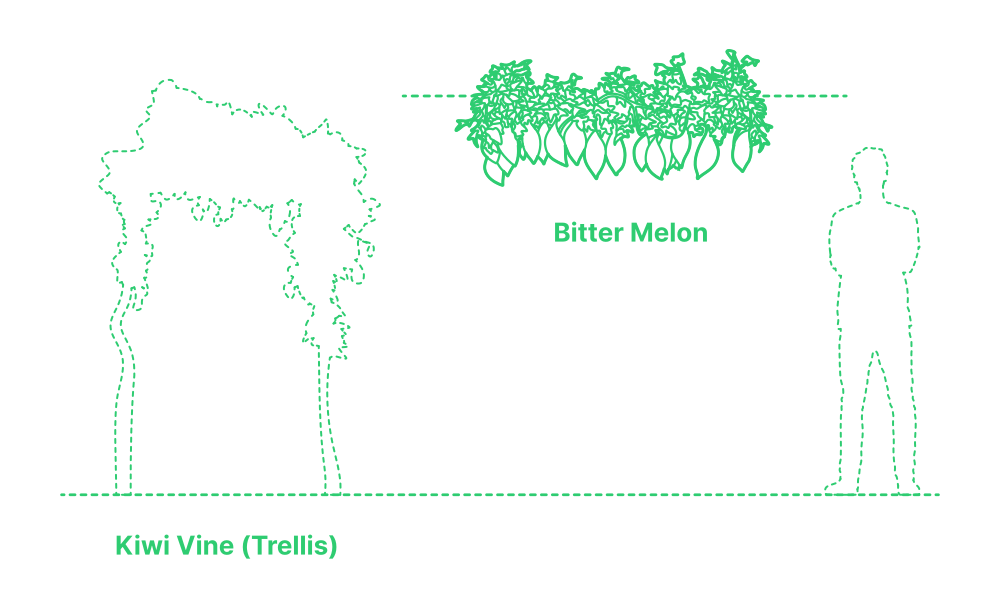
Bitter Melon has a typical overall cultivated height between 5’-8’ (1.52-2.44 m), maximum height of 10’-20’ (3.05-6.1 m) and spread of 3’-6’ (.91-1.83 m). The leaf width is between 2”-4” (5-10 cm).
Bitter melon (Momordica charantia) is a fast-growing climbing vine with slender, twining stems and deeply lobed, bright green leaves that give the plant a light, open texture. The vine produces small yellow flowers followed by elongated, warty fruits that shift in color as they mature. Also known as bitter gourd or karela, Momordica charantia is native to tropical and subtropical regions of Asia and Africa and is now widely cultivated in warm climates worldwide.
The plant is notable for its intense bitterness, a trait linked to a high concentration of bioactive compounds. These chemical properties have made bitter melon significant in traditional medicine systems, particularly in South and East Asia. Biologically, the vine is adapted to rapid seasonal growth, climbing over surrounding vegetation to access sunlight. Its distinctive fruit structure and chemical profile make Momordica charantia one of the most unusual and recognizable edible vines.
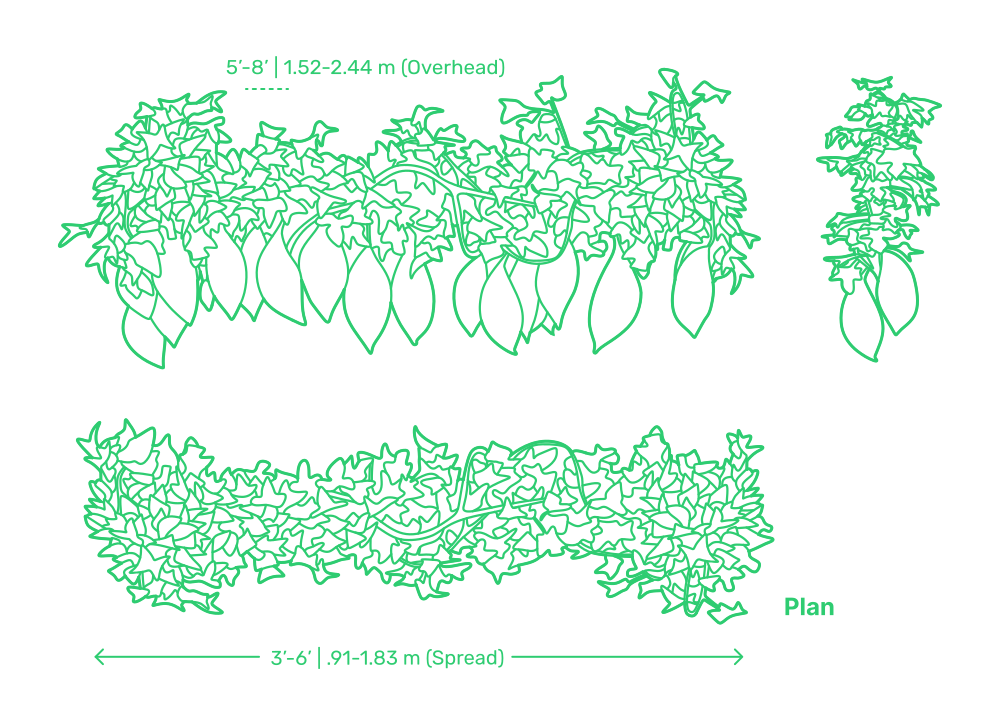
Bitter Melon has a typical overall cultivated height between 5’-8’ (1.52-2.44 m), maximum height of 10’-20’ (3.05-6.1 m) and spread of 3’-6’ (.91-1.83 m). The leaf width is between 2”-4” (5-10 cm).