
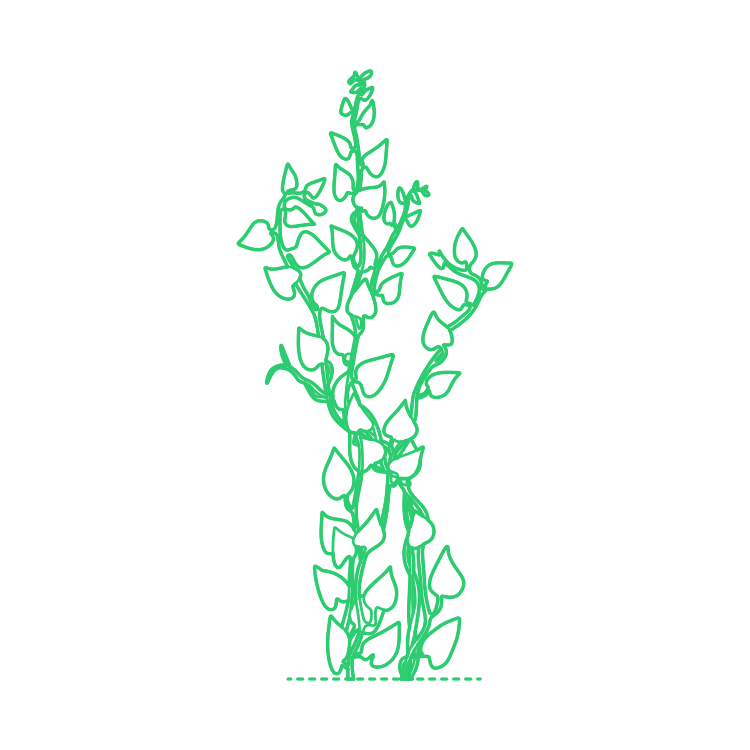
Flowering vines are climbing or trailing plants known for producing vibrant blooms along flexible, elongated stems. Found in tropical rainforests, temperate woodlands, and sunny meadows, they evolved to compete for light by growing upward or outward across other surfaces. Many species developed specialized mechanisms to grip or coil, allowing them to rise above ground-level plants. These vines play a role in connecting vertical and horizontal layers in plant ecosystems, offering shade and shelter along the way. Their growth habits often reflect the conditions of their native environments, where climbing is advantageous.
Over time, various flowering vine families diversified across continents, adapting to different climates and pollinators. Whether naturally sprawling across forest edges or integrated into human-designed landscapes, they serve important ecological functions such as erosion control and wildlife support. Their adaptability and visual appeal make them key players in the broader category of flowering plant types.
Flowering vines grow with long, flexible stems that stretch outward or climb upward using tendrils, twining stems, or small rootlets to grip nearby surfaces. Their leaves are often broad and arranged alternately or in pairs along the stem, helping absorb sunlight efficiently. Many vines bloom with colorful, fragrant flowers that attract pollinators like bees and hummingbirds. These flowers often develop into seed pods, berries, or capsules depending on the species.
Most flowering vines grow quickly during warm seasons, sending out new shoots from the base or along existing stems. Some types are annuals that complete their life cycle in one year, while others are perennials that return each season from the same root system. Underground, their roots may spread widely, anchoring the plant and drawing nutrients from the soil. Their adaptable structure allows them to fill vertical and horizontal spaces, creating a lush, layered effect in gardens or natural landscapes.
Flowering vines have long enchanted gardeners, architects, and artists alike. Historically, they’ve adorned temples, trellises, and fences, symbolizing beauty, growth, and connection across cultures. Their ability to soften hard surfaces and quickly transform spaces has made them popular in residential and public landscapes. In literature and poetry, vines often represent romance or the passage of time. Many species, such as wisteria, bougainvillea, and morning glories, are cultivated globally for their vibrant, showy blooms.
Florists incorporate vine tendrils into arrangements for natural movement and texture. In green building practices, flowering vines are valued for shading walls, improving air quality, and reducing heat gain. They’re also grown on pergolas and arbors to create shaded retreats. Even in culinary traditions, certain flowering vines like passionflower or nasturtium provide edible blooms and herbal remedies. Their beauty and function continue to inspire both casual gardeners and professional landscape designers around the world.
Flowering vines often serve as magnets for pollinators, drawing in bees, butterflies, and even hummingbirds with their colorful blooms and nectar-rich flowers. Their climbing habit allows them to spread across fences, trellises, or walls, creating vertical gardens full of life. Species like passionflower, honeysuckle, and trumpet vine are particularly known for supporting local ecosystems by offering food and shelter to beneficial insects and wildlife.
Fragrant flowering vines include jasmine (Jasminum spp.), known for its intense sweet scent, and honeysuckle (Lonicera spp.), which releases a rich perfume in the evening. Other popular choices are stephanotis, wisteria, and climbing roses. These vines add both beauty and aroma to gardens, trellises, and arbors. Their pleasant scent can enhance outdoor spaces and attract pollinators like bees and butterflies.
Some flowering vines are known for their extended blooming periods, adding lasting color and fragrance to gardens and landscapes. Varieties like mandevilla, bougainvillea, and clematis (especially repeat-blooming types) often flower from spring through fall. These vines thrive in sunny conditions and benefit from regular pruning and feeding. Their long bloom season makes them popular for covering trellises, fences, or pergolas while providing continuous visual interest.