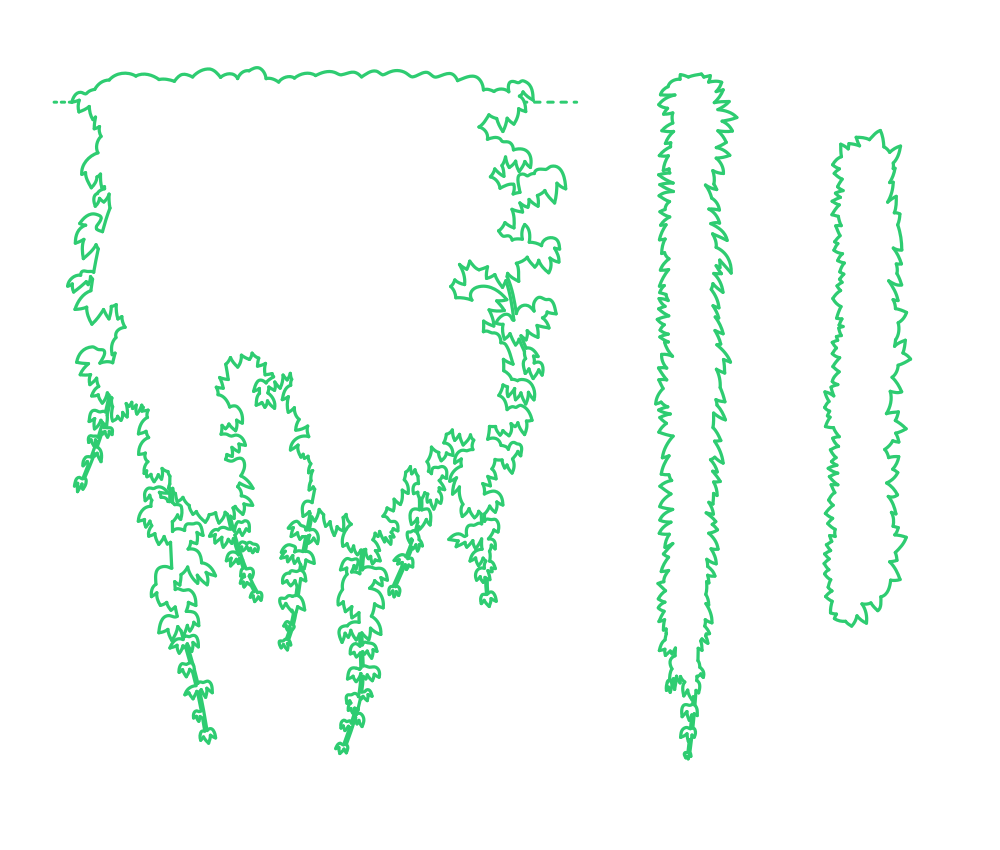
Boston Ivy (Hanging) (Parthenocissus tricuspidata)
Boston Ivy (Hanging) (Parthenocissus tricuspidata)
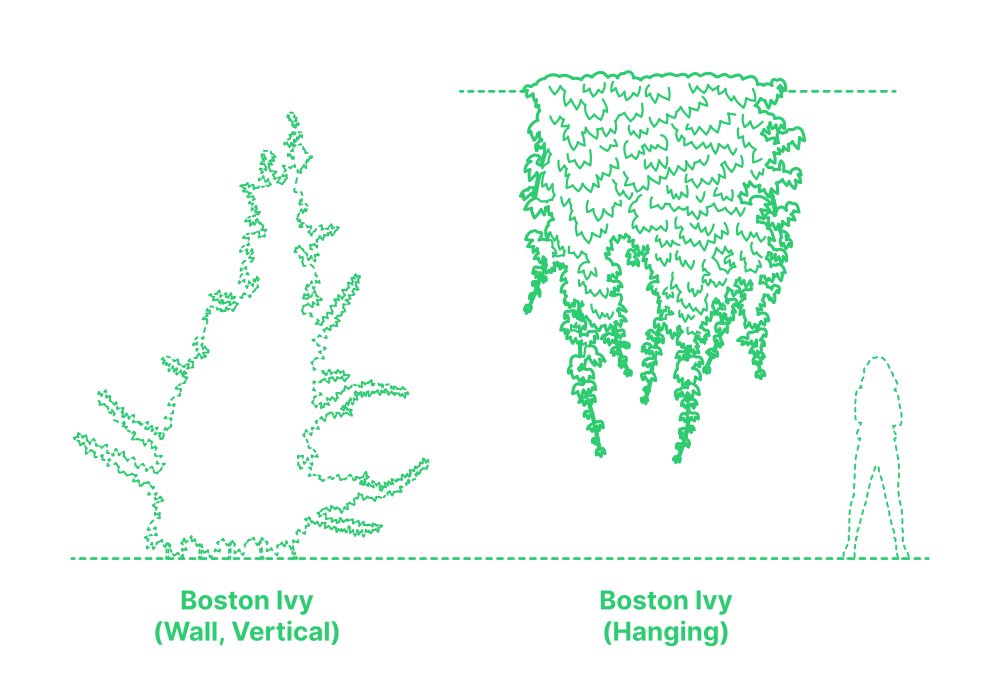
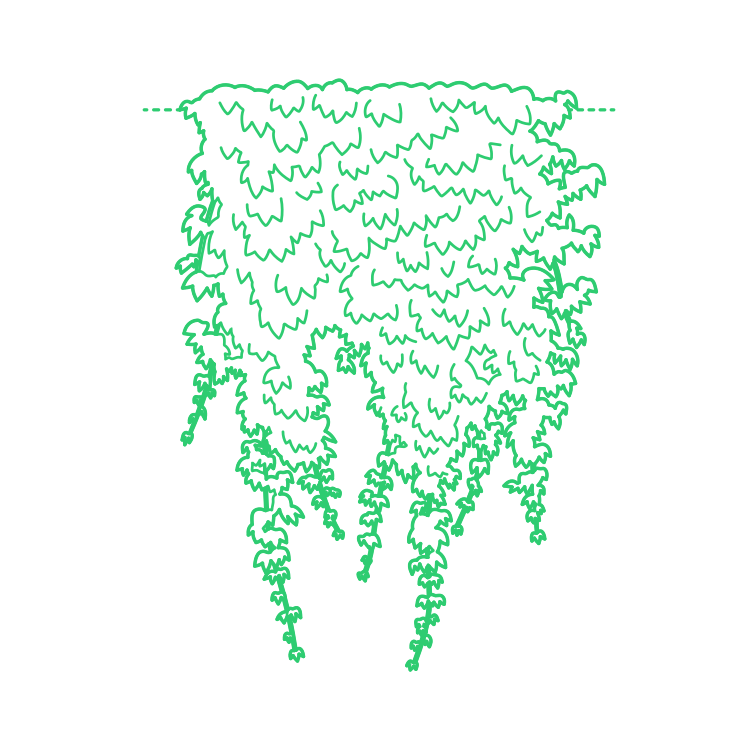
Boston Ivy (Parthenocissus tricuspidata) in a hanging form is characterized by long, flexible stems that trail downward freely, forming layered curtains of foliage. The leaves are broad and often three-lobed, with a smooth, slightly glossy surface that overlaps densely as the stems descend. Also known as Japanese ivy, this species is native to East Asia, where it naturally grows along forest edges, rocky slopes, and cliffs.
In hanging conditions, the vine emphasizes gravity-driven growth rather than climbing, with stems elongating and draping over ledges or elevated ground. A notable trait of Parthenocissus tricuspidata is its dramatic seasonal color change, as leaves often shift from green to vivid reds or purples before shedding. Biologically, the plant is adapted for rapid surface coverage and efficient light capture, making its hanging form a natural extension of its tendency to spread across open vertical space.
Boston Ivy (Hanging) has a typical overall height between 10’-20’ (3.05-6.1 m), maximum height of 30’-50’ (9.14-15.24 m), and spread of 5’-15’ (1.52-4.57 m). The leaf width is between 4”-8” (10-20 cm).
Boston Ivy (Parthenocissus tricuspidata) in a hanging form is characterized by long, flexible stems that trail downward freely, forming layered curtains of foliage. The leaves are broad and often three-lobed, with a smooth, slightly glossy surface that overlaps densely as the stems descend. Also known as Japanese ivy, this species is native to East Asia, where it naturally grows along forest edges, rocky slopes, and cliffs.
In hanging conditions, the vine emphasizes gravity-driven growth rather than climbing, with stems elongating and draping over ledges or elevated ground. A notable trait of Parthenocissus tricuspidata is its dramatic seasonal color change, as leaves often shift from green to vivid reds or purples before shedding. Biologically, the plant is adapted for rapid surface coverage and efficient light capture, making its hanging form a natural extension of its tendency to spread across open vertical space.
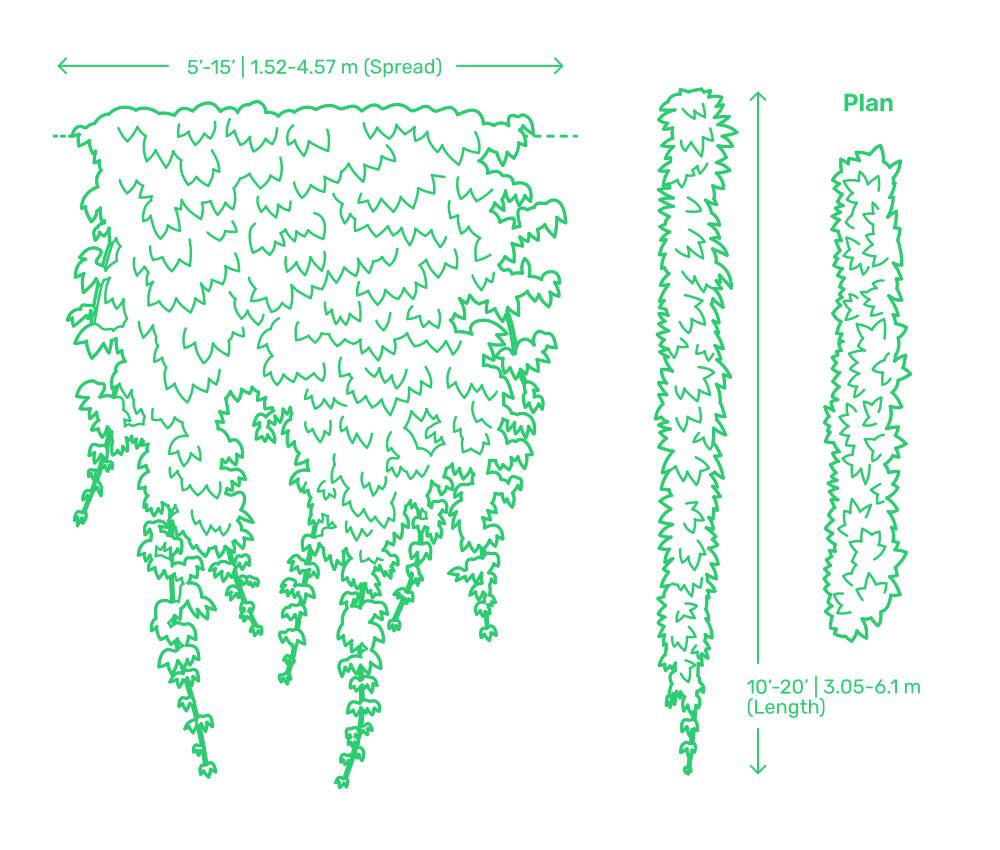
Boston Ivy (Hanging) has a typical overall height between 10’-20’ (3.05-6.1 m), maximum height of 30’-50’ (9.14-15.24 m), and spread of 5’-15’ (1.52-4.57 m). The leaf width is between 4”-8” (10-20 cm).