
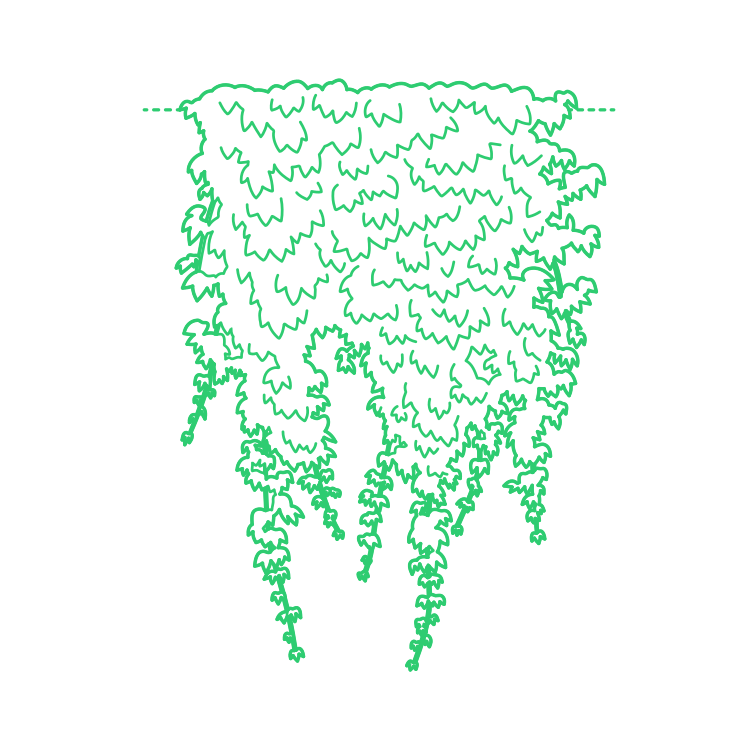
Wall-climbing vines are a group of flowering plants known for their ability to ascend vertical surfaces using various climbing mechanisms. Found naturally in forests, rocky slopes, and cliffs, these plants have adapted to seek sunlight by growing upward along trees, walls, or other structures. Their habitats span tropical rainforests, temperate woodlands, and urban environments where surfaces are available for support.
Over evolutionary time, these vines developed strategies such as twining stems, tendrils, or adhesive roots to secure themselves and maximize light exposure. Many species have become integral to green infrastructure in cities due to their minimal ground footprint and cooling benefits. As part of diverse ecosystems, climbing vines often coexist with trees and shrubs, forming vertical layers that support insects, birds, and small mammals. Their flexibility and vertical spread have made them distinct in both natural and designed environments.
Wall-climbing vines grow with specialized features that help them attach and climb. Some vines produce curling tendrils that wrap around supports, while others use small roots or sticky pads to cling directly to walls and surfaces. Their stems are typically long and flexible, allowing them to stretch and adapt to vertical spaces. Leaves may be spaced along the stem or clustered, often responding to sunlight by changing direction as the vine grows.
Many wall-climbers bloom seasonally with small flowers that produce seeds, which are dispersed by wind, water, or animals. Growth usually begins at the base and extends upward, guided by light and gravity. These plants can grow rapidly in the right conditions, often covering surfaces with dense foliage. Depending on the species, vines may remain evergreen or go dormant in cooler months, returning with vigorous new growth in spring or after rains.
Wall-climbing vines have long played both decorative and functional roles in human environments. People have trained them along buildings, fences, and trellises to soften hard architectural lines and bring nature into urban spaces. In ancient civilizations, such as those in Rome and China, vines were celebrated for their beauty and symbolic meanings—often representing resilience, growth, or eternity. Ivy-covered walls became iconic in universities and monasteries, associated with tradition and quiet scholarship. In gardening, vines offer vertical interest and shade, making them popular in courtyards and patios.
Artists, poets, and designers have drawn inspiration from their climbing forms, integrating them into works that emphasize organic beauty or time’s passage. Professionally, landscape architects use vines for privacy screening, erosion control, and greening facades. Some species also serve culinary or medicinal purposes, providing leaves, flowers, or fruit. Across cultures and centuries, wall-climbing vines have remained both practical and poetic in human life.
Growth rates for wall-climbing vines vary widely depending on species, climate, and growing conditions. Some fast-growing varieties, like Virginia creeper or trumpet vine, can grow several feet (1–3 meters) or more each season, quickly covering large surfaces. Others, like climbing hydrangea, grow more slowly and may take years to mature. Adequate sunlight, water, and support structures all influence how vigorously a vine establishes and spreads across walls.
Wall-climbing vines attach using specialized structures depending on the species. Some develop aerial rootlets that grip onto rough surfaces like brick or stone. Others use twining stems or tendrils that wrap around supports such as trellises or wires. A few varieties produce adhesive pads at the tips of tendrils to cling tightly. These adaptations help vines scale walls and structures without needing additional ties or fasteners.
Regular pruning helps wall-climbing vines stay healthy, manageable, and visually appealing. Without it, they may grow uncontrollably, smother nearby plants, or damage structures by creeping into cracks or gutters. Trimming improves air circulation, removes dead or diseased growth, and encourages fresh shoots. Depending on the species, pruning once or twice a year is often enough to guide their shape and prevent overgrowth while promoting healthy, vigorous growth.