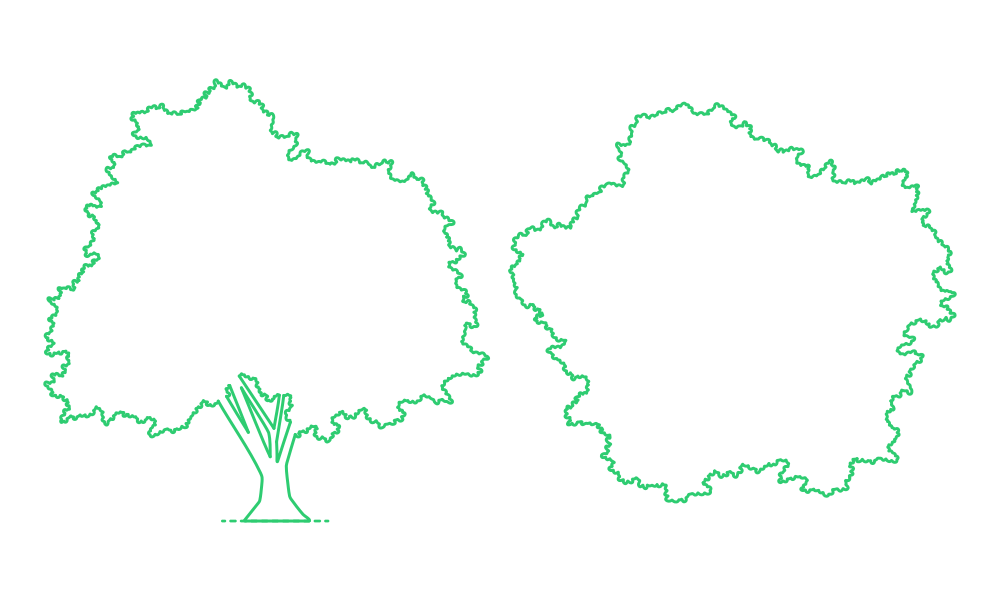
Japanese Pagoda Tree (Styphnolobium japonicum)
Japanese Pagoda Tree (Styphnolobium japonicum)
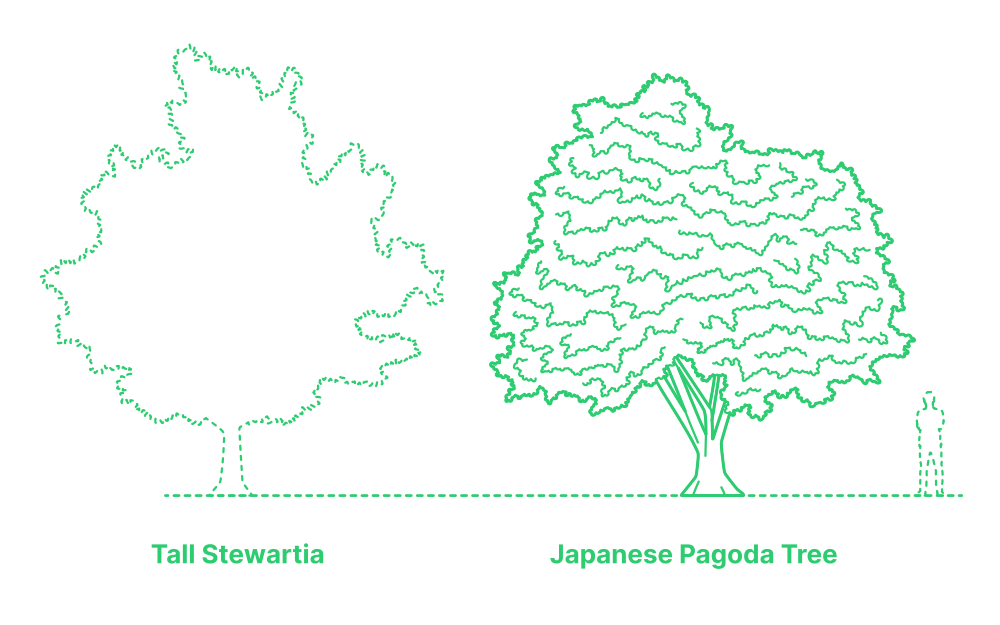
Japanese pagoda tree (Styphnolobium japonicum) is a deciduous flowering tree recognized for its broad rounded canopy, compound foliage, and late-season clusters of pale blossoms. The branches extend outward in layered formations, producing a dense crown with substantial shade-producing foliage. Leaves are pinnately compound and composed of multiple oval leaflets arranged along central stems, giving the canopy a soft and refined texture.
Native to China despite its common name, Styphnolobium japonicum has long been cultivated throughout East Asia and beyond in temple grounds and urban landscapes. The species is biologically notable for nitrogen-fixing root associations and flowering periods that occur later than many temperate deciduous trees. In mature form, the tree emphasizes balanced canopy architecture, layered branching structure, and soft floral display, making it one of the most enduring ornamental shade trees associated with East Asian landscapes.
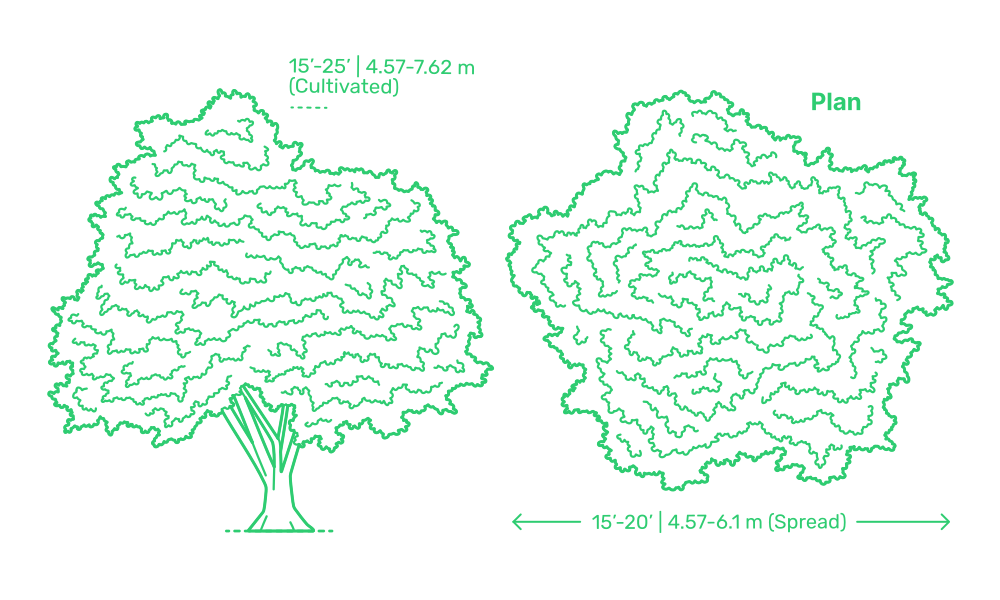
Japanese Pagoda Tree have a typical cultivated height between 15’-25’ (4.57-7.62 m) and spread diameter of 15’-25’ (4.57-7.62 m). The leaves have a typical length between 6”-12” (15-30 cm).
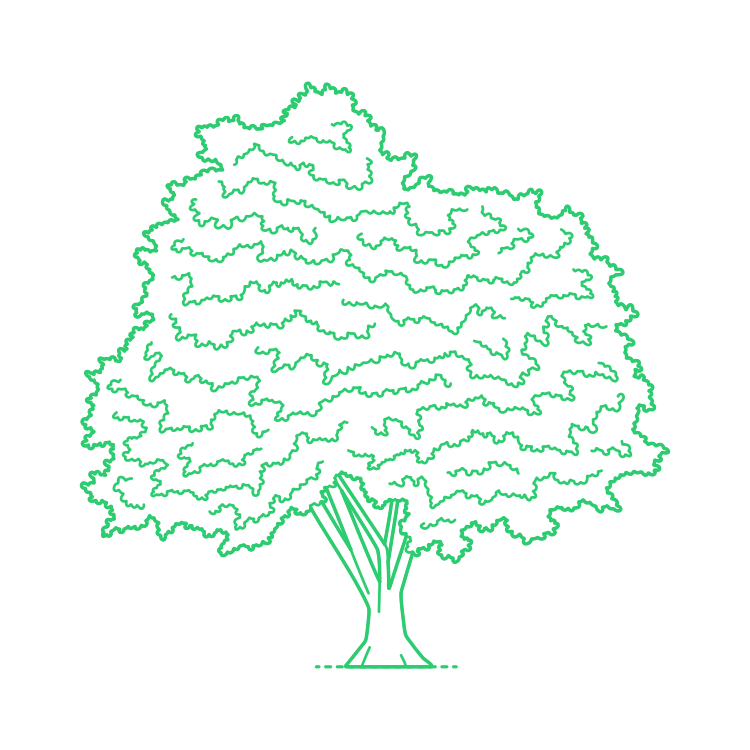
Japanese pagoda tree (Styphnolobium japonicum) is a deciduous flowering tree recognized for its broad rounded canopy, compound foliage, and late-season clusters of pale blossoms. The branches extend outward in layered formations, producing a dense crown with substantial shade-producing foliage. Leaves are pinnately compound and composed of multiple oval leaflets arranged along central stems, giving the canopy a soft and refined texture.
Native to China despite its common name, Styphnolobium japonicum has long been cultivated throughout East Asia and beyond in temple grounds and urban landscapes. The species is biologically notable for nitrogen-fixing root associations and flowering periods that occur later than many temperate deciduous trees. In mature form, the tree emphasizes balanced canopy architecture, layered branching structure, and soft floral display, making it one of the most enduring ornamental shade trees associated with East Asian landscapes.
Japanese Pagoda Tree have a typical cultivated height between 15’-25’ (4.57-7.62 m) and spread diameter of 15’-25’ (4.57-7.62 m). The leaves have a typical length between 6”-12” (15-30 cm).