
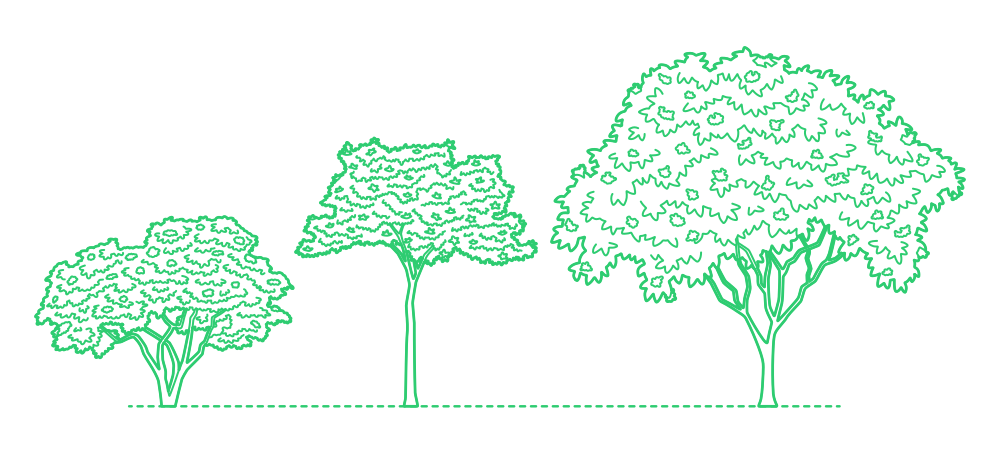
Flowering trees are woody perennial plants that produce conspicuous blossoms, typically as part of their reproductive cycle. Found across temperate, tropical, and subtropical regions, they thrive in forests, urban parks, residential gardens, and open landscapes. These trees have evolved a wide variety of flower forms, sizes, and blooming times to attract pollinators and ensure seed production. Some flower before leaf-out in early spring, while others bloom alongside or after foliage develops.
Species range from compact ornamentals to towering canopy trees. Their development is shaped by environmental conditions such as rainfall, soil quality, and temperature cycles. Flowering trees often occupy ecological roles that include shading, erosion control, and food production. Their global distribution has been influenced by both natural processes and centuries of cultivation and hybridization.
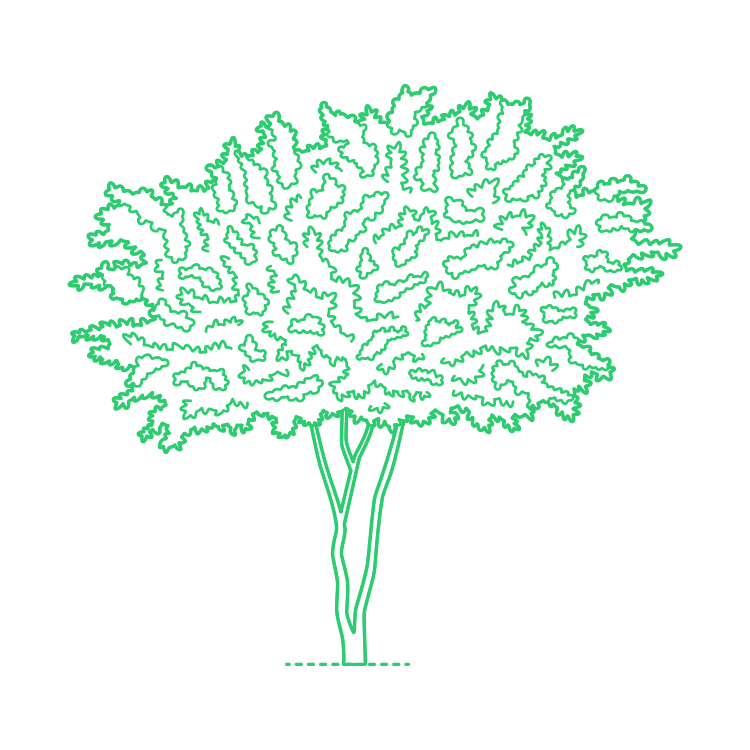
Flowering trees have a sturdy trunk that supports spreading branches covered in leaves and blossoms. Their flowers grow from buds, often at the tips of twigs, and can appear seasonally or throughout the year, depending on the species. Petals, stamens, and pistils form the basic structure of each bloom, helping the tree produce seeds after pollination.
Some flowering trees bear fruits or seed pods, which house the next generation. Roots stretch underground to absorb water and nutrients, anchoring the tree in place. Growth tends to follow a predictable seasonal rhythm—dormant in winter, budding in spring, full leaf and bloom in summer, and fruiting or seed-dropping by fall. Some species grow rapidly, while others develop slowly over decades into grand, mature specimens.
Humans have long admired flowering trees for their beauty, symbolism, and seasonal drama. Cultures around the world celebrate their blooms with festivals, from Japan’s cherry blossom hanami to India’s springtime Holi under blooming trees. These trees have shaped art, poetry, and spiritual traditions, often representing renewal, love, or fleeting beauty. In home gardens and public landscapes, flowering trees are chosen to provide color, shade, and fragrance.
Professionals use them to mark seasons in urban design, soften architecture, and attract pollinators. Some varieties also offer edible fruits or medicinal properties. Wedding ceremonies, memorials, and religious sites often feature iconic flowering species. Their ability to transform a space with color and scent gives them a cherished place in daily life, from backyards to cultural rituals.
Flowering trees like the Eastern Redbud, Dogwood, and Japanese Cherry are admired for their striking seasonal displays in home gardens. Magnolia trees offer bold blooms and a sweet fragrance, while Crape Myrtles provide long-lasting color through summer. These trees not only add visual charm but also attract pollinators and frame garden spaces beautifully, making them popular choices for both small and large landscapes.
Early spring or fall is typically the best time to plant a flowering tree, as the milder temperatures and increased rainfall help roots establish before summer heat or winter frost. Planting during dormancy allows the tree to focus energy on root development rather than foliage or blooms. Local climate, species needs, and soil conditions should also guide the ideal planting window for long-term success.
Timing and technique are key to pruning a flowering tree without disrupting its blooms. Prune spring-blooming trees right after they finish flowering to avoid cutting off next year’s buds. For summer-blooming varieties, prune in late winter or early spring before new growth begins. Focus on removing dead, damaged, or crossing branches while maintaining the tree’s natural shape to support healthy flowering and overall structure.