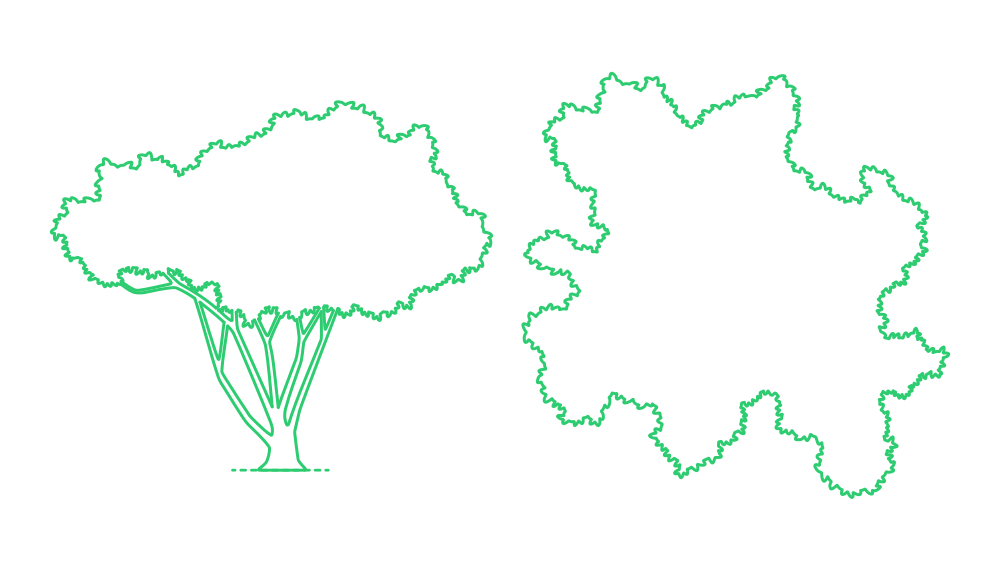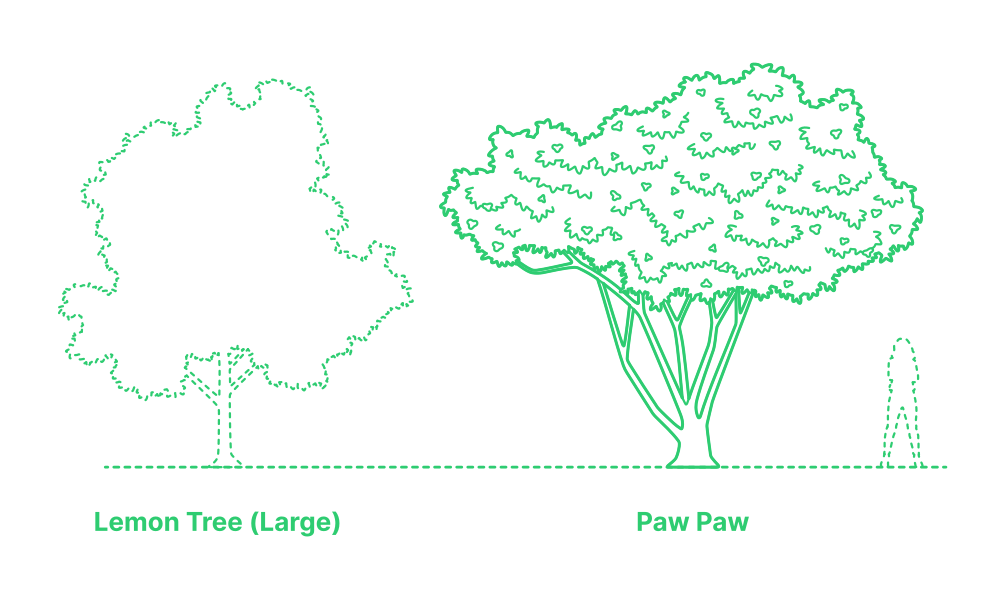

Paw paw (Asimina triloba) is a deciduous understory tree recognized for its large tropical-looking leaves, slender branching structure, and elongated edible fruit. The foliage consists of broad, drooping leaves with smooth edges that create a lush and distinctly subtropical appearance despite the species’ temperate origins. The branches are relatively sparse, allowing the oversized foliage to dominate the canopy’s visual character.
Native to eastern North America, Asimina triloba commonly grows in moist forests, river valleys, and woodland understories. The species is biologically notable as a member of the custard apple family, Annonaceae, making it one of the few temperate representatives of a primarily tropical lineage. Maroon-colored flowers emerge directly along the branches before fruit development. In mature form, Asimina triloba emphasizes oversized foliage, soft-textured branching, and unusual tropical visual qualities uncommon among temperate deciduous trees.
Paw Paw have a typical overall height between 15’-25’ (4.57-7.62 m) and spread diameter of 15’-25’ (4.57-7.62 m). The leaves have a typical length between 4”-12” (10-30 cm).
Paw paw (Asimina triloba) is a deciduous understory tree recognized for its large tropical-looking leaves, slender branching structure, and elongated edible fruit. The foliage consists of broad, drooping leaves with smooth edges that create a lush and distinctly subtropical appearance despite the species’ temperate origins. The branches are relatively sparse, allowing the oversized foliage to dominate the canopy’s visual character.
Native to eastern North America, Asimina triloba commonly grows in moist forests, river valleys, and woodland understories. The species is biologically notable as a member of the custard apple family, Annonaceae, making it one of the few temperate representatives of a primarily tropical lineage. Maroon-colored flowers emerge directly along the branches before fruit development. In mature form, Asimina triloba emphasizes oversized foliage, soft-textured branching, and unusual tropical visual qualities uncommon among temperate deciduous trees.
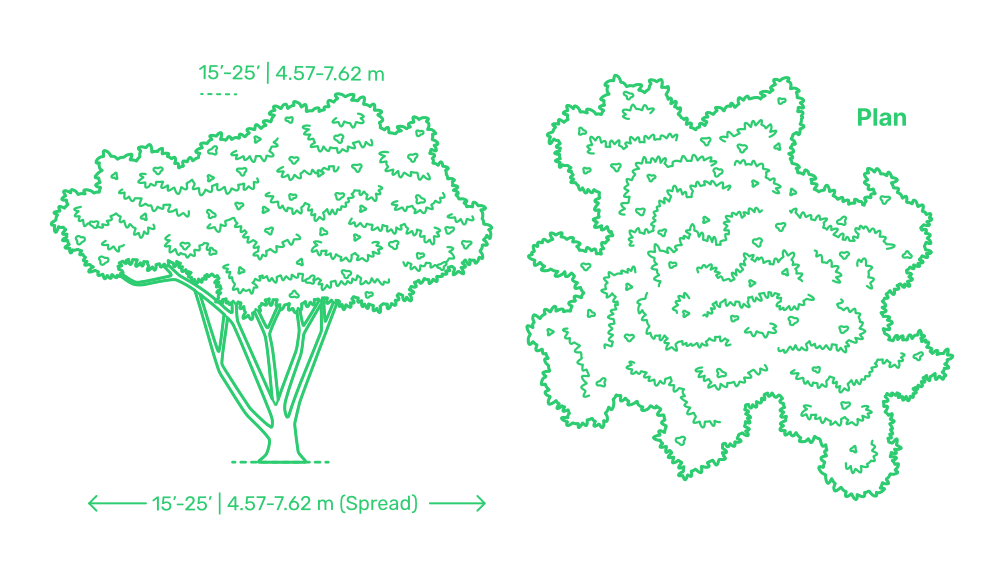
Paw Paw have a typical overall height between 15’-25’ (4.57-7.62 m) and spread diameter of 15’-25’ (4.57-7.62 m). The leaves have a typical length between 4”-12” (10-30 cm).