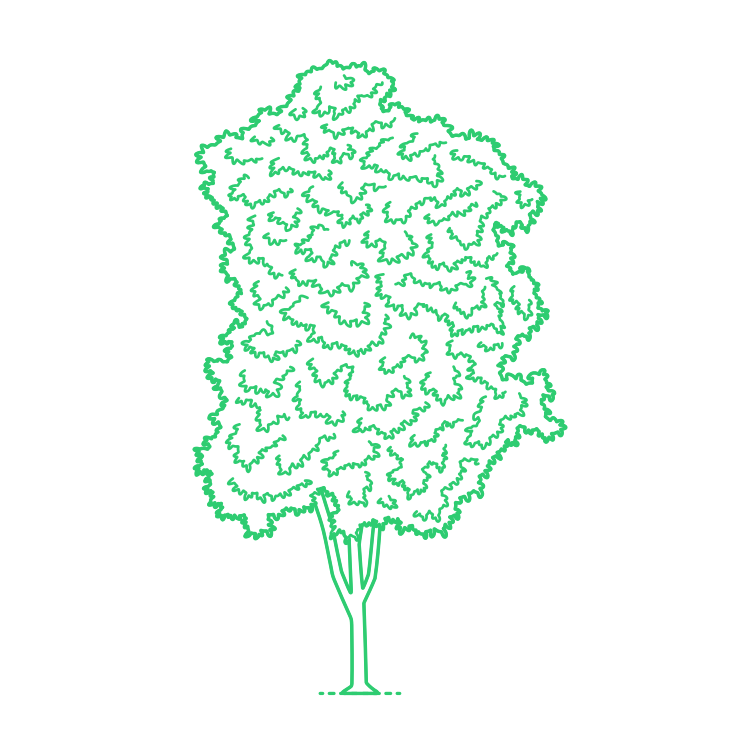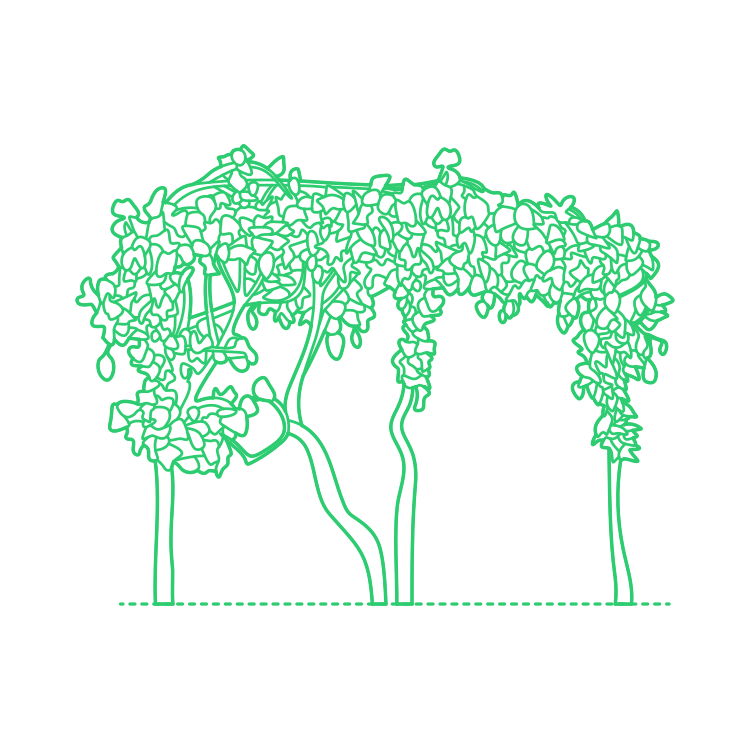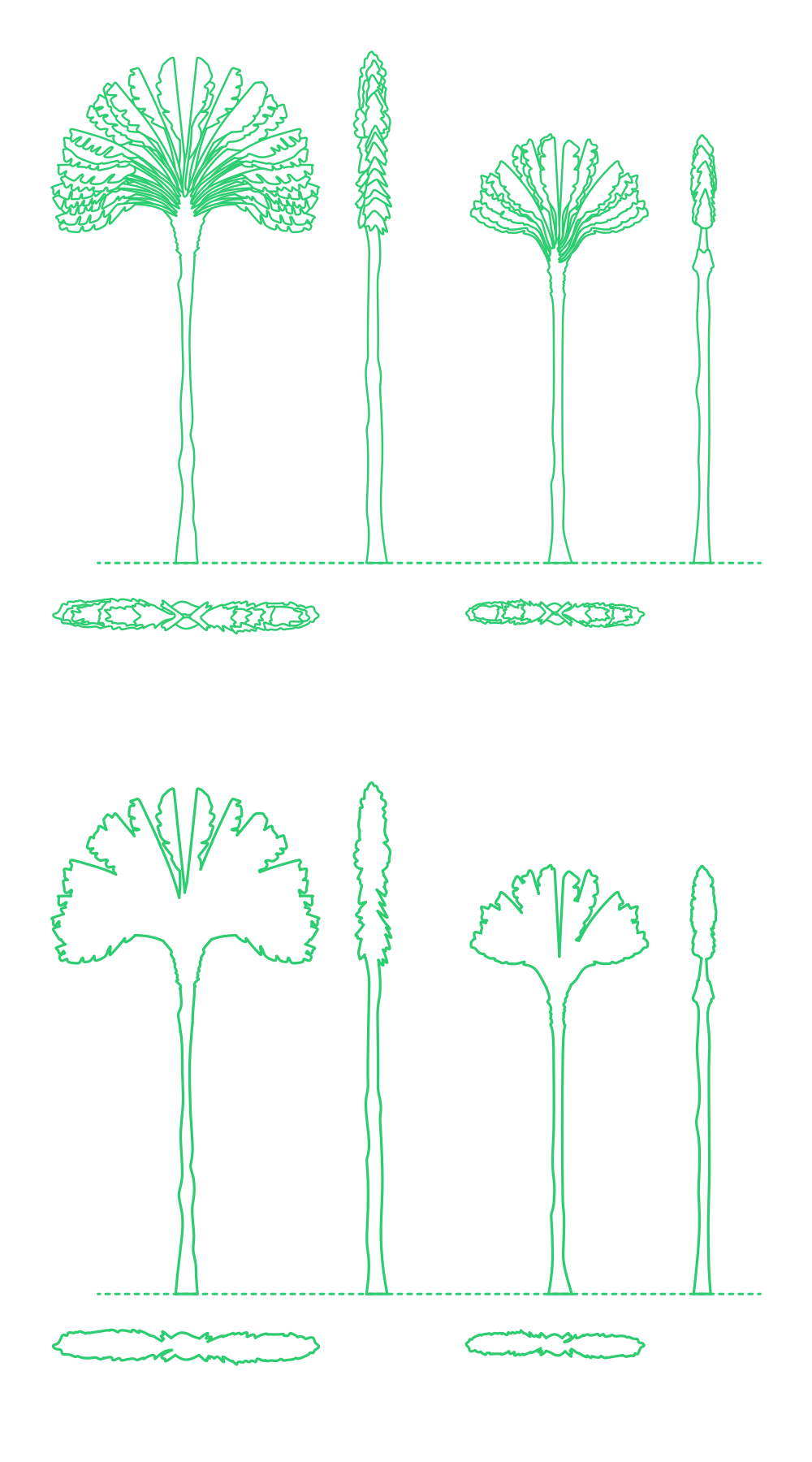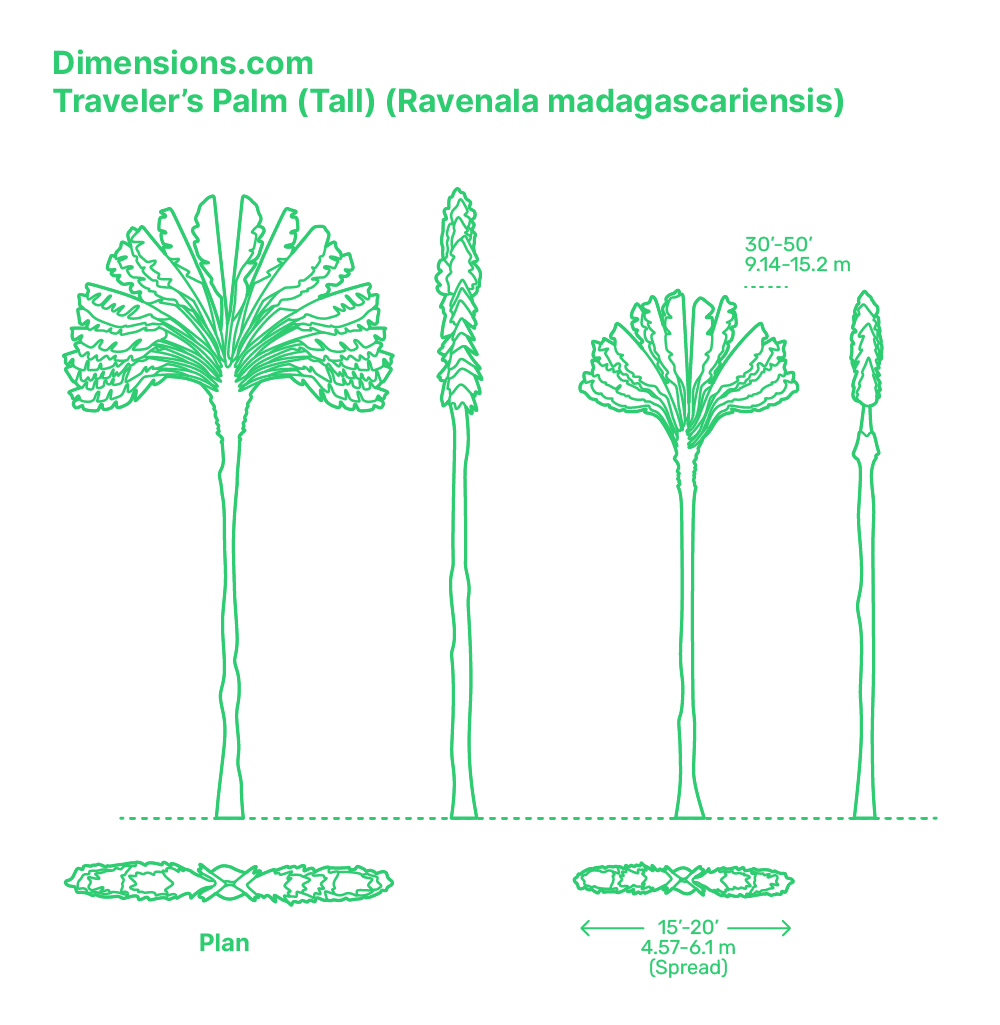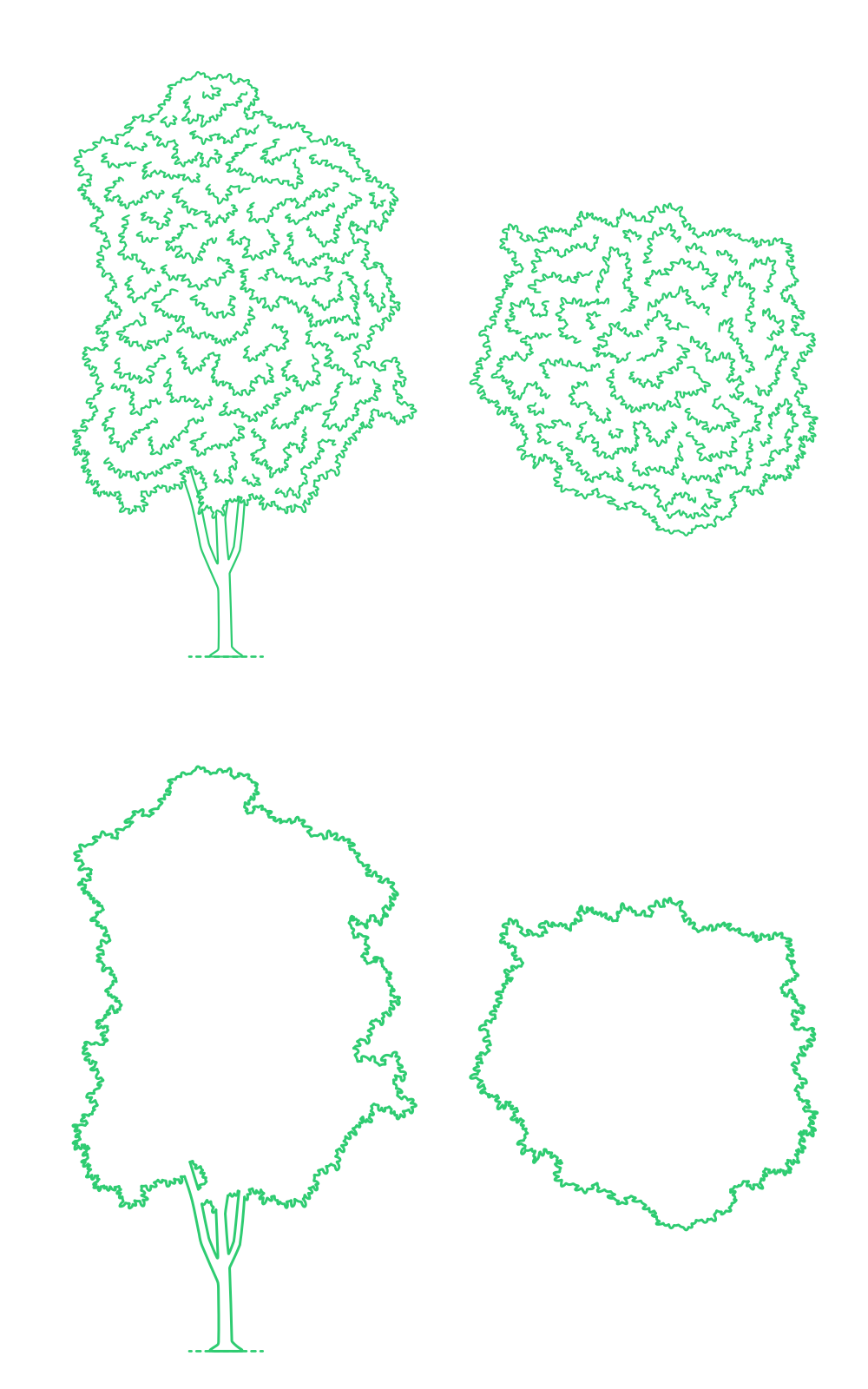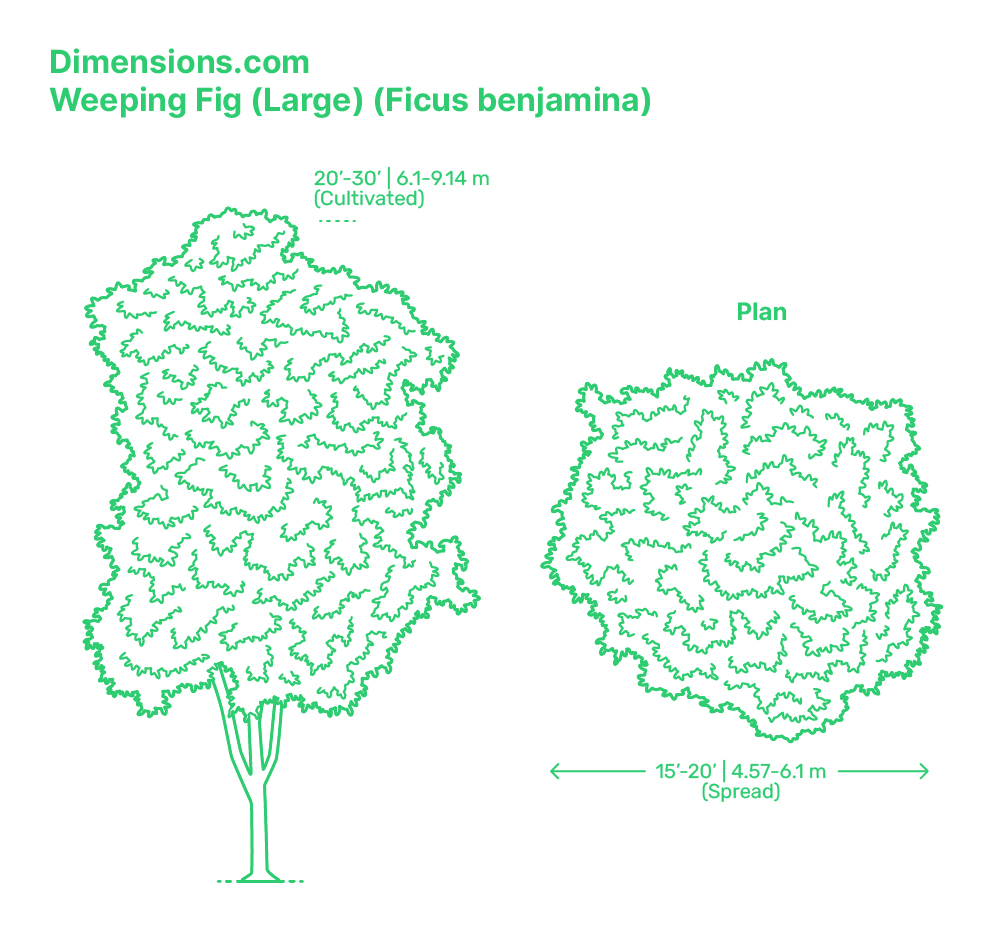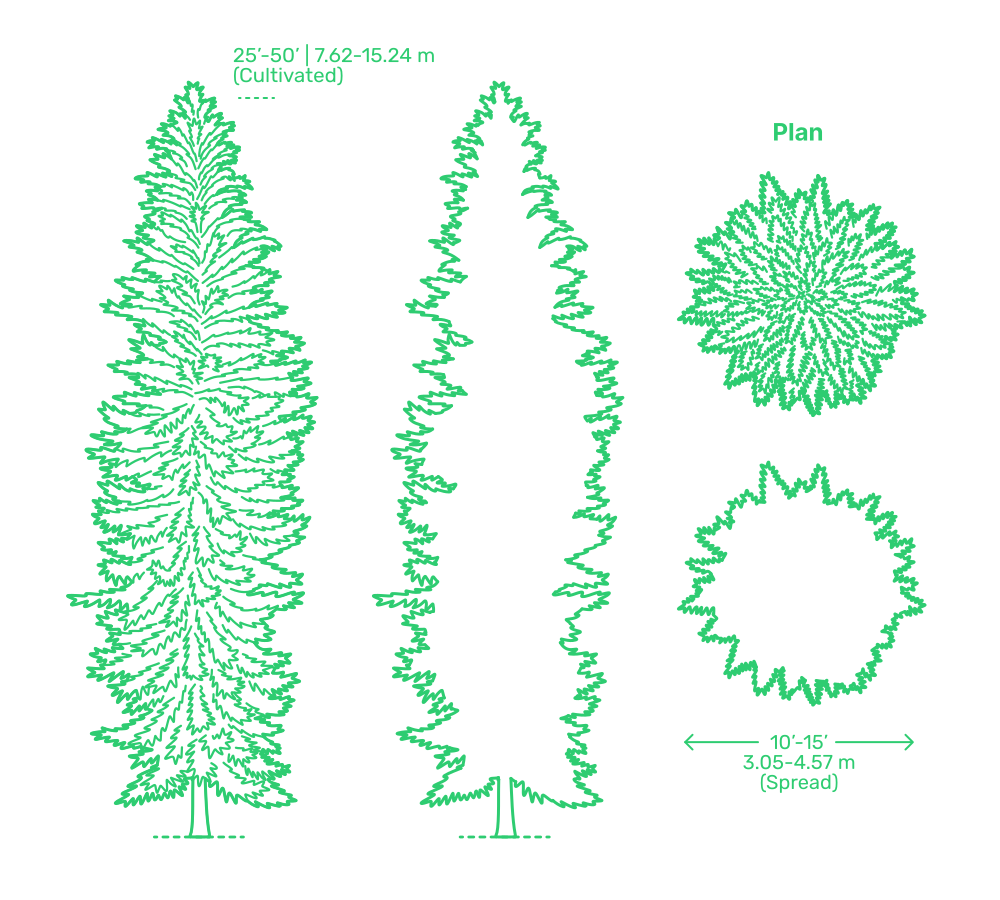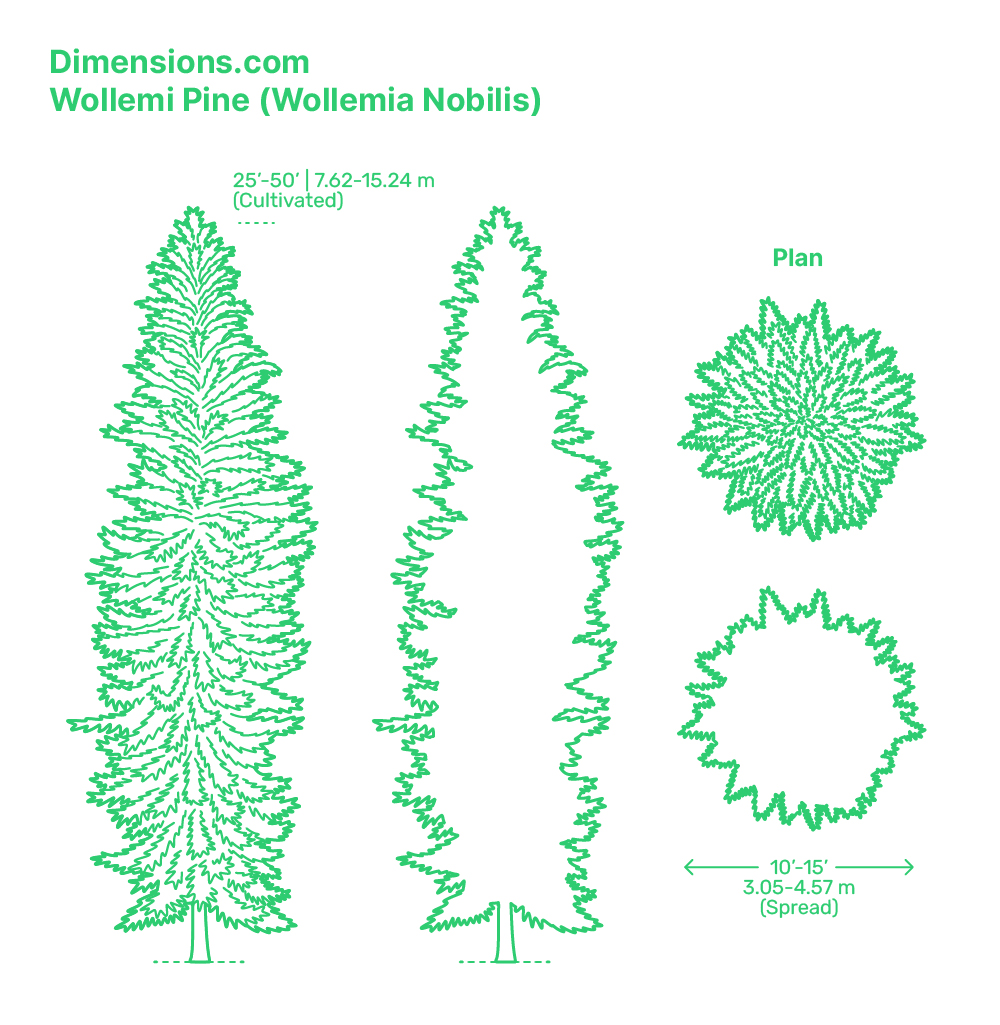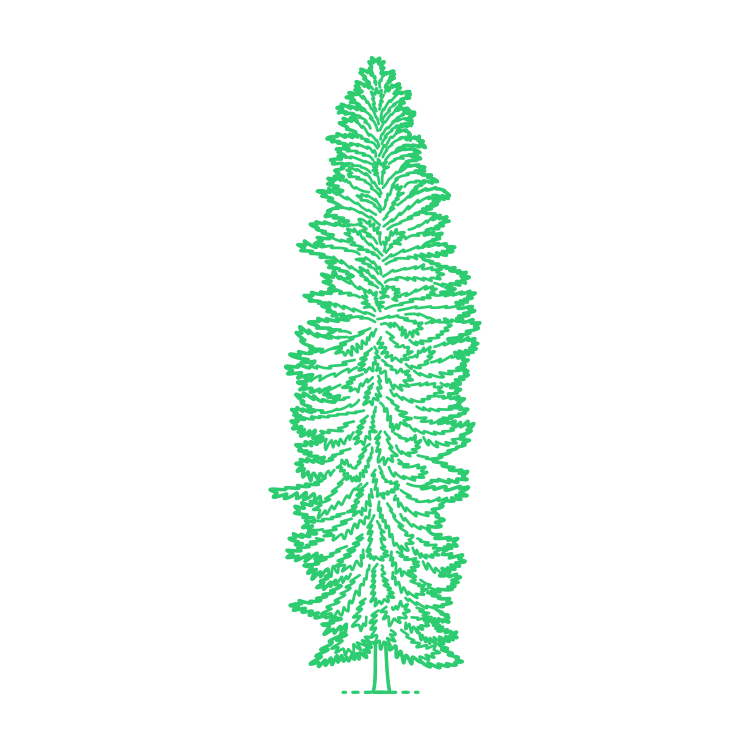
Trees considered monumental, iconic, or architectural are those that stand out for their striking form, impressive size, or defining presence in a landscape. These trees are often characterized by strong silhouettes, sculptural branching patterns, or commanding heights. Found across various climates and ecosystems, they can be native forest species, ancient remnants, or selected specimens in cultivated environments.
Their distinct forms often evolve as an adaptation to environmental pressures—such as wind, drought, or competition for light—resulting in unique growth habits over decades or centuries. Many of these trees are long-lived, slow-growing species with strong trunks and expansive canopies. Because of their scale and structure, they contribute visually to the organization of space, functioning like living landmarks within wild, rural, or urban habitats.
Monumental, iconic, or architectural trees typically have thick trunks, expansive canopies, and deeply rooted systems that support their large size and longevity. Their branches may spread widely or rise dramatically, depending on the species, and their bark often becomes textured or furrowed with age. These trees grow slowly, developing strong wood and structural adaptations that allow them to withstand harsh weather and long lifespans. Leaves may be large or small, but are often arranged to maximize light capture.
Many produce seeds through cones, nuts, or fruits, depending on whether they are conifers or flowering species. Growth patterns tend to favor symmetry or deliberate asymmetry, often creating a visually balanced or dramatic form. Over time, they become self-sustaining ecosystems, supporting mosses, fungi, and animal life within their structure.
Throughout human history, monumental and iconic trees have served as more than just natural landmarks—they've been gathering places, spiritual symbols, and sources of artistic inspiration. Cultures around the world have revered ancient trees for their longevity, using them in storytelling, mythology, and religious practice. Artists and architects often mimic their form, drawn to their sculptural presence and timeless structure. In daily life, these trees shape parks, plazas, and boulevards, offering shade, scale, and orientation.
Professionals in landscape design and urban planning use them to frame vistas or anchor large open spaces. Some individual trees gain fame, becoming tourist destinations or protected monuments. Whether viewed as sacred, aesthetic, or ecological icons, these trees continue to shape the way people understand place, permanence, and the passage of time.
In urban areas, monumental trees are often protected through heritage listings, municipal ordinances, and tree preservation orders. These protections may restrict pruning, removal, or nearby construction to prevent damage. Urban planners may adjust site layouts to preserve root zones, and arborists monitor tree health with specialized care. Educational signage and community programs also raise awareness about the tree’s value, encouraging stewardship and long-term conservation.
Certain trees around the world have gained fame for their remarkable size, shape, or cultural presence. The Dragon Blood Trees of Socotra, Japan’s ancient Jōmon Sugi on Yakushima Island, and California’s General Sherman Sequoia are often highlighted for their grandeur. These trees not only inspire awe through form but also serve as living landmarks, drawing visitors, artists, and nature enthusiasts to experience their iconic presence.
Preserving monumental trees supports biodiversity by offering habitat for birds, insects, and small mammals. Their extensive root systems stabilize soil, reduce erosion, and enhance water retention in surrounding ecosystems. These trees often store large amounts of carbon, helping regulate climate over long periods. Their longevity also provides continuity in forest structure, allowing unique ecological interactions and acting as living archives of environmental change across centuries.