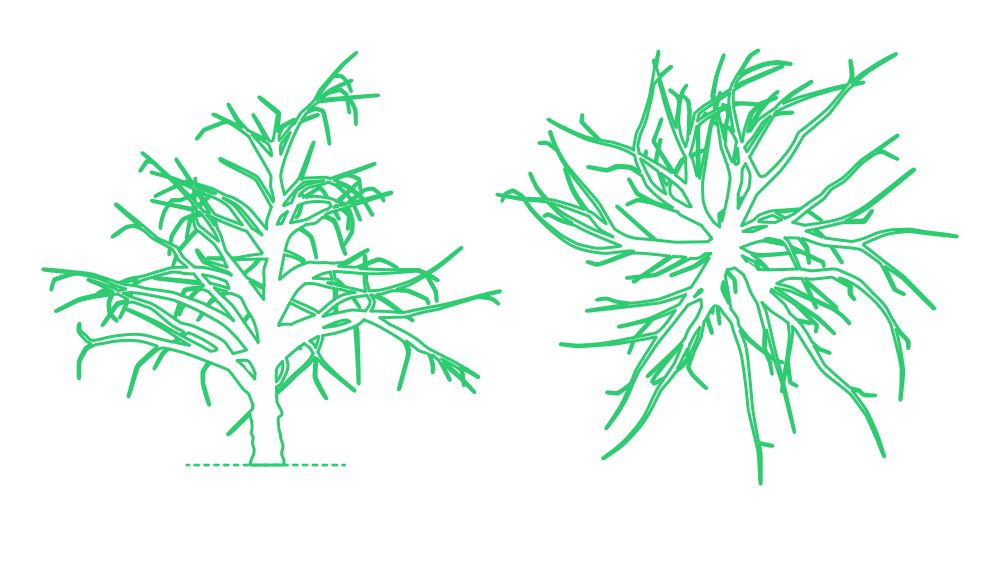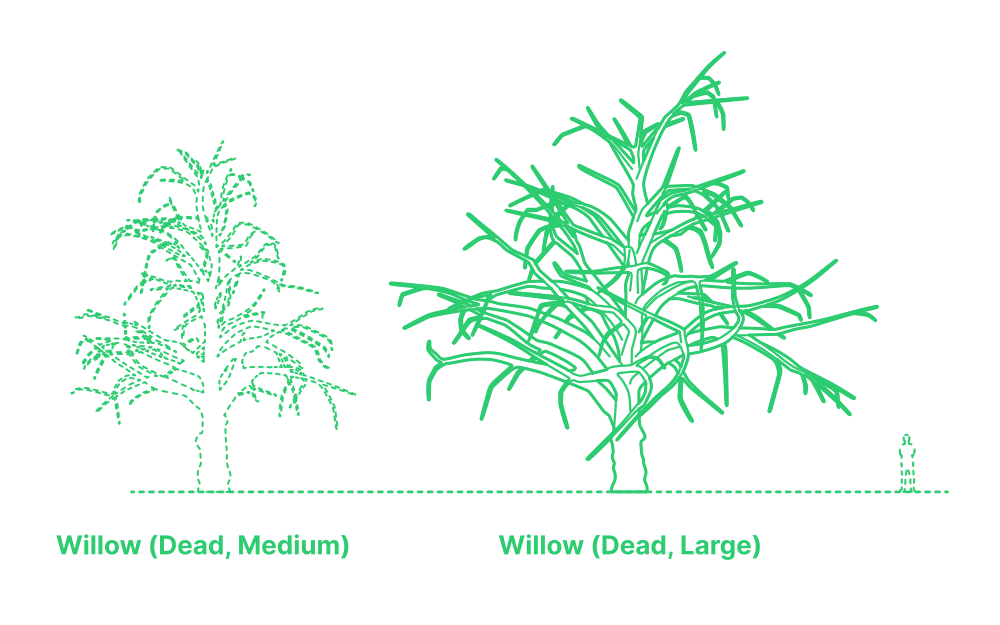
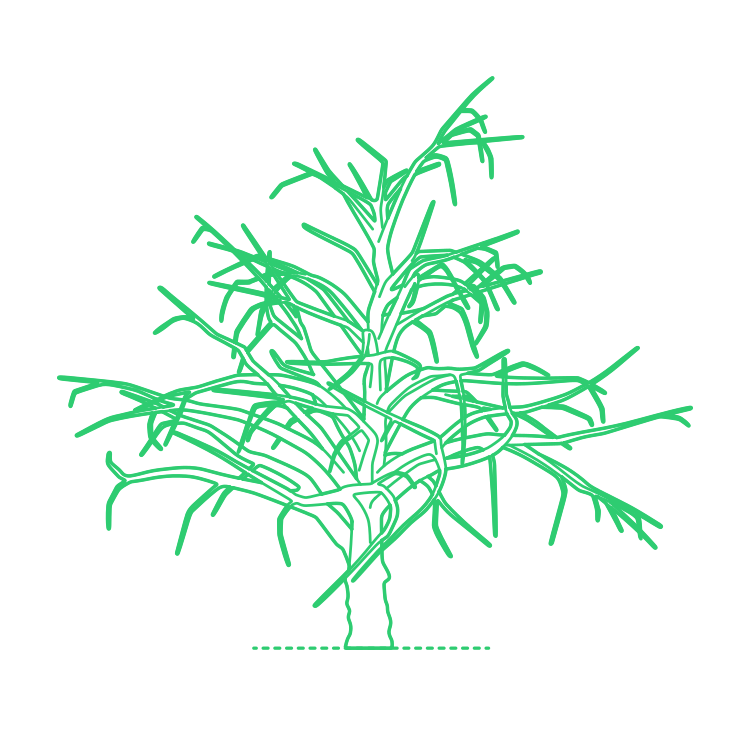
Willow Tree (Dead, Large) is the imposing form of a mature willow that has lost its vitality, leaving behind a skeletal frame marked by age and weathering. The broad trunk may appear hollowed, cracked, or split, while the long, drooping branches—once supple and leaf-filled—hang lifeless in twisted cascades. The bark often peels or darkens, and exposed wood reveals the scars of decay, storm damage, or drought.
Large dead willows are commonly found along riverbanks, wetlands, and low meadows where their living counterparts thrive, their remains continuing to shape the landscape long after their decline. Sometimes described as dead willows or fallen elders, they provide habitat for insects, fungi, and cavity-nesting birds, while slowly breaking down into the soil. Beyond ecological value, their dramatic silhouette evokes melancholy and resilience, symbolizing both the fragility of life and the enduring presence of trees within cycles of growth, death, and renewal.
Willow Trees (Dead, Large) have a typical overall height between 35’-50’ (10.67-15.24 m) and spread diameter of 40’-55’ (12.19-16.76 m).
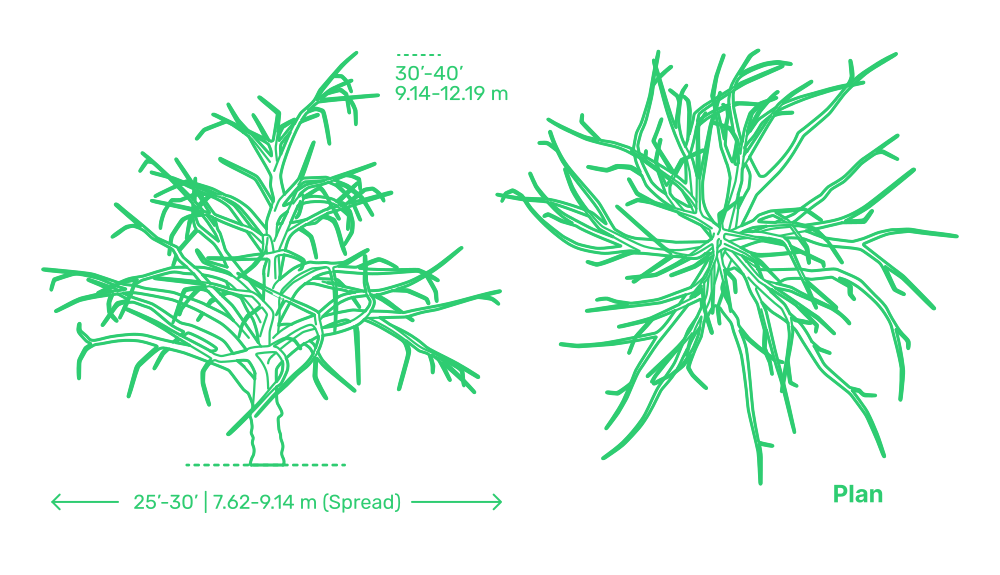
Willow Tree (Dead, Large) is the imposing form of a mature willow that has lost its vitality, leaving behind a skeletal frame marked by age and weathering. The broad trunk may appear hollowed, cracked, or split, while the long, drooping branches—once supple and leaf-filled—hang lifeless in twisted cascades. The bark often peels or darkens, and exposed wood reveals the scars of decay, storm damage, or drought.
Large dead willows are commonly found along riverbanks, wetlands, and low meadows where their living counterparts thrive, their remains continuing to shape the landscape long after their decline. Sometimes described as dead willows or fallen elders, they provide habitat for insects, fungi, and cavity-nesting birds, while slowly breaking down into the soil. Beyond ecological value, their dramatic silhouette evokes melancholy and resilience, symbolizing both the fragility of life and the enduring presence of trees within cycles of growth, death, and renewal.
Willow Trees (Dead, Large) have a typical overall height between 35’-50’ (10.67-15.24 m) and spread diameter of 40’-55’ (12.19-16.76 m).