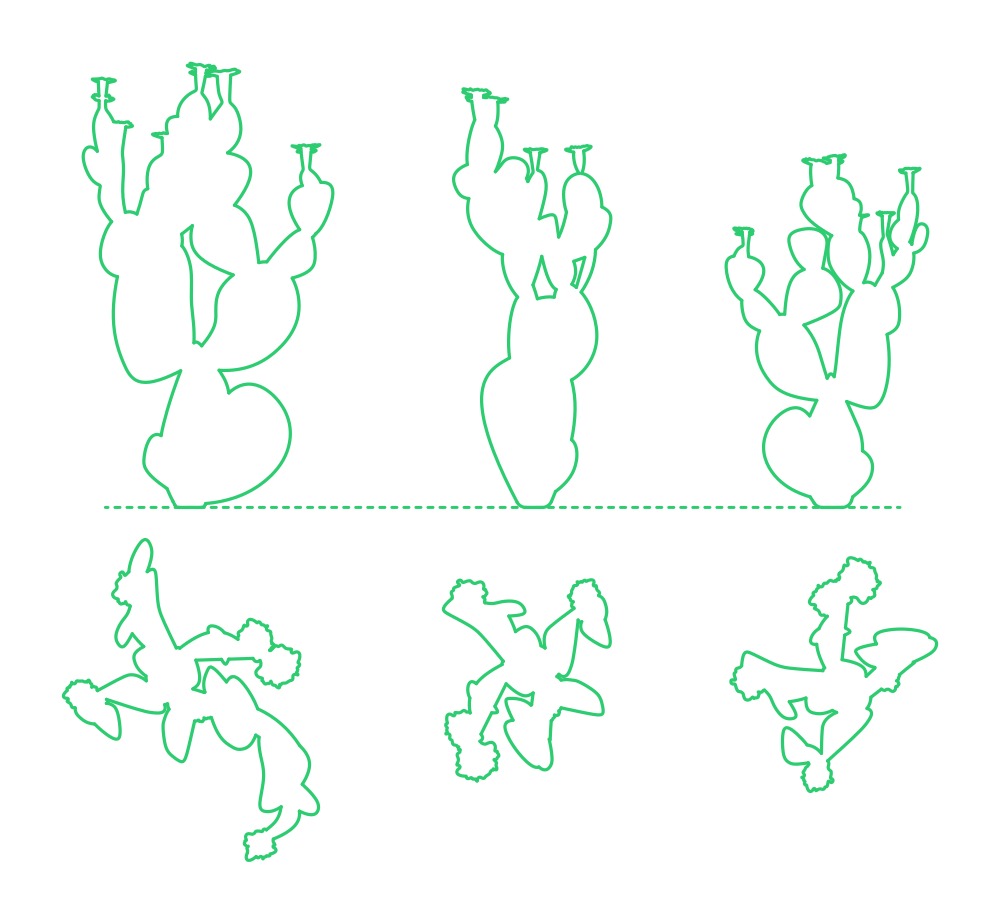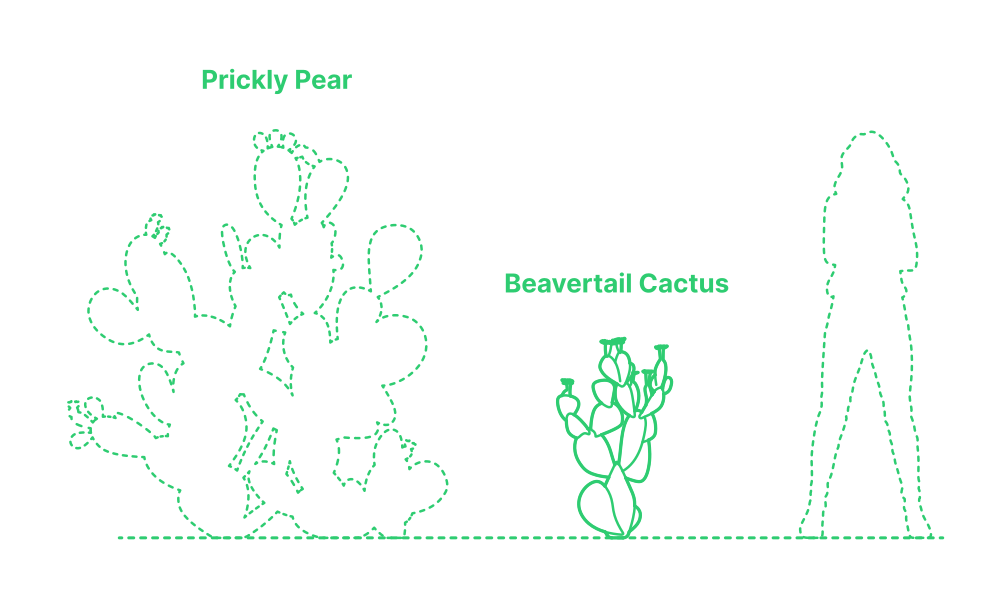
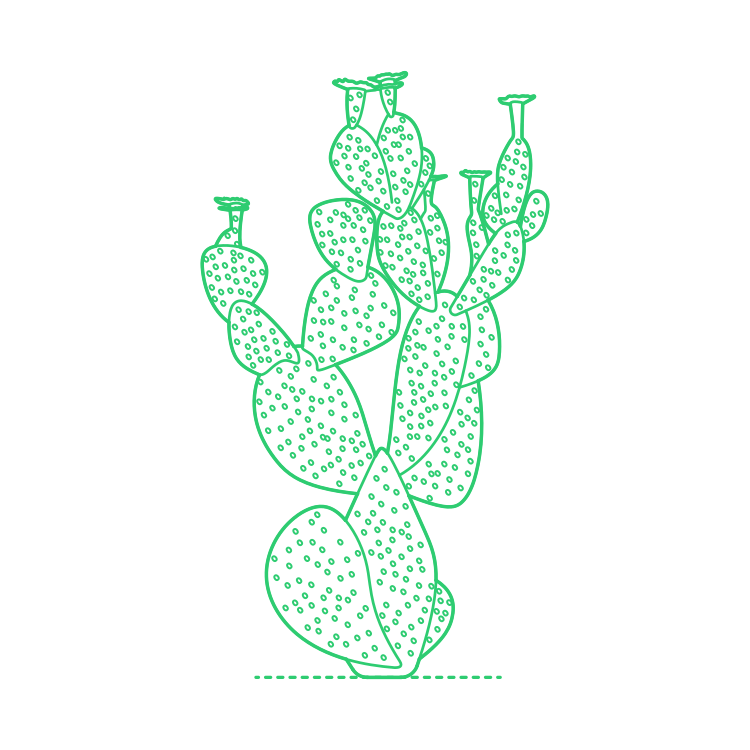
The Beavertail Cactus (Opuntia basilaris) is a low-growing, pad-forming cactus native to arid desert regions of the southwestern United States, particularly the Mojave and Sonoran Deserts. It is named for its wide, flat, oval pads that resemble the shape of a beaver’s tail, typically colored dusty blue-gray with a soft, velvety texture. Unlike many cacti, it lacks long spines, instead having small, barbed bristles called glochids.
In spring, it produces vibrant magenta to pink flowers, creating a striking contrast against the muted pads. These blooms are pollinated by native bees and are followed by small, edible fruits. Also referred to as Basilaris Prickly Pear, the Beavertail Cactus thrives in rocky, sandy soils and is adapted to extreme drought and temperature variations. It plays an important ecological role in desert ecosystems, providing food and habitat for insects, birds, and small mammals. Its sculptural form also makes it a popular choice in xeriscaping.
Beavertail Cactus has a typical overall height between 1’-3’ (30-91 cm) and spread diameter of 2’-4’ (61-122 cm).
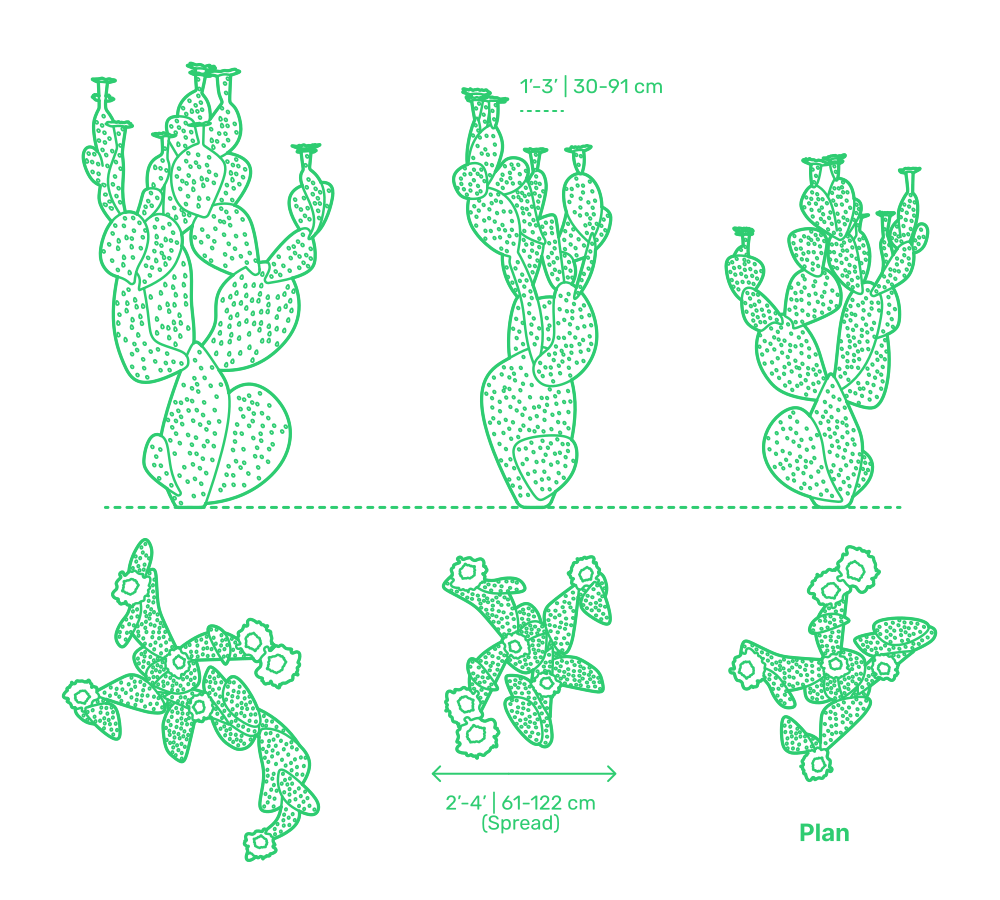
The Beavertail Cactus (Opuntia basilaris) is a low-growing, pad-forming cactus native to arid desert regions of the southwestern United States, particularly the Mojave and Sonoran Deserts. It is named for its wide, flat, oval pads that resemble the shape of a beaver’s tail, typically colored dusty blue-gray with a soft, velvety texture. Unlike many cacti, it lacks long spines, instead having small, barbed bristles called glochids.
In spring, it produces vibrant magenta to pink flowers, creating a striking contrast against the muted pads. These blooms are pollinated by native bees and are followed by small, edible fruits. Also referred to as Basilaris Prickly Pear, the Beavertail Cactus thrives in rocky, sandy soils and is adapted to extreme drought and temperature variations. It plays an important ecological role in desert ecosystems, providing food and habitat for insects, birds, and small mammals. Its sculptural form also makes it a popular choice in xeriscaping.
Beavertail Cactus has a typical overall height between 1’-3’ (30-91 cm) and spread diameter of 2’-4’ (61-122 cm).