
Tamarind (Tamarindus indica) is a broad-canopied tropical tree recognized for its dense feathery foliage, twisting trunk structure, and elongated pod-like fruits. The leaves are finely compound and composed of numerous small leaflets arranged symmetrically along delicate stems, giving the canopy a soft, textured appearance despite the tree’s heavy structural form. Native to tropical Africa but widely cultivated throughout South Asia and other warm regions, Tamarindus indica thrives in dry tropical woodlands and monsoon climates.
The species is biologically notable for its edible fruit pulp, which develops within curved seed pods and contains high concentrations of tart organic acids. Tamarind trees are long-lived and highly resilient, tolerating heat, drought, and seasonal variation. In mature form, Tamarindus indica emphasizes expansive canopy spread, deeply textured foliage, and massive branching architecture, creating one of the most iconic silhouettes among tropical fruit-bearing trees.
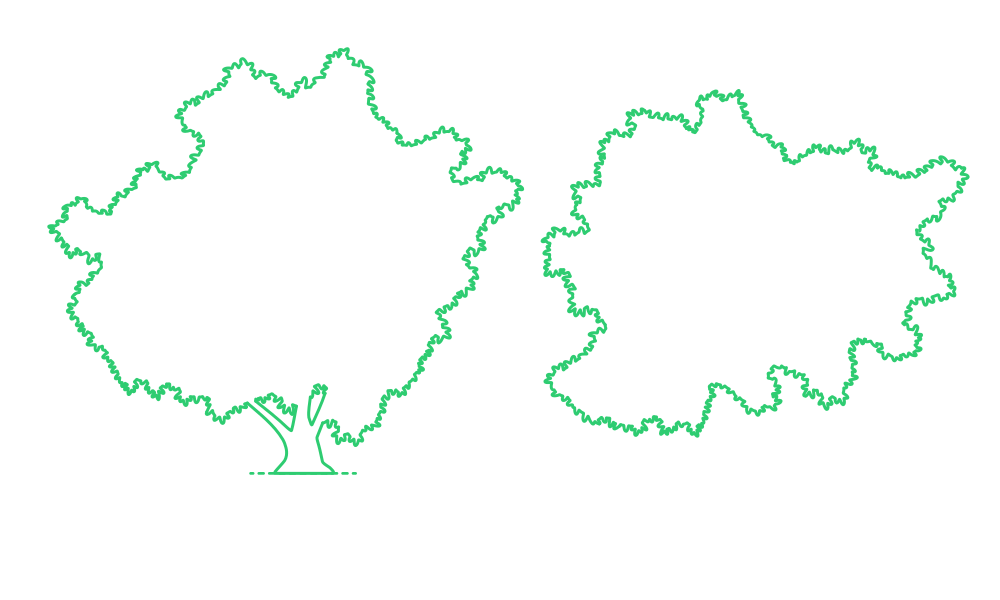
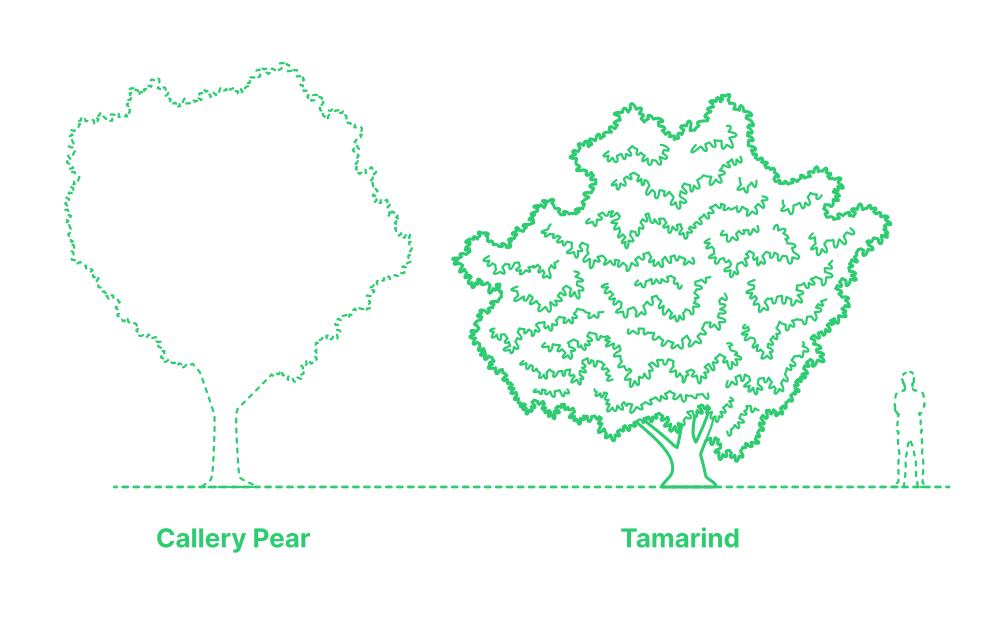
Tamarind have a typical cultivated height between 15’-25’ (4.57-7.62 m) and spread diameter of 20’-25’ (6.1-7.62 m). The leaves have a typical length between 2”-6” (5-15 cm).
Tamarind (Tamarindus indica) is a broad-canopied tropical tree recognized for its dense feathery foliage, twisting trunk structure, and elongated pod-like fruits. The leaves are finely compound and composed of numerous small leaflets arranged symmetrically along delicate stems, giving the canopy a soft, textured appearance despite the tree’s heavy structural form. Native to tropical Africa but widely cultivated throughout South Asia and other warm regions, Tamarindus indica thrives in dry tropical woodlands and monsoon climates.
The species is biologically notable for its edible fruit pulp, which develops within curved seed pods and contains high concentrations of tart organic acids. Tamarind trees are long-lived and highly resilient, tolerating heat, drought, and seasonal variation. In mature form, Tamarindus indica emphasizes expansive canopy spread, deeply textured foliage, and massive branching architecture, creating one of the most iconic silhouettes among tropical fruit-bearing trees.
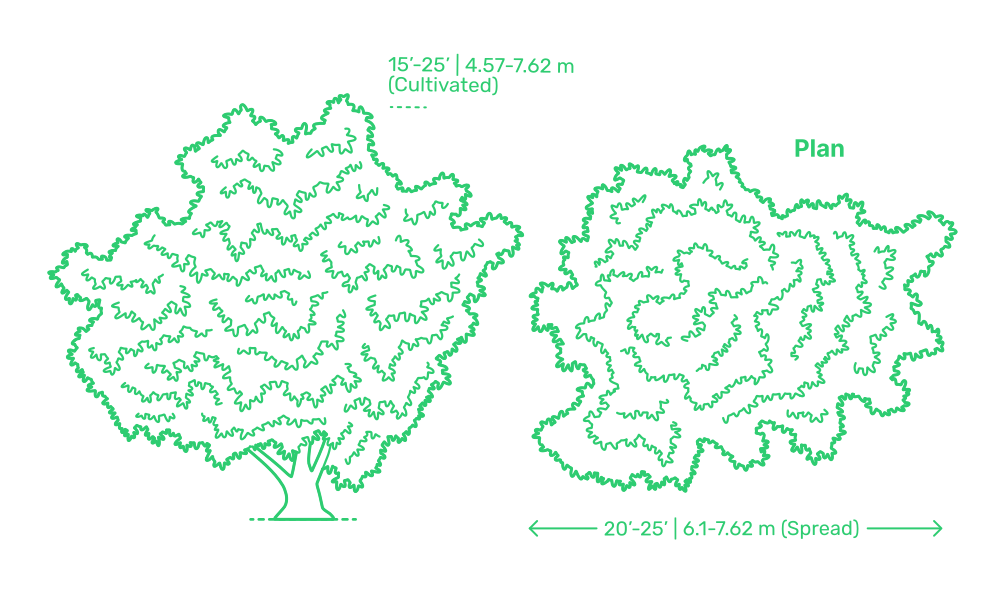
Tamarind have a typical cultivated height between 15’-25’ (4.57-7.62 m) and spread diameter of 20’-25’ (6.1-7.62 m). The leaves have a typical length between 2”-6” (5-15 cm).