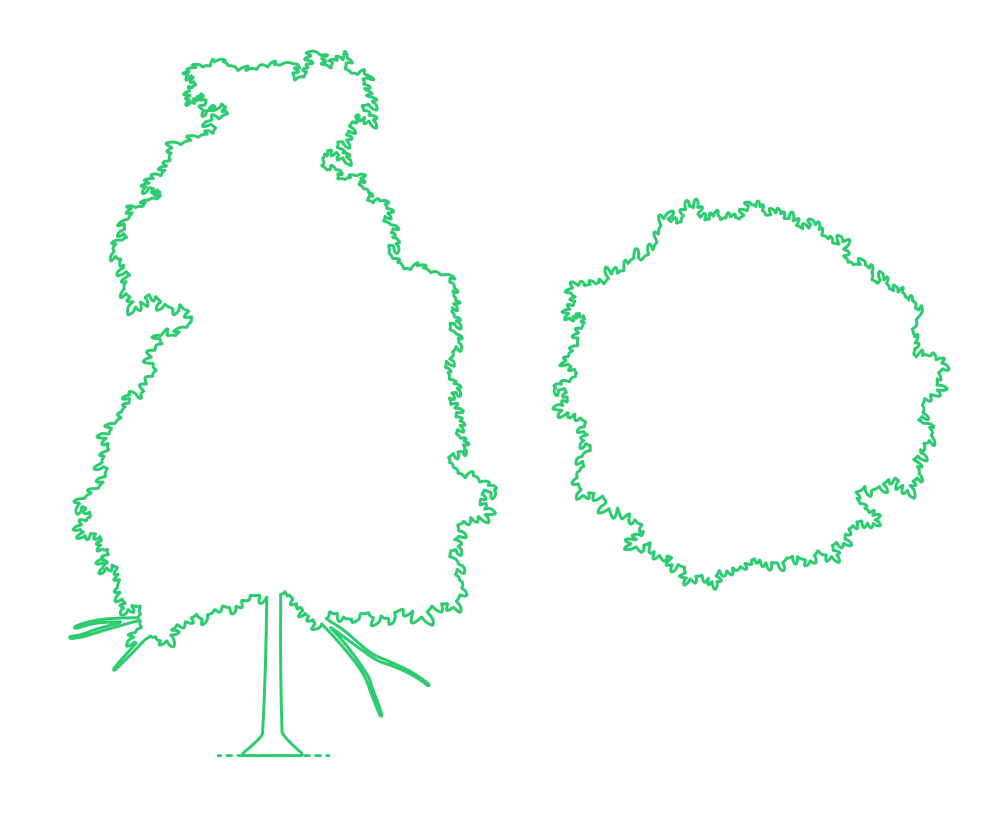
Manchurian Angelica Tree (Aralia mandschurica)
Manchurian Angelica Tree (Aralia mandschurica)
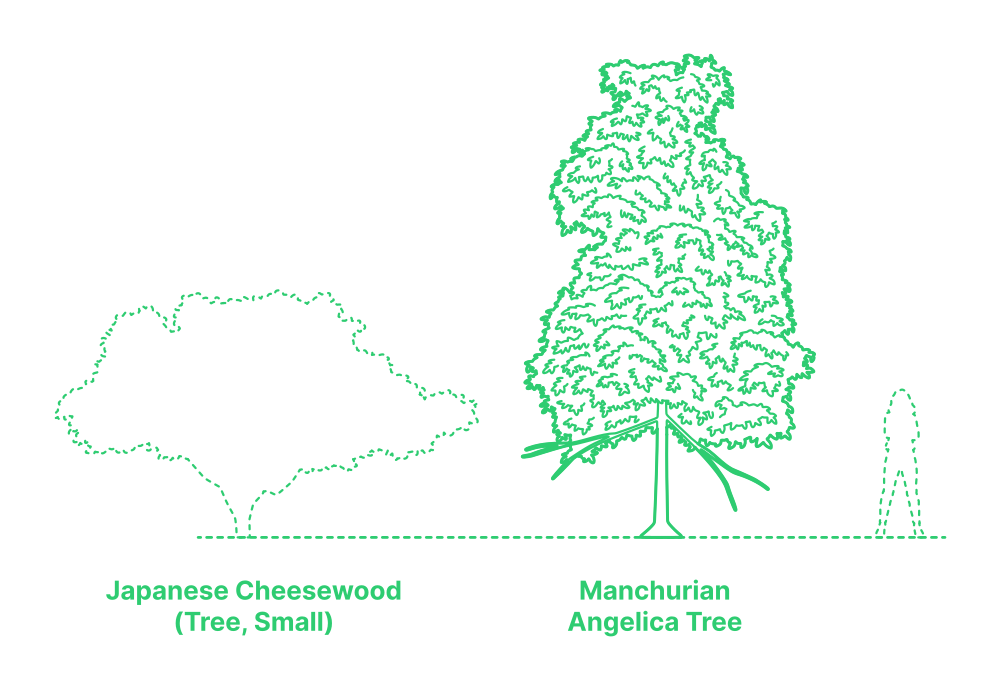
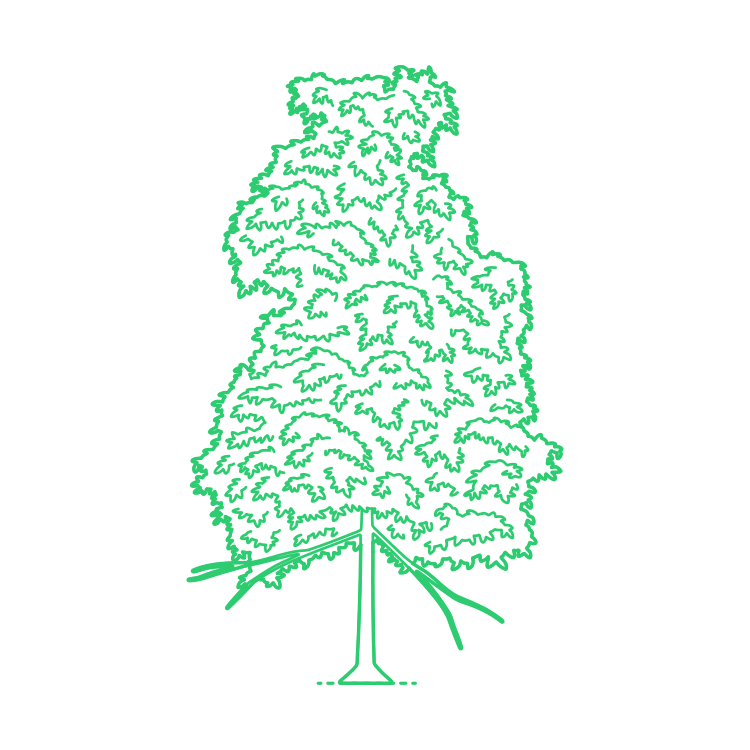
Manchurian angelica tree (Aralia mandschurica) develops as a dramatic deciduous tree-like plant with thick upright stems and a sparse branching habit that creates a highly sculptural silhouette. The plant is distinguished by its large compound leaves, which emerge in broad umbrella-like clusters at the tips of branches, giving the canopy a bold and tropical appearance despite its temperate origins.
The stems are often lightly armed with spines and possess a coarse, textured surface that reinforces the plant’s rugged visual character. Native to northeastern Asia, including parts of China, Korea, and Russia, Aralia mandschurica naturally grows in woodland edges and mountainous forest clearings. A defining biological trait is its vigorous suckering habit, which allows it to form colonies over time. The species produces large flowering clusters followed by dark berry-like fruits that attract wildlife. Aralia mandschurica is notable for combining oversized foliage, sparse branching, and dramatic upright structure into one of the most architectural deciduous miniature tree forms.
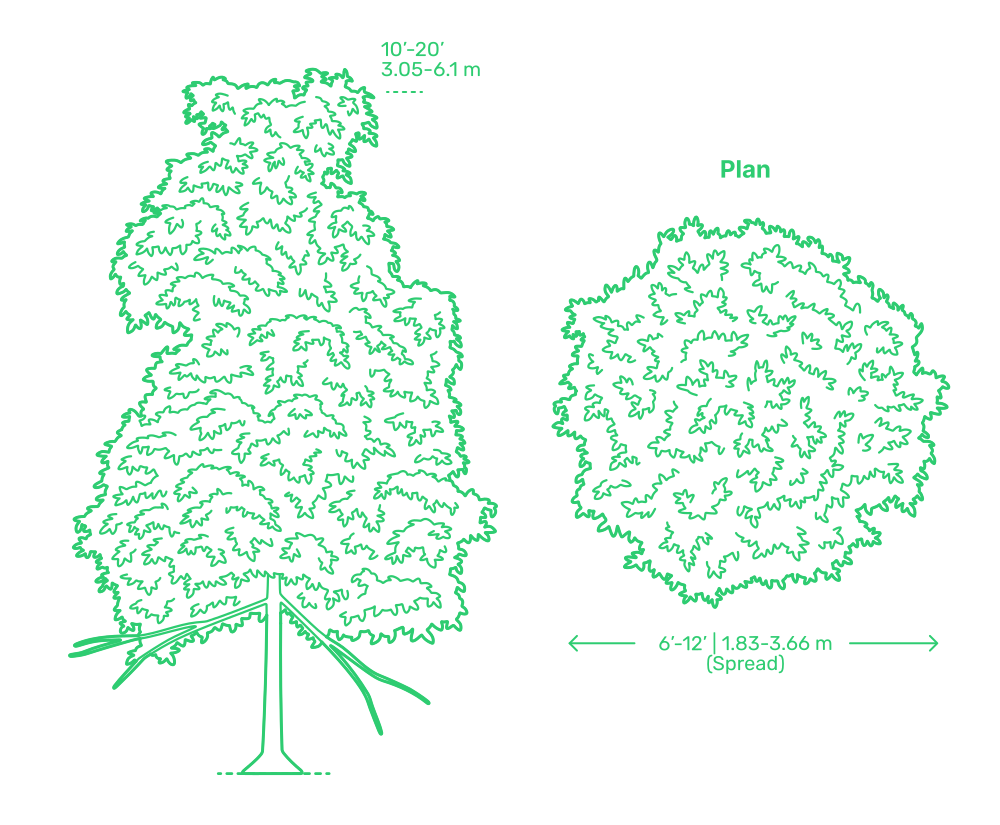
Manchurian Angelica Tree has a typical overall height between 10’-20’ (3.05-6.1 m) and spread diameter of 6’-12’ (1.83-3.66 m). The leaves have a typical length between 2”-5” (5-13 cm).
Manchurian angelica tree (Aralia mandschurica) develops as a dramatic deciduous tree-like plant with thick upright stems and a sparse branching habit that creates a highly sculptural silhouette. The plant is distinguished by its large compound leaves, which emerge in broad umbrella-like clusters at the tips of branches, giving the canopy a bold and tropical appearance despite its temperate origins.
The stems are often lightly armed with spines and possess a coarse, textured surface that reinforces the plant’s rugged visual character. Native to northeastern Asia, including parts of China, Korea, and Russia, Aralia mandschurica naturally grows in woodland edges and mountainous forest clearings. A defining biological trait is its vigorous suckering habit, which allows it to form colonies over time. The species produces large flowering clusters followed by dark berry-like fruits that attract wildlife. Aralia mandschurica is notable for combining oversized foliage, sparse branching, and dramatic upright structure into one of the most architectural deciduous miniature tree forms.
Manchurian Angelica Tree has a typical overall height between 10’-20’ (3.05-6.1 m) and spread diameter of 6’-12’ (1.83-3.66 m). The leaves have a typical length between 2”-5” (5-13 cm).