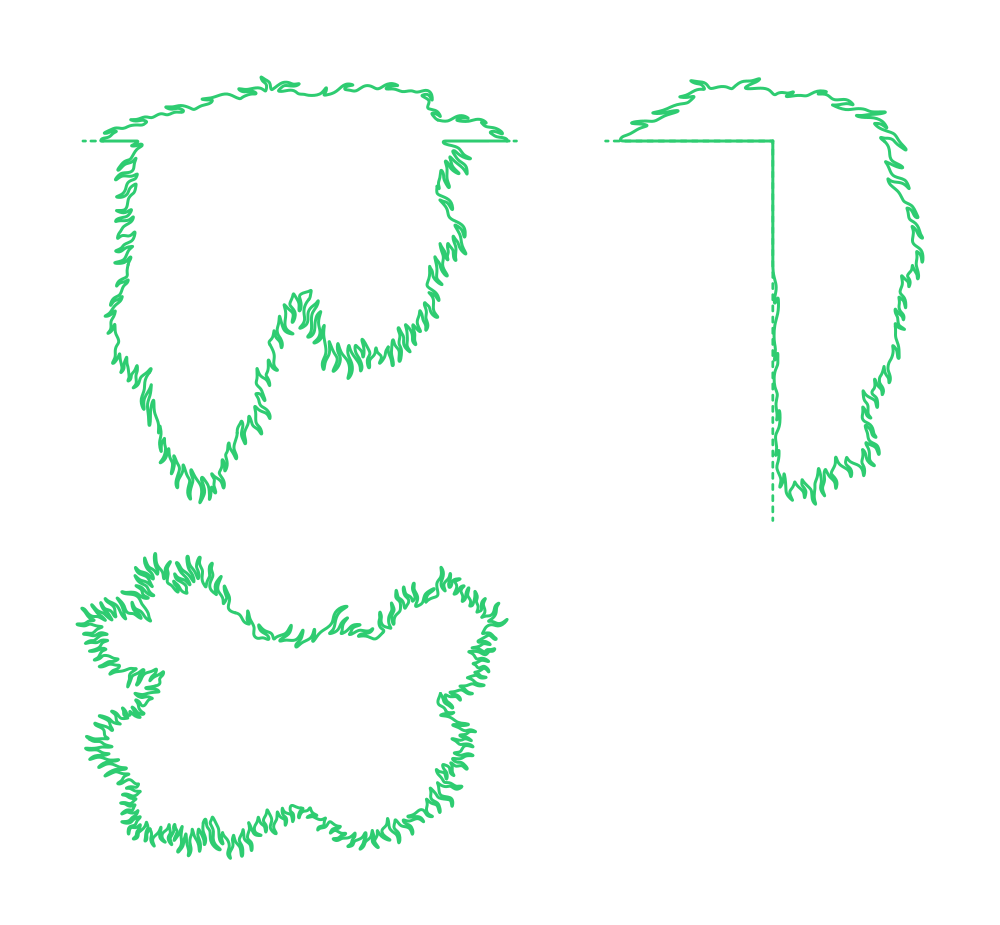
River Wattle (Hanging, Large) (Acacia cognata)
River Wattle (Hanging, Large) (Acacia cognata)
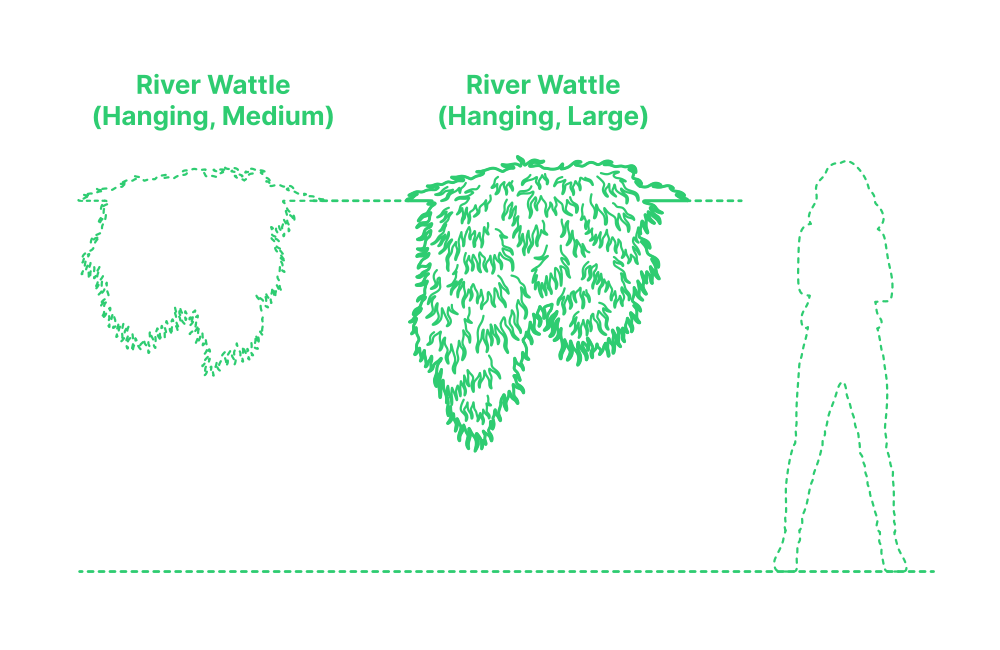
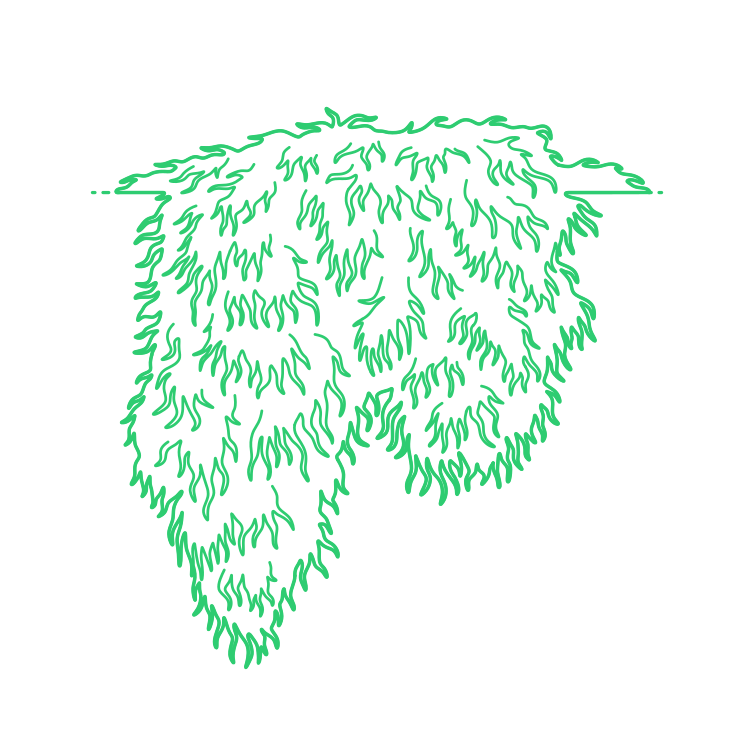
River wattle (Acacia cognata) in a large form develops as a flowing woody perennial with arching branches and finely textured foliage. The plant produces long, narrow phyllodes that resemble leaves, arranged densely along the stems and creating a soft, cascading canopy. The branches extend outward and downward, forming a layered structure.
Native to Australia, Acacia cognata commonly grows along riverbanks and open woodland environments where water availability varies seasonally. The species is biologically notable for its adaptation to drought conditions and its nitrogen-fixing capability through symbiotic root associations. In its large form, river wattle emphasizes fluid branching and extensive foliage, reflecting its adaptation to dynamic landscapes and its role in stabilizing soils and supporting ecological systems.
River Wattle (Hanging, Large) has a typical cultivated length/height between 3’-6’ (.91-1.83 m) and spread of 3’-6’ (.91-1.83 m).
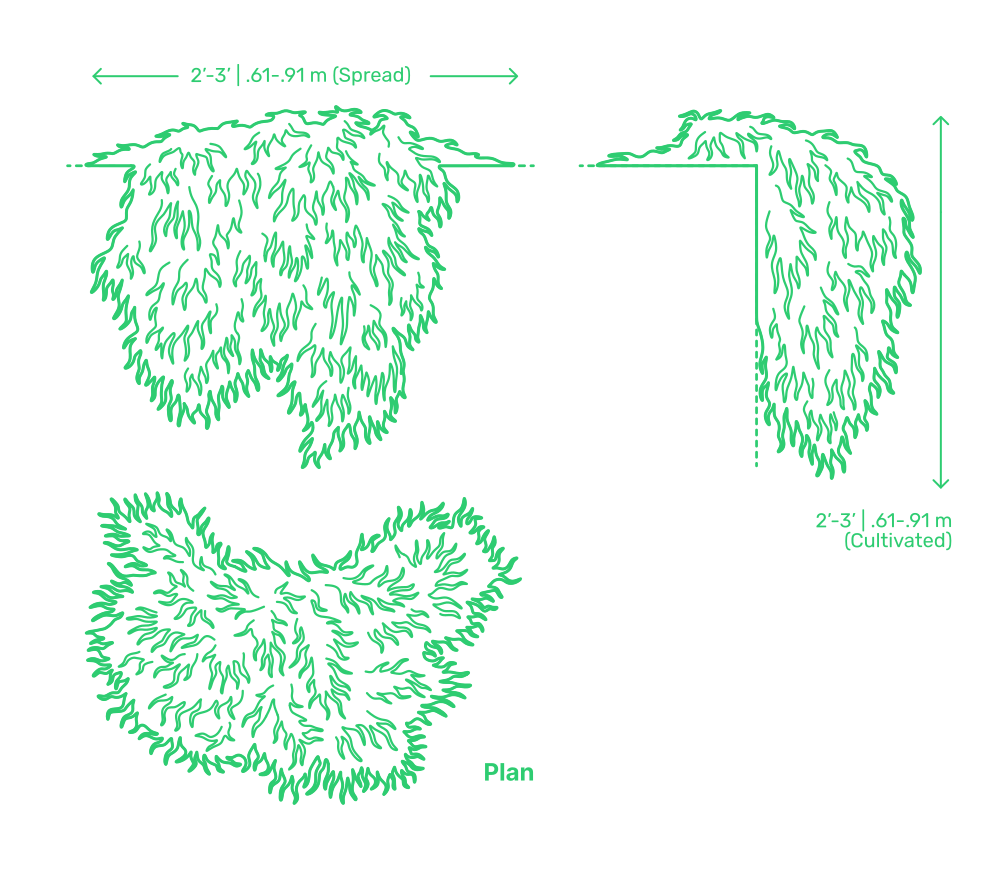
River wattle (Acacia cognata) in a large form develops as a flowing woody perennial with arching branches and finely textured foliage. The plant produces long, narrow phyllodes that resemble leaves, arranged densely along the stems and creating a soft, cascading canopy. The branches extend outward and downward, forming a layered structure.
Native to Australia, Acacia cognata commonly grows along riverbanks and open woodland environments where water availability varies seasonally. The species is biologically notable for its adaptation to drought conditions and its nitrogen-fixing capability through symbiotic root associations. In its large form, river wattle emphasizes fluid branching and extensive foliage, reflecting its adaptation to dynamic landscapes and its role in stabilizing soils and supporting ecological systems.
River Wattle (Hanging, Large) has a typical cultivated length/height between 3’-6’ (.91-1.83 m) and spread of 3’-6’ (.91-1.83 m).