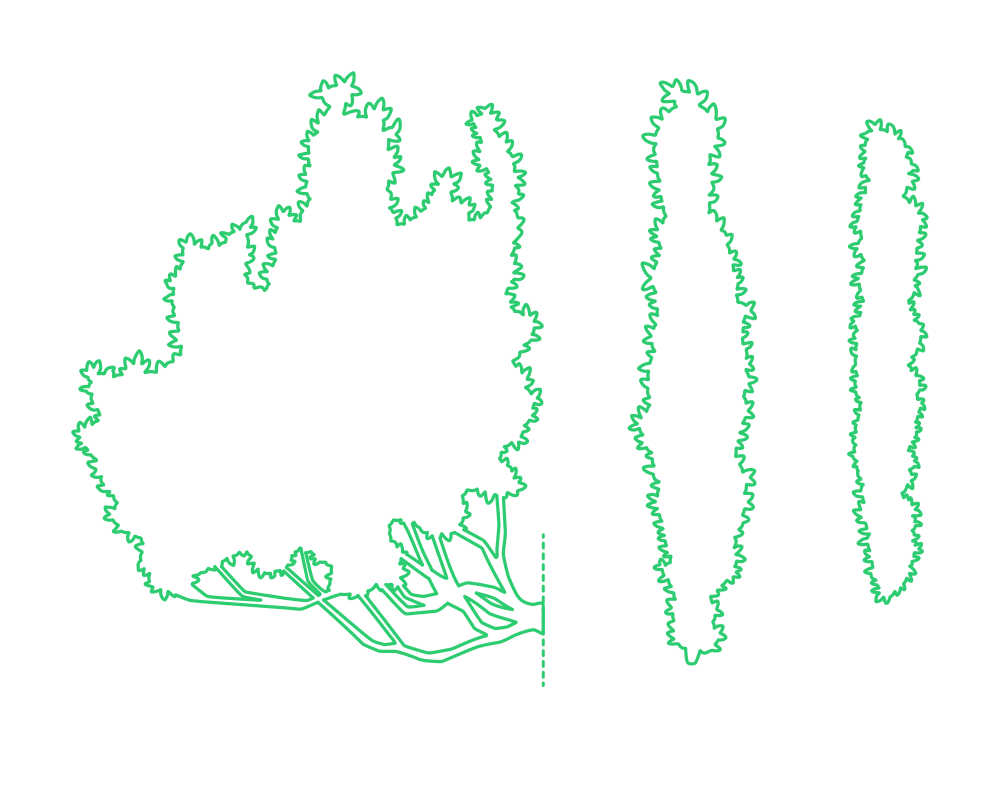
Common Ivy (Climbing, Side) (Hedera helix)
Common Ivy (Climbing, Side) (Hedera helix)
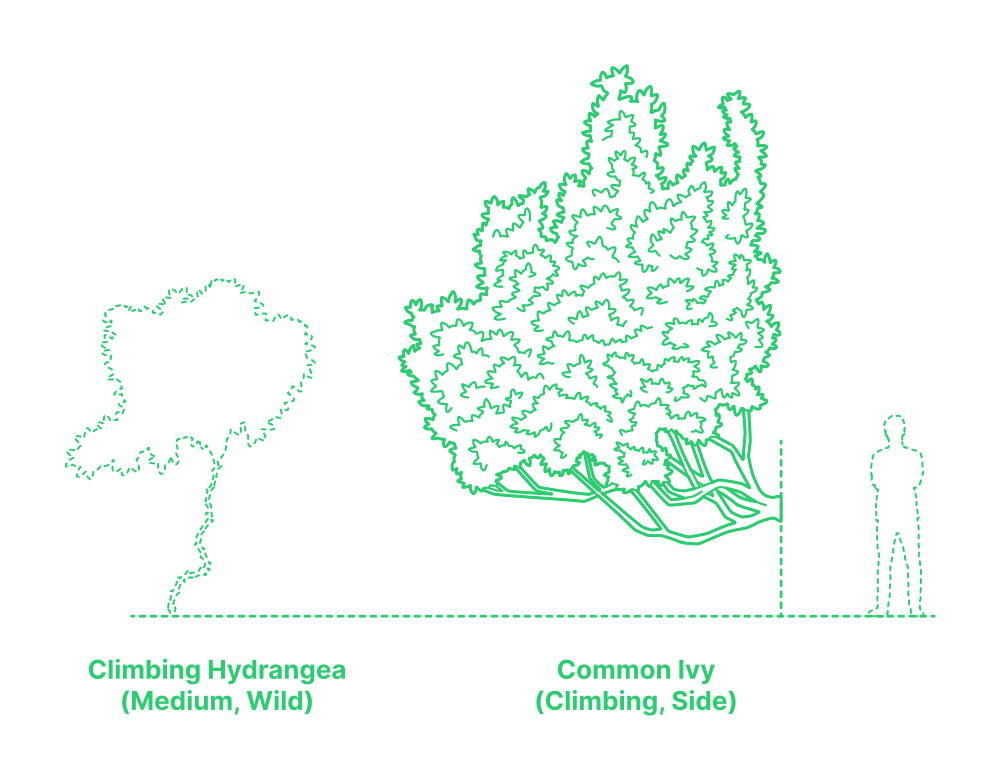
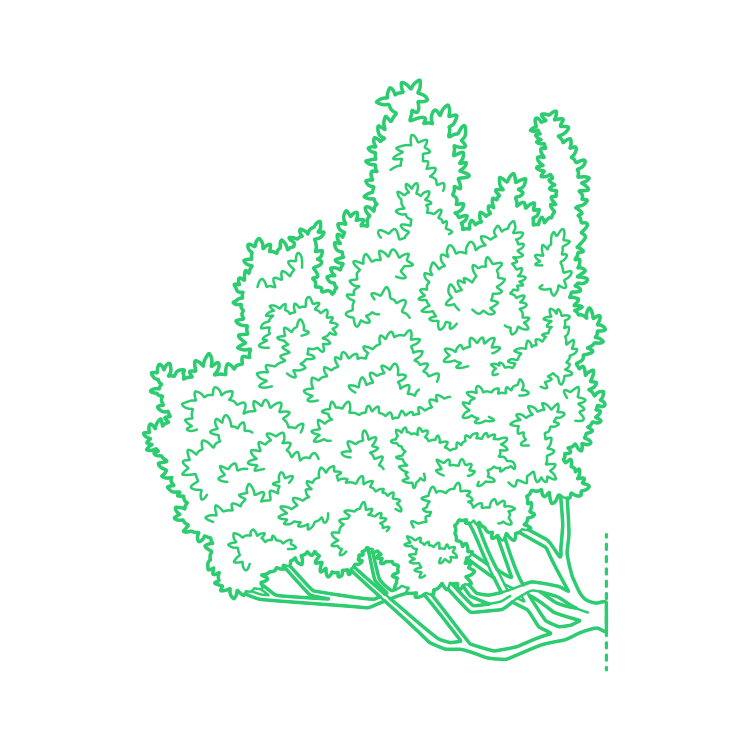
In a climbing side form, common ivy (Hedera helix) develops from a lateral origin, extending across a vertical surface in a predominantly horizontal direction before continuing upward or outward. The stems attach through aerial rootlets, maintaining close contact with the surface as they spread. Leaves remain lobed and densely arranged, forming a continuous layer along the vine’s path.
Native to temperate regions of Europe and western Asia, Hedera helix often grows along walls, tree trunks, and shaded slopes. The species is biologically notable for its flexible growth orientation, responding to light and available surfaces. In this side-origin form, the plant emphasizes lateral expansion followed by vertical climbing, demonstrating its adaptability in navigating complex environmental conditions.
Common Ivy (Climbing, Side) has a typical cultivated height between 10’-16’ (3.05-4.88 m) and spread of 10’-16’ (3.05-4.88 m). The leaf length is between 2”-4” (5-10 cm).
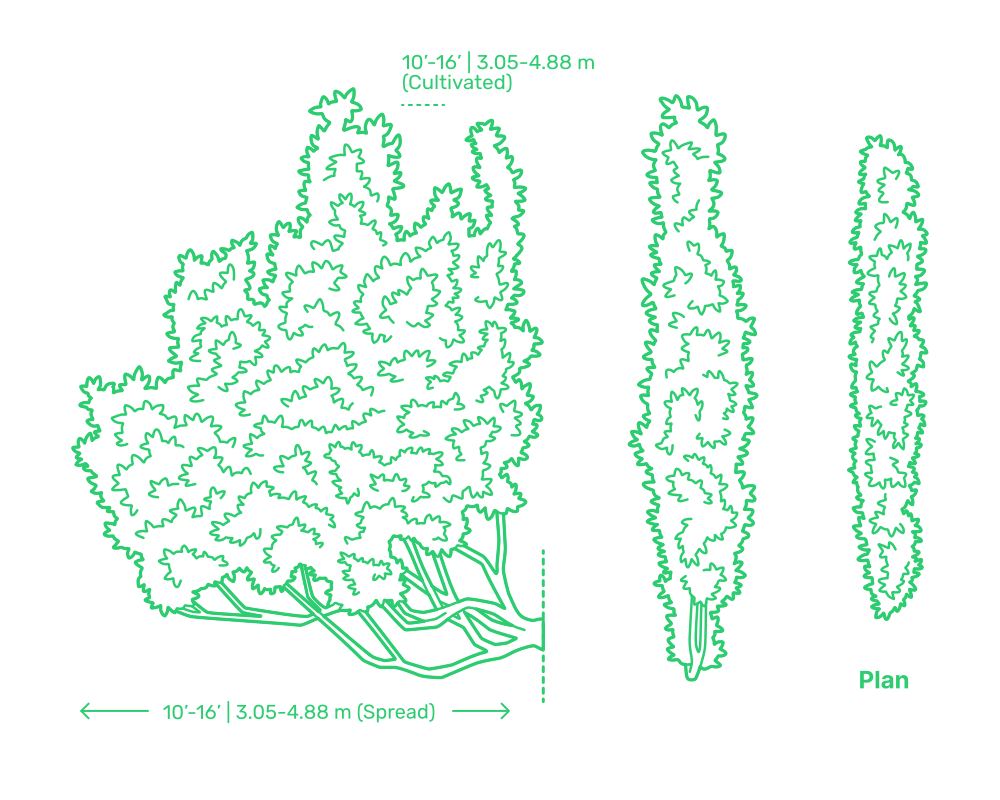
In a climbing side form, common ivy (Hedera helix) develops from a lateral origin, extending across a vertical surface in a predominantly horizontal direction before continuing upward or outward. The stems attach through aerial rootlets, maintaining close contact with the surface as they spread. Leaves remain lobed and densely arranged, forming a continuous layer along the vine’s path.
Native to temperate regions of Europe and western Asia, Hedera helix often grows along walls, tree trunks, and shaded slopes. The species is biologically notable for its flexible growth orientation, responding to light and available surfaces. In this side-origin form, the plant emphasizes lateral expansion followed by vertical climbing, demonstrating its adaptability in navigating complex environmental conditions.
Common Ivy (Climbing, Side) has a typical cultivated height between 10’-16’ (3.05-4.88 m) and spread of 10’-16’ (3.05-4.88 m). The leaf length is between 2”-4” (5-10 cm).