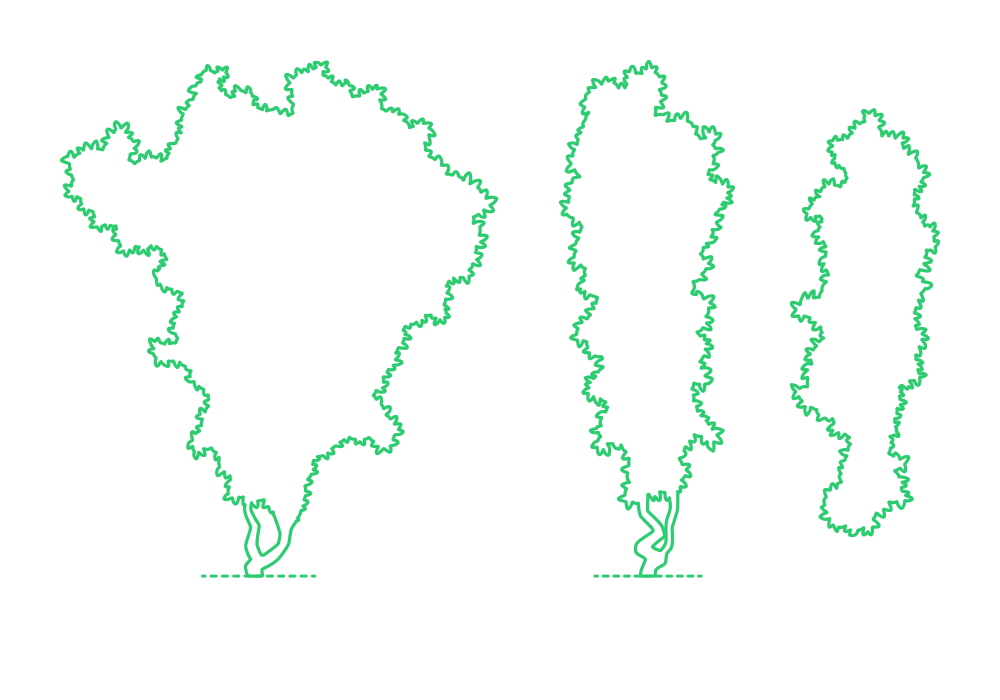
Common Ivy (Climbing, Spread) (Hedera helix)
Common Ivy (Climbing, Spread) (Hedera helix)
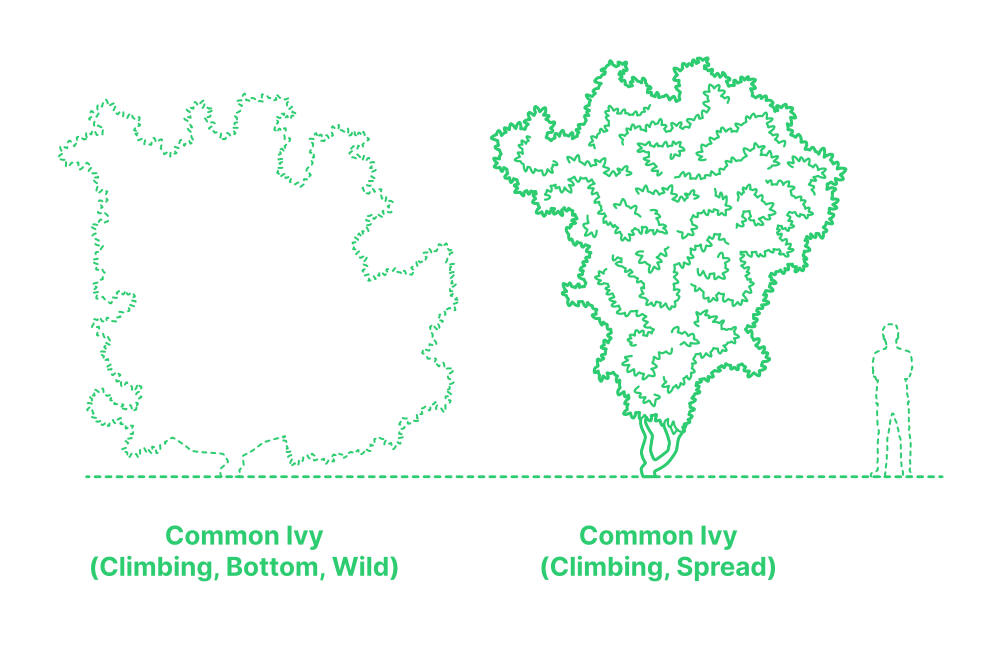
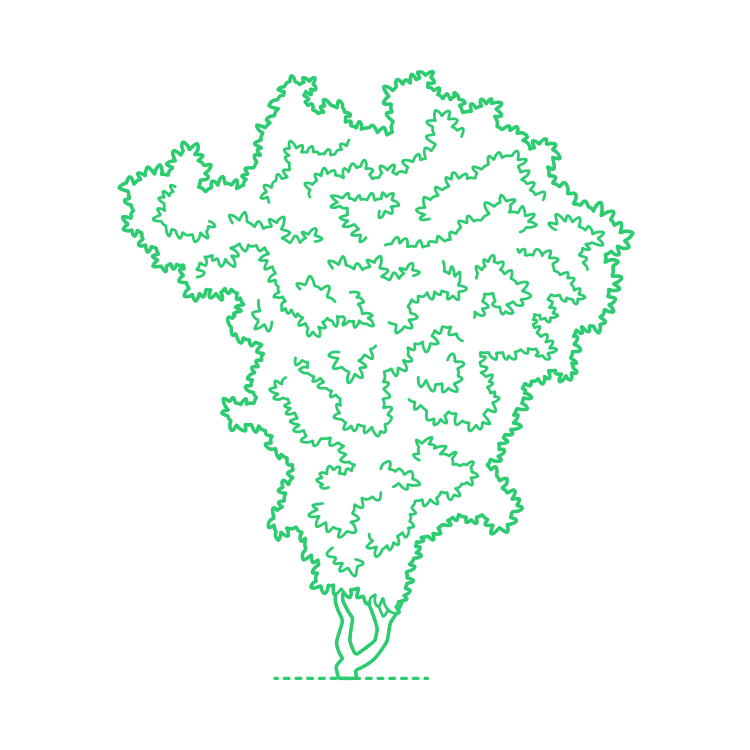
Common ivy (Hedera helix) in a climbing spread form develops as a broadly distributed vine covering a vertical surface in multiple directions. The stems branch extensively, producing a network of interconnected growth that attaches firmly through aerial rootlets. Leaves are lobed and arranged alternately, creating a dense and continuous evergreen layer.
Native to Europe and western Asia, Hedera helix thrives in shaded forests, rocky habitats, and urban environments. The species is notable for its aggressive surface coverage and ability to persist under low-light conditions. In this spread form, the plant emphasizes full surface occupation, forming a cohesive vegetative layer that reflects its ecological strategy of maximizing coverage and long-term stability.
Common Ivy (Climbing, Spread) has a typical cultivated height between 10’-16’ (3.05-4.88 m) and spread of 5’-12’ (1.52-3.66 m). The leaf length is between 2”-4” (5-10 cm).
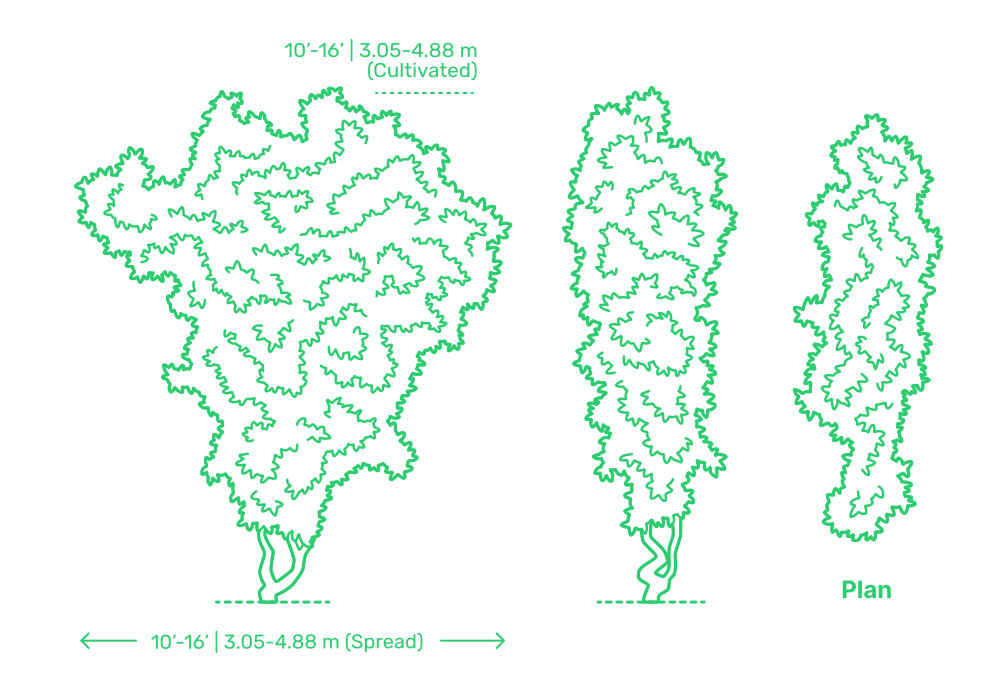
Common ivy (Hedera helix) in a climbing spread form develops as a broadly distributed vine covering a vertical surface in multiple directions. The stems branch extensively, producing a network of interconnected growth that attaches firmly through aerial rootlets. Leaves are lobed and arranged alternately, creating a dense and continuous evergreen layer.
Native to Europe and western Asia, Hedera helix thrives in shaded forests, rocky habitats, and urban environments. The species is notable for its aggressive surface coverage and ability to persist under low-light conditions. In this spread form, the plant emphasizes full surface occupation, forming a cohesive vegetative layer that reflects its ecological strategy of maximizing coverage and long-term stability.
Common Ivy (Climbing, Spread) has a typical cultivated height between 10’-16’ (3.05-4.88 m) and spread of 5’-12’ (1.52-3.66 m). The leaf length is between 2”-4” (5-10 cm).