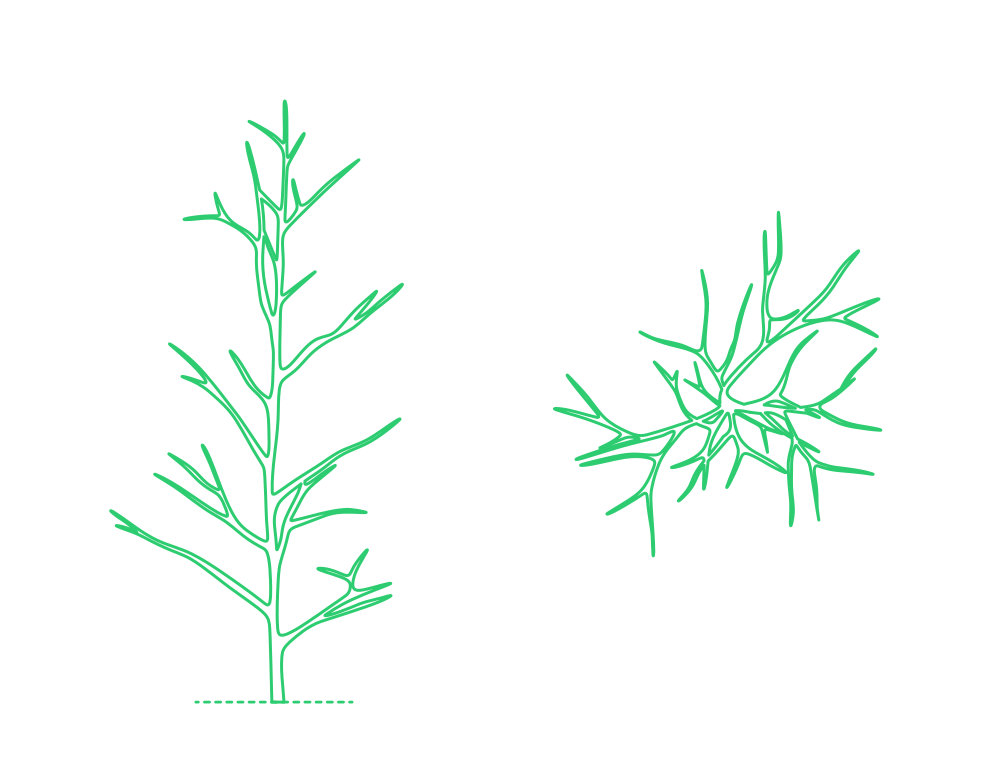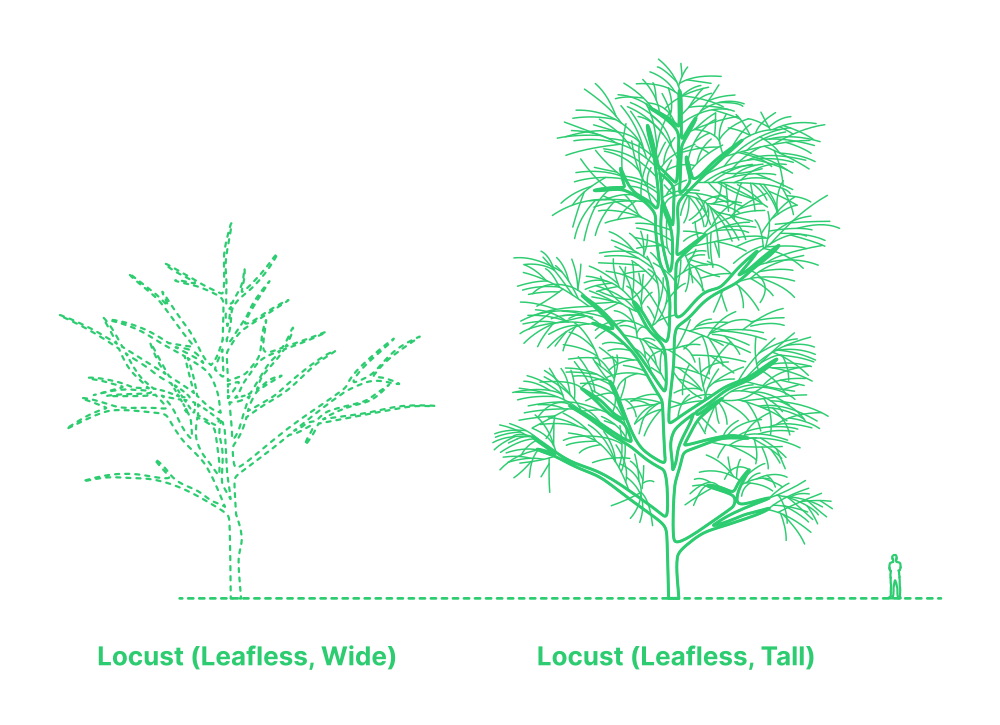
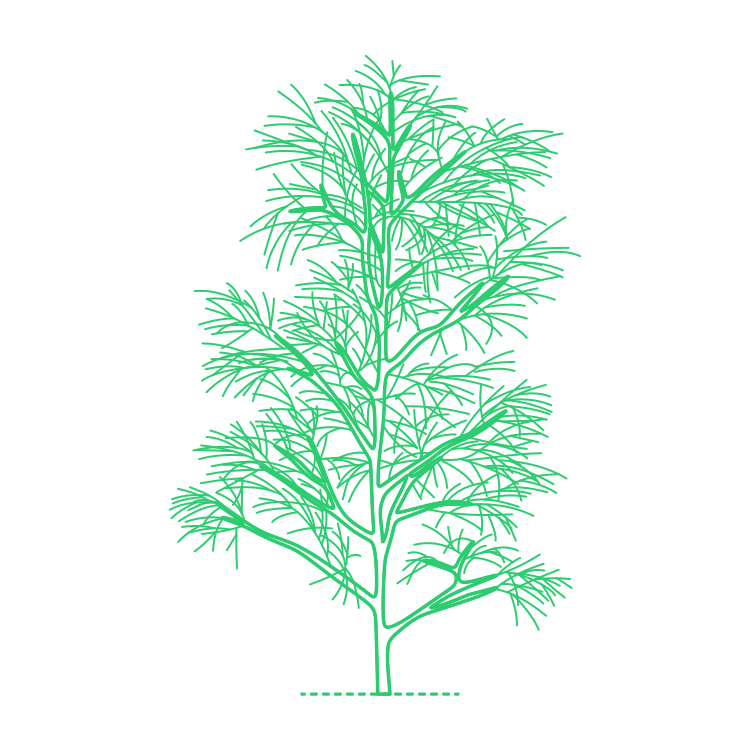
Tall leafless locusts of the genus Robinia are characterized by upright trunks and vertically oriented branching that produces a narrow, open crown. In dormancy, the tree’s elongated primary limbs and sharp branch angles become prominent, giving the structure a distinctly vertical emphasis. Secondary branches remain relatively sparse, resulting in a canopy with substantial open space between limbs.
Robinia species are well adapted to challenging conditions, including drought, compacted soils, and temperature extremes. Native primarily to eastern North America, the genus has spread widely due to its fast establishment and regenerative capacity. In leafless form, tall Robinia specimens reveal a growth strategy centered on height acquisition and efficient light access, supported by strong wood and rapid shoot development during favorable seasons.
Locust (Leafless, Tall) has a typical overall height between 40’-80’ (12.19-24.38 m) and spread diameter of 20’-50’ (6.1-15.24 m).
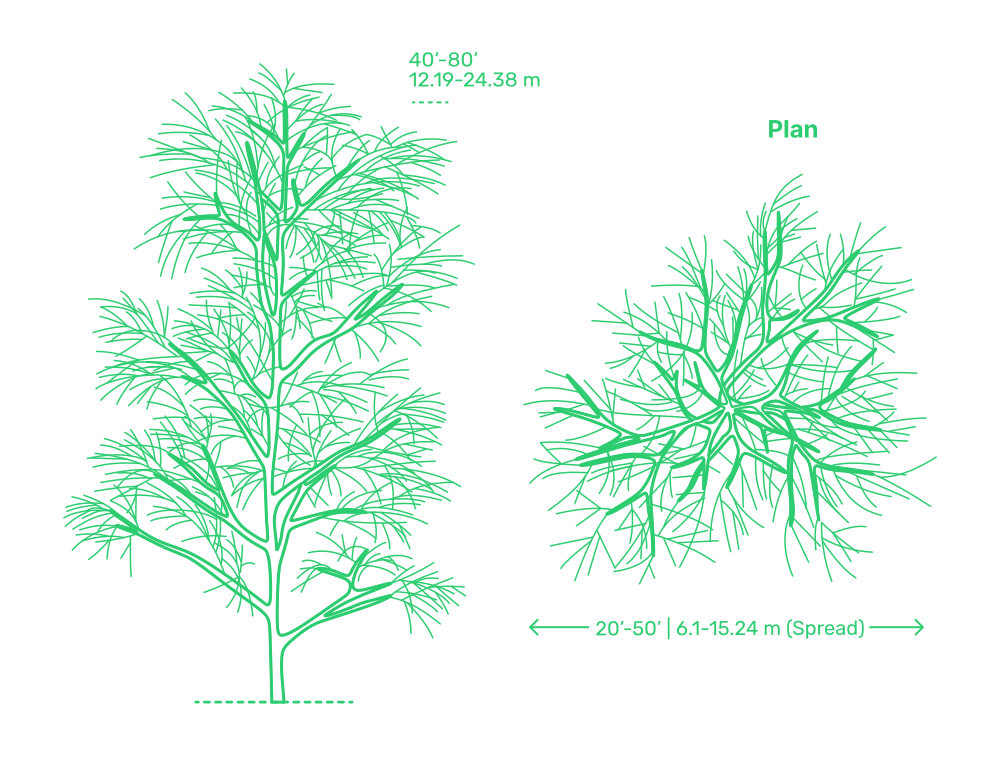
Tall leafless locusts of the genus Robinia are characterized by upright trunks and vertically oriented branching that produces a narrow, open crown. In dormancy, the tree’s elongated primary limbs and sharp branch angles become prominent, giving the structure a distinctly vertical emphasis. Secondary branches remain relatively sparse, resulting in a canopy with substantial open space between limbs.
Robinia species are well adapted to challenging conditions, including drought, compacted soils, and temperature extremes. Native primarily to eastern North America, the genus has spread widely due to its fast establishment and regenerative capacity. In leafless form, tall Robinia specimens reveal a growth strategy centered on height acquisition and efficient light access, supported by strong wood and rapid shoot development during favorable seasons.
Locust (Leafless, Tall) has a typical overall height between 40’-80’ (12.19-24.38 m) and spread diameter of 20’-50’ (6.1-15.24 m).