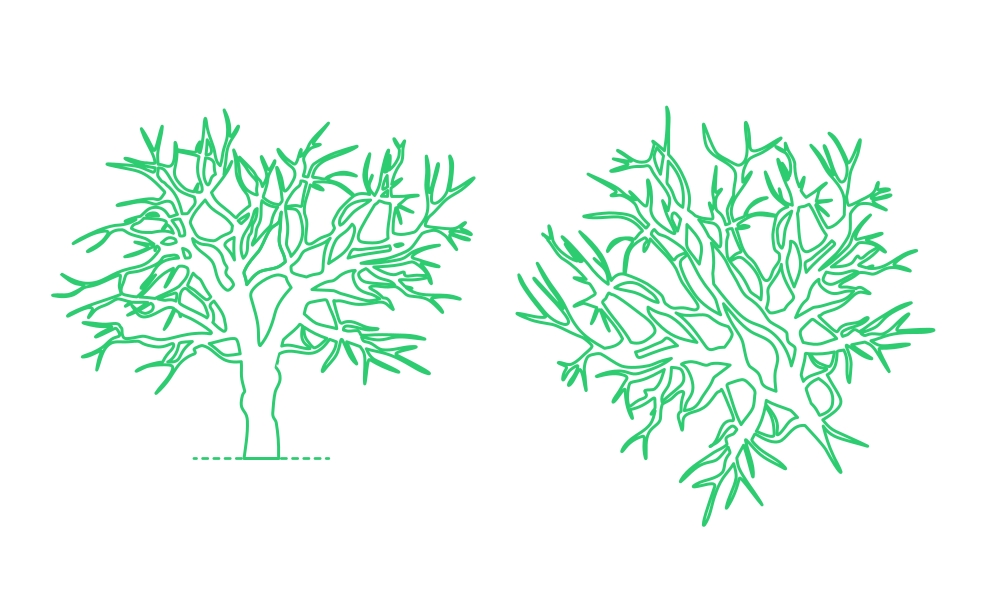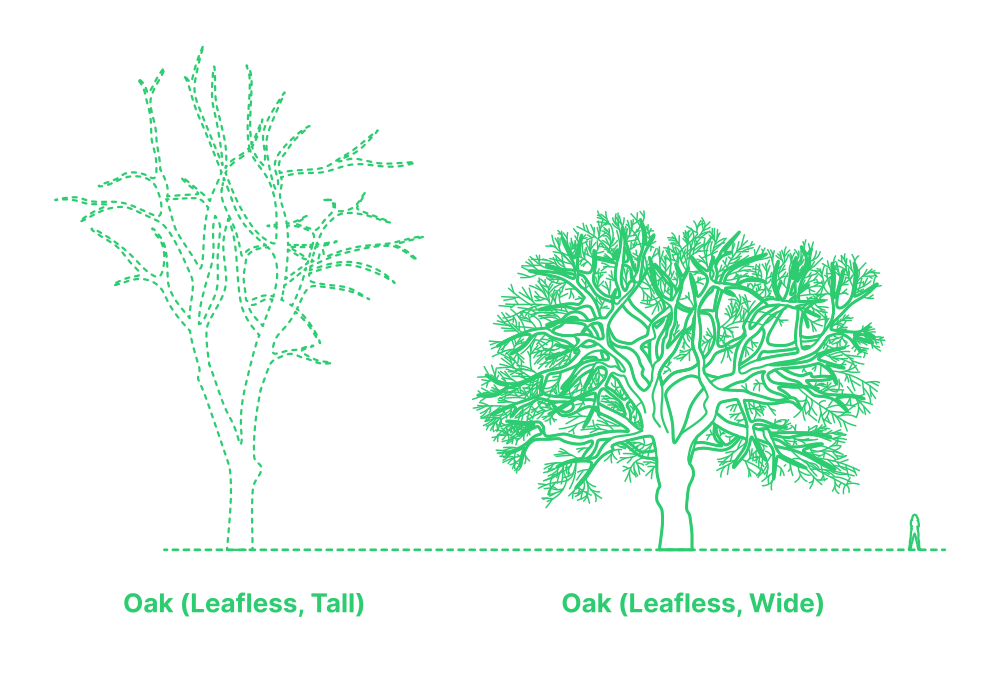
Wide leafless oaks of the genus Quercus are defined by expansive horizontal branching and broad crown development. In this form, the trunk supports massive limbs that extend outward at relatively low heights, producing a wide, sheltering structure even in dormancy. The absence of leaves exposes a dense network of overlapping branches, giving the crown a visually heavy and complex appearance. Oaks often develop this wide form in open environments where lateral growth is unrestricted over long periods.
The genus is ecologically significant, providing habitat and food resources for numerous organisms through its bark, wood, and acorns. In leafless condition, wide Quercus specimens highlight the genus’s investment in spatial occupation, structural redundancy, and long-term stability, traits that contribute to their role as keystone species in many temperate ecosystems.
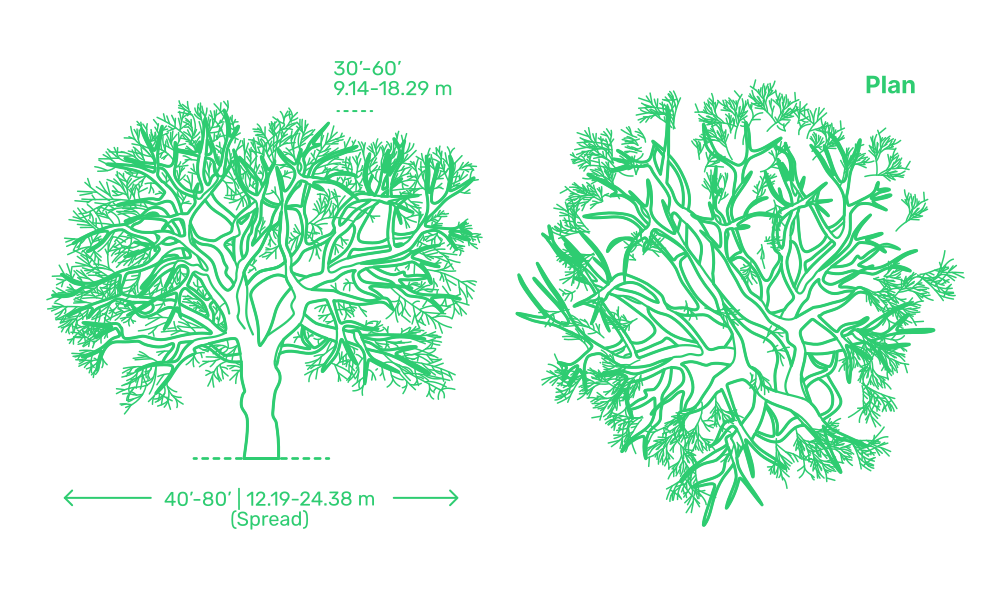
Oak (Leafless, Wide) has a typical overall height between 30’-60’ (9.14-18.29 m) and spread diameter of 40’-80’ (12.19-24.38 m).
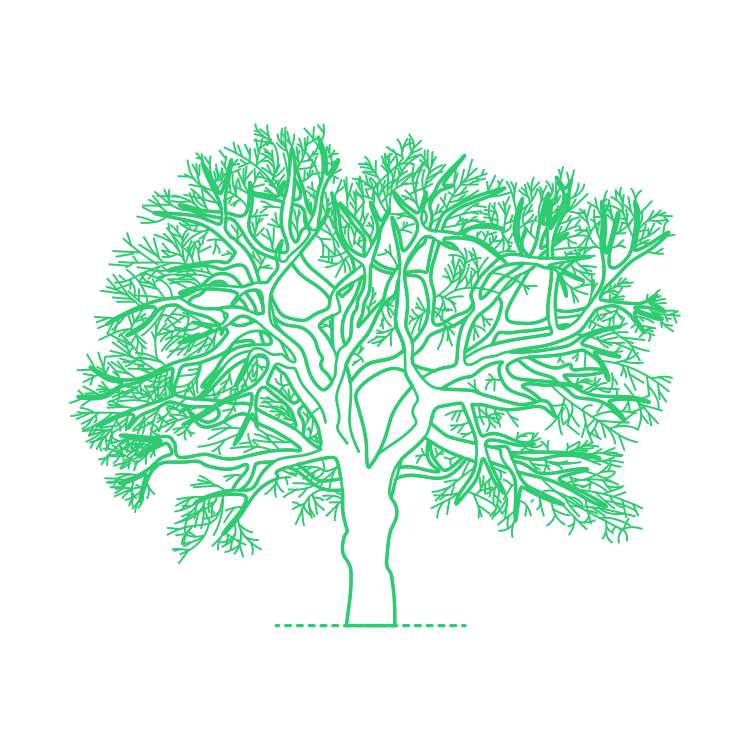
Wide leafless oaks of the genus Quercus are defined by expansive horizontal branching and broad crown development. In this form, the trunk supports massive limbs that extend outward at relatively low heights, producing a wide, sheltering structure even in dormancy. The absence of leaves exposes a dense network of overlapping branches, giving the crown a visually heavy and complex appearance. Oaks often develop this wide form in open environments where lateral growth is unrestricted over long periods.
The genus is ecologically significant, providing habitat and food resources for numerous organisms through its bark, wood, and acorns. In leafless condition, wide Quercus specimens highlight the genus’s investment in spatial occupation, structural redundancy, and long-term stability, traits that contribute to their role as keystone species in many temperate ecosystems.
Oak (Leafless, Wide) has a typical overall height between 30’-60’ (9.14-18.29 m) and spread diameter of 40’-80’ (12.19-24.38 m).