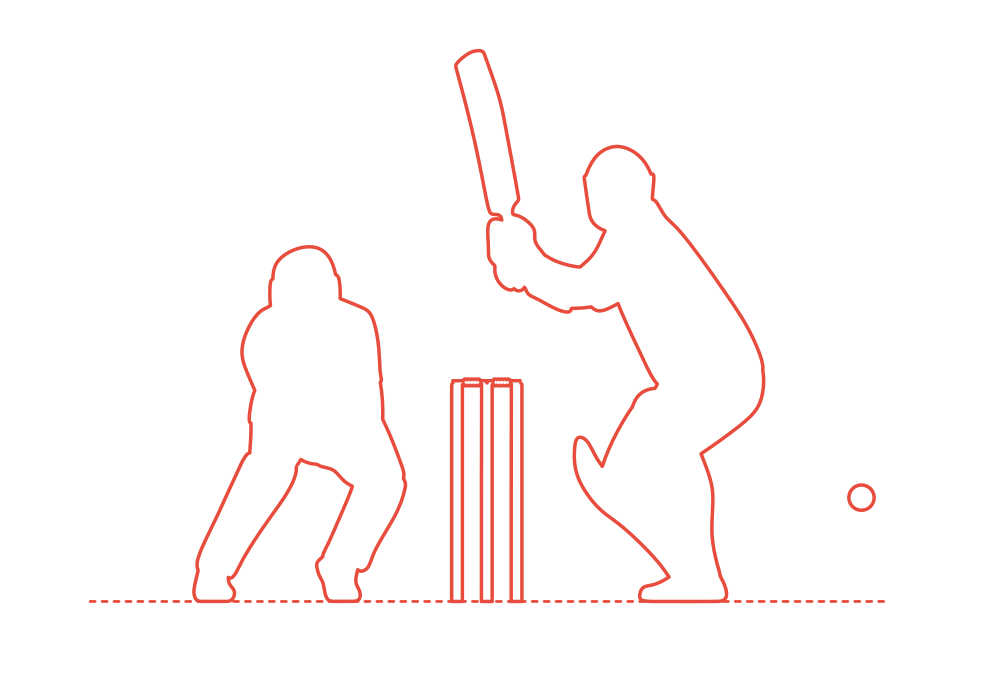

The Cricket Wicket refers to the three stumps composed of wood, secured into the ground and spaced such that a cricket ball would not pass through them. The stumps form the wicket with their top having two pieces of wood called bails. In a cricket game, two wickets opposite each other are planted at the center of the ground. The bowler attacks the stumps while a batsman defends. These three vertical posts hold the bails and are divided into off stump, middle stump, and leg stump. Stumping or being stumped or taking a wicket means to dismiss a batsman. Stumps can also be a term used to end the day's play.
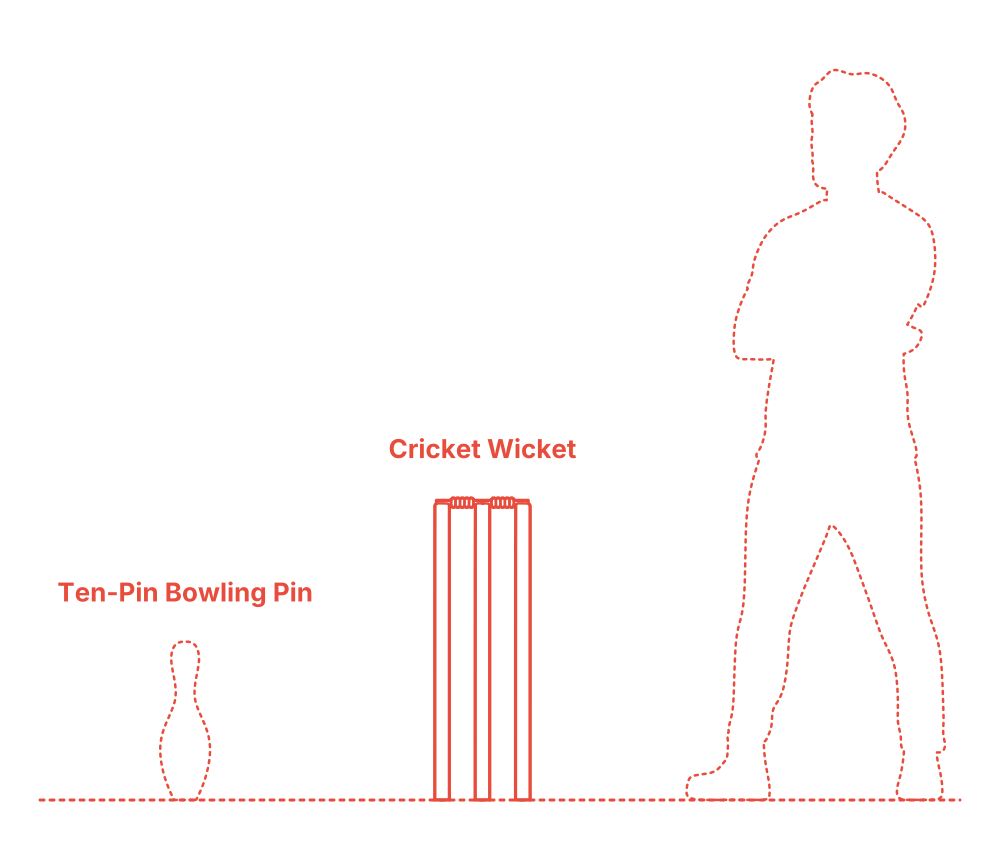
Cricket Wickets have a stump height of 28” (71.12 cm) and width of 9” (22.86 cm). The three stumps of the wicket have diameters between 1.375”-1.5” (34.9-38.1 mm). The pair of bails set on top of the stumps have lengths of 4.375” (111.13 mm) with a maximum height above the stump of .5” (12.7 mm).

The Cricket Wicket refers to the three stumps composed of wood, secured into the ground and spaced such that a cricket ball would not pass through them. The stumps form the wicket with their top having two pieces of wood called bails. In a cricket game, two wickets opposite each other are planted at the center of the ground. The bowler attacks the stumps while a batsman defends. These three vertical posts hold the bails and are divided into off stump, middle stump, and leg stump. Stumping or being stumped or taking a wicket means to dismiss a batsman. Stumps can also be a term used to end the day's play.
Cricket Wickets have a stump height of 28” (71.12 cm) and width of 9” (22.86 cm). The three stumps of the wicket have diameters between 1.375”-1.5” (34.9-38.1 mm). The pair of bails set on top of the stumps have lengths of 4.375” (111.13 mm) with a maximum height above the stump of .5” (12.7 mm).