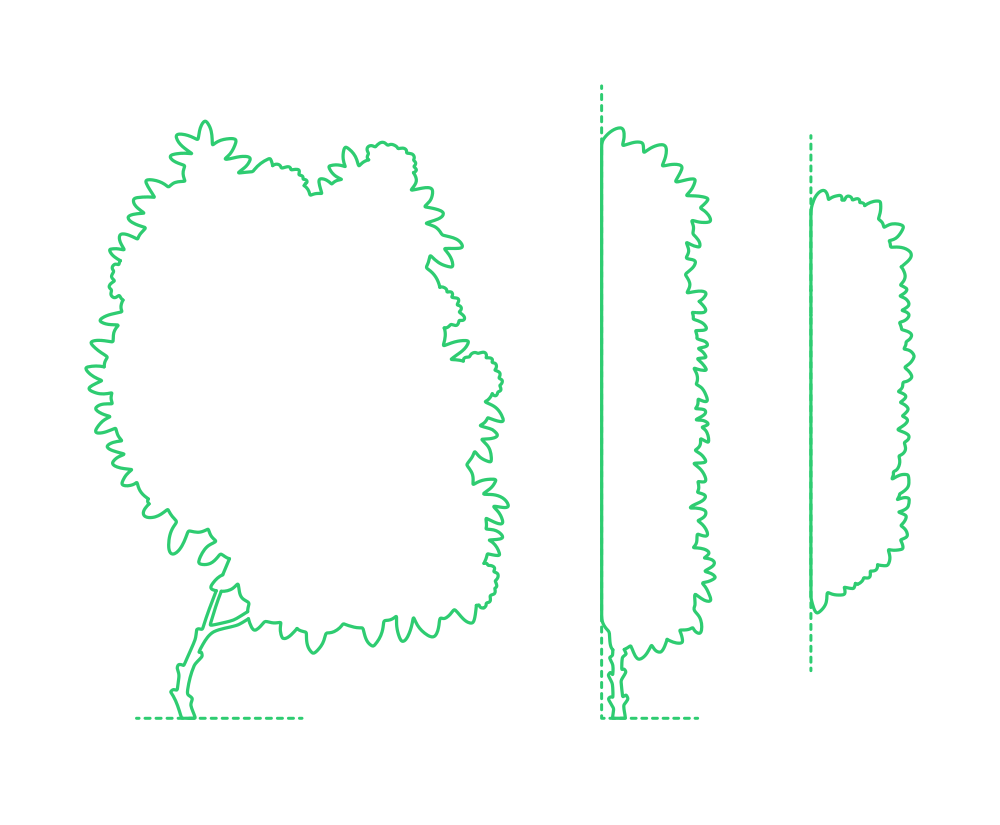
Climbing Hydrangea (Medium) (Hydrangea anomala)
Climbing Hydrangea (Medium) (Hydrangea anomala)
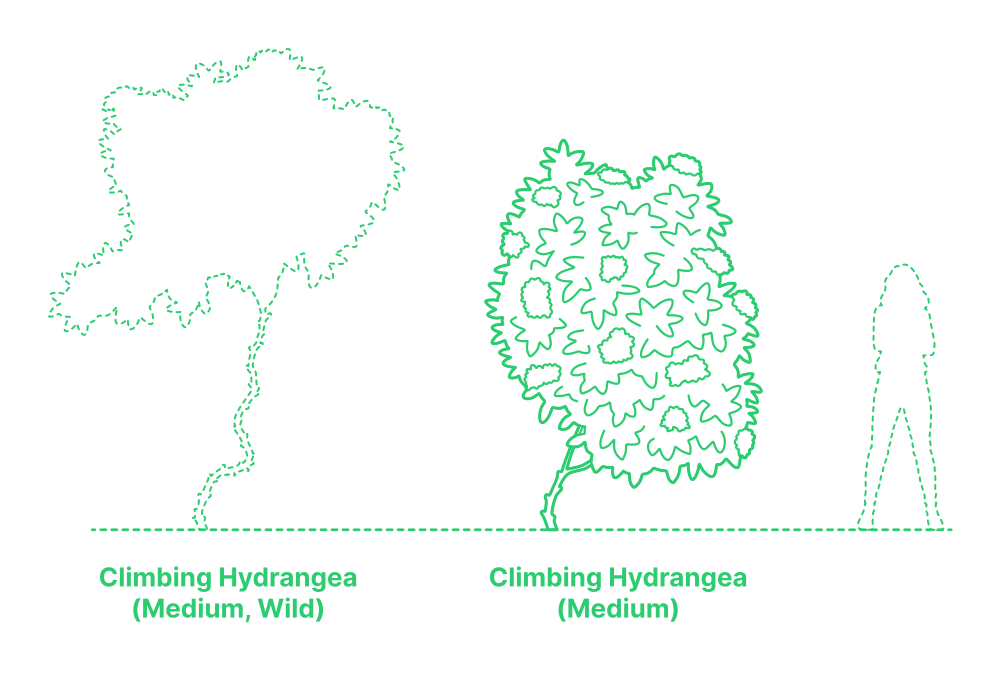
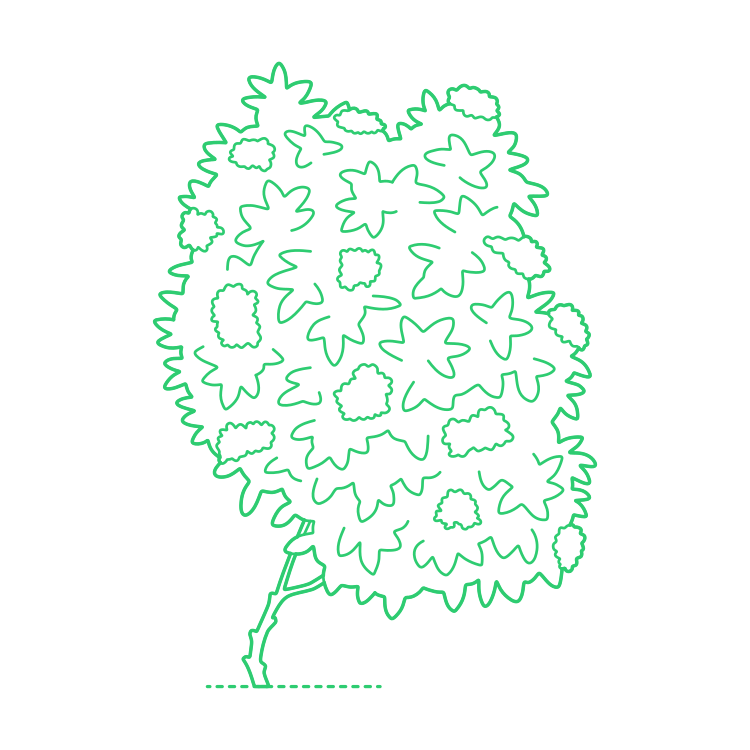
Climbing hydrangea (Hydrangea anomala) in a medium form presents as a developing woody vine with moderately thick stems and a balanced distribution of foliage along its climbing structure. The leaves are oval and textured, arranged in opposite pairs, forming a consistent canopy that follows the direction of growth. The vine adheres to surfaces through aerial rootlets, which anchor the stems as they extend upward or outward.
Seasonal flowering produces flattened clusters of small blooms, contributing to the plant’s visual character. Native to temperate regions of East Asia, Hydrangea anomala grows naturally along forest edges, climbing trees and rocky surfaces in shaded or partially shaded conditions. Biologically, it is adapted to gradual establishment, with increasing structural strength over time. In medium form, the plant highlights steady climbing growth, moderate canopy density, and the characteristic surface attachment that defines the species.
Climbing Hydrangea (Medium) has a typical cultivated vine length/height between 5’-8’ (1.52-2.44 m) and spread of 4’-6’ (1.22-1.83 m). The leaf length is between 2”-5” (5-13 cm).
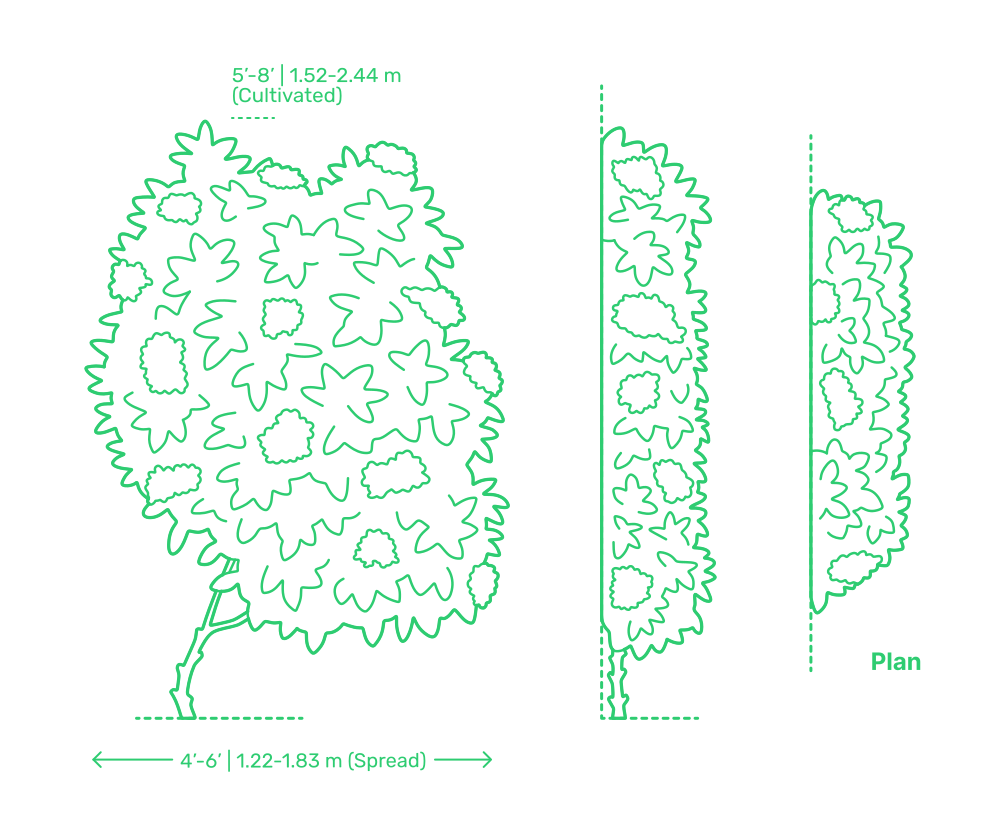
Climbing hydrangea (Hydrangea anomala) in a medium form presents as a developing woody vine with moderately thick stems and a balanced distribution of foliage along its climbing structure. The leaves are oval and textured, arranged in opposite pairs, forming a consistent canopy that follows the direction of growth. The vine adheres to surfaces through aerial rootlets, which anchor the stems as they extend upward or outward.
Seasonal flowering produces flattened clusters of small blooms, contributing to the plant’s visual character. Native to temperate regions of East Asia, Hydrangea anomala grows naturally along forest edges, climbing trees and rocky surfaces in shaded or partially shaded conditions. Biologically, it is adapted to gradual establishment, with increasing structural strength over time. In medium form, the plant highlights steady climbing growth, moderate canopy density, and the characteristic surface attachment that defines the species.
Climbing Hydrangea (Medium) has a typical cultivated vine length/height between 5’-8’ (1.52-2.44 m) and spread of 4’-6’ (1.22-1.83 m). The leaf length is between 2”-5” (5-13 cm).